
Regular price




When Scandinavia Heats Up: A Look Back at Swedish Summers & Heatwaves
If you've stepped outside this week, you've probably noticed it Scandinavia is experiencing an early summer heatwave. Across Sweden and much of Northern Europe, temperatures have climbed well above seasonal averages, with meteorologists issuing heat warnings in several regions. For many, it's the perfect excuse to head to the beach, cool off in a lake, or enjoy an iced drink in the garden.
But it also raises an interesting question:
Have Swedish summers always been this warm?
For many of us, childhood memories make it feel as though every summer was filled with sunshine. We remember endless evenings, the scent of freshly cut grass, the sound of birds late into the night, and tables overflowing with fresh strawberries and cold lemonade. Yet history tells a slightly different story.
Swedish summers have always been cherished not because they were consistently hot, but because truly warm days were relatively rare.
Before air conditioning, before supermarkets stocked every fruit year-round, and before iced coffees became a daily ritual, Scandinavians eagerly awaited those precious sunny weeks. Families would spend every possible moment outdoors, children swam in lakes until sunset, and gardens became the center of everyday life.
There was no need for extravagant vacations when nature offered everything.
People picked strawberries directly from local farms, gathered blueberries and raspberries from nearby forests, brewed homemade elderflower cordial, and enjoyed simple meals featuring freshly harvested potatoes, dill, cucumbers, and crisp salads.
The arrival of warm weather wasn't taken for granted it was celebrated.
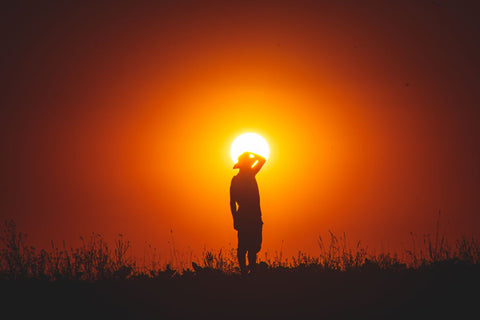
While Sweden has always experienced occasional hot summers, today's climate is noticeably different.
According to the Swedish Meteorological and Hydrological Institute (SMHI), Sweden's average temperature has increased by nearly 2°C since the late 19th century almost twice the global average increase.
Even more striking, almost every year since 1988 has been warmer than the historical average, showing a clear warming trend rather than isolated warm years.
Researchers studying Sweden's climate have also found that:
What once felt exceptional is slowly becoming more common.
The unusually hot weather we've experienced this week isn't simply a lucky stretch of sunshine.
Across much of Scandinavia and Northern Europe, temperatures have climbed well above what is typical for late June. Cities across Sweden have experienced several consecutive days of unusually high temperatures, continuing a pattern scientists have observed for decades.
Climate researchers explain that while weather naturally changes from year to year, human-driven climate change is making heatwaves occur more often and with greater intensity.
The Intergovernmental Panel on Climate Change (IPCC) also concludes that Northern Europe will continue warming faster than many regions of the world, with hot extremes becoming increasingly common throughout this century.
In other words, summers that once felt extraordinary may soon become the new normal.

The sweeping rise in Scandinavian temperatures is overwhelmingly linked to greenhouse-gas increases. As IPCC scientists note, European regions (especially northern Europe) are warming faster than the global average, and heat extremes have “increased in recent decades and are projected to continue increasing” even under moderate warming scenarios. In Sweden the observed warming (~2 °C since 1900) has outpaced the global mean (~1 °C). This is partly due to factors like Arctic amplification and circulation changes, but fundamentally it’s the rising CO₂ and other gases trapping more heat.
Current climate models and regional studies project continued summer warming. SMHI’s projections show every season warming, with Nordic winters warming most, but notably summer also getting several degrees hotter. By 2100 the Swedish climate is expected to be 2–6 °C warmer than 1961–90, with the range depending on future emissions. Even at moderate warming levels, the frequency of very hot days (30°C+) is expected to skyrocket. The IPCC warns that key European risks – heat-related illness, drought-stressed crops, and wildfire – will intensify dramatically if warming exceeds 1.5–2 °C. In short, we’ve entered a new climate regime: summers like the balmy 1930s (a prior warm era) are being supplanted by summers far hotter than any in living memory.
Warm days have long shaped Swedish summer culture and cuisine. Midsummer and “kräftskiva” (crayfish parties) feature seasonal, locally harvested foods and drinks that evoke the Swedish summer. Typical table fare includes new potatoes with fresh dill, pickled herring (sill), gravadlax (cured salmon), and crispbread. A simple smörgåsbord of cold salads and cheeses rounds out the meal. Summer berries are ubiquitous: picking wild cloudberries for jam and pancakes, gathering blueberries (blåbär) and lingonberries (lingon) under the right of public access (Allemansrätten), and enjoying baked goods studded with them. For example, cloudberry jam on pancake and lingonberry jam with meatballs are classic treats. Fresh vegetables – cucumber, radish, lettuce – are eaten in light salads or as toppings on open sandwiches.
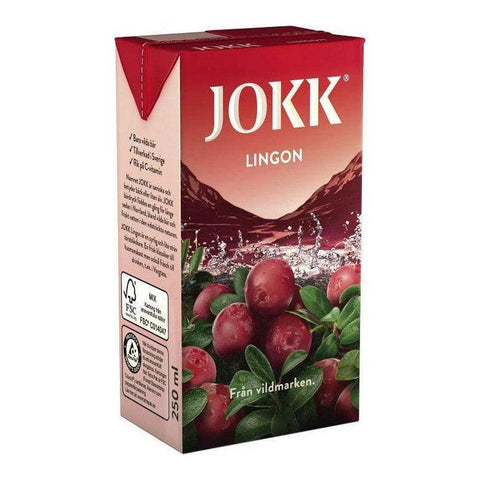
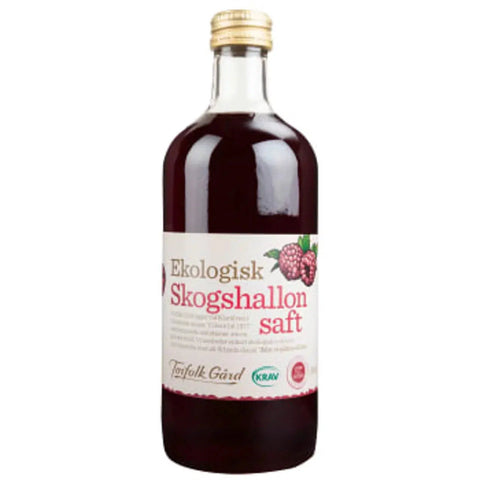
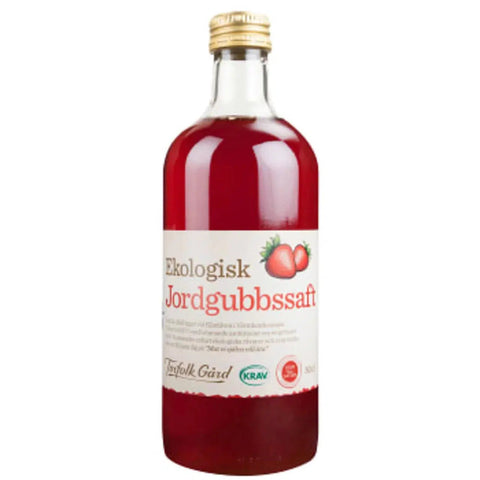
Refreshing cold drinks feature heavily. Elderflower cordial and carbonated flädersaft are iconic (elderflower-flavored schnapps is also traditional). Flavored aquavit (“schnapps” with dill, caraway or elderflower) and chilled beers or crisp white wines accompany meals. Sweet summer endings often include strawberries with whipped cream or strawberry cakes – a ritual so ingrained that Swedes consider it inconceivable to omit them at a summer festivity. And on lazy afternoons, many Swedes enjoy fika outdoors with cold brew coffee or flavored soft drinks alongside crispbread sandwiches and pastries.
Summer Foods & Drinks (examples):
Summer evenings often see Swedes lingering outside until late, enjoying the light. Barbecues and picnics increase with heat, and the season’s produce – asparagus, tomatoes, cucumbers – supplement menus. In recent years, ice-cream stands and café outdoor seating fill neighbourhoods, capitalizing on warm days. Midsummer celebrations themselves (with dancing around the maypole and clinking schnapps glasses) have become even sunnier events as the climate warms.
The data are clear: Sweden’s summers are warming, heatwaves are intensifying, and our climate is changing in ways unprecedented over the last century. Yet our cultural response can be positive and sustainable. By embracing local, seasonal foods and traditional cold refreshments, we not only honor the Swedish summer spirit but also reduce environmental impact. For example, picking wild berries and foraging for elderflowers (or buying local produce) lowers the carbon footprint of our cuisine. Focusing on plant-forward dishes (root vegetables, grain salads, light fish dishes) takes advantage of summer harvests and uses less energy than heavy cooking. Composting kitchen scraps and using reusable drinkware help minimize waste during picnics and barbecues.
Whether it’s sipping iced lingonberry lemonade by the lake, grilling veggies with friends, or sharing a cool berry tart on the porch, warm days can still bring joy. The key is to adapt: for example, swap sugary sodas for cucumber-mint water or iced herbal teas, and dine al fresco with an eye to local organic produce. Follow weather alerts on extreme heat (e.g. SMHI heat warnings) and ensure adequate hydration and shade. In short, cherish the long sunlit days with the flavors of summer – dill-hungling herring, lilac-scented schnapps, and sun-ripened strawberries – but do so mindfully. By linking our climate knowledge to traditional practices, we keep Swedish summers both nostalgic and resilient, savoring each warm day while caring for our environment.