

We are on Trustpilot
We are rated Excellent, read what our customers are saying
The Mouthfeel
When we reminisce about our favorite treats, we often speak of flavor, yet it is texture the audible snap, the prolonged chew, or the luxurious melt that quietly dictates what we truly crave. Mouthfeel elevates texture from a secondary sensation to the primary way we navigate food, organizing items not by ingredients or grocery aisles, but by physical resistance, sound, and oral mechanics. From the sharp acoustic shatter of traditional Swedish crispbread to the comforting surrender of warm butter on fresh bread, shopping by mouthfeel honors the tactile experience of eating. It transforms every bite into a tactile discovery, celebrating how food interacts with our teeth, tongue, and palate long before flavor even takes center stage.


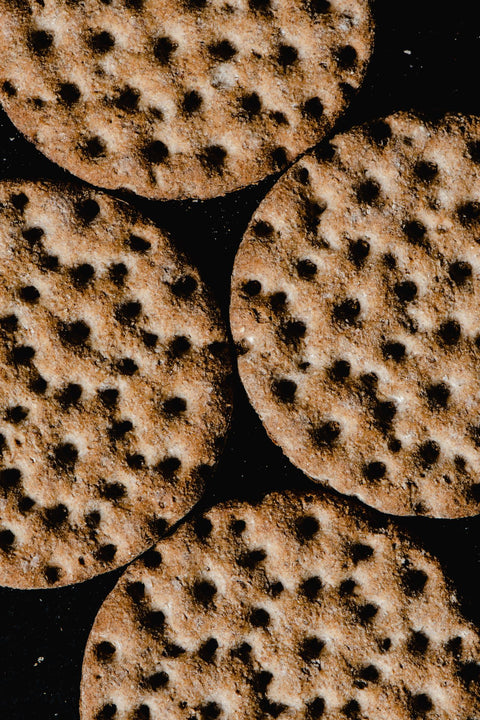
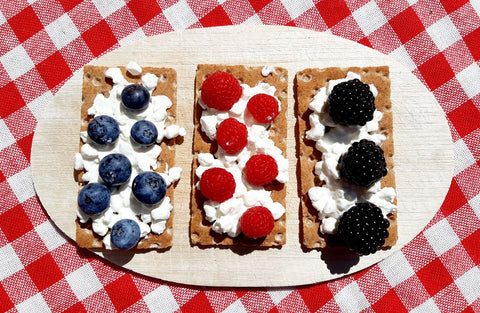
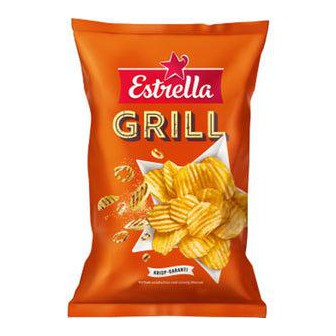
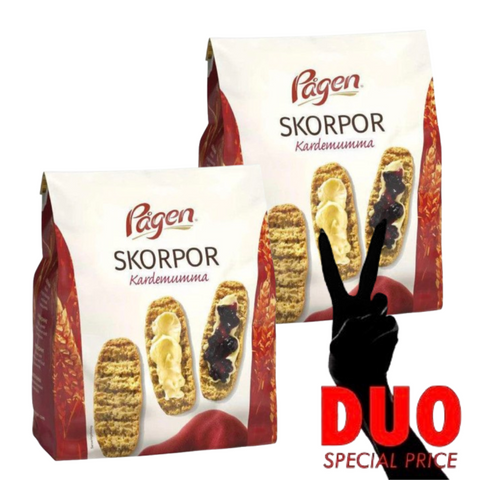
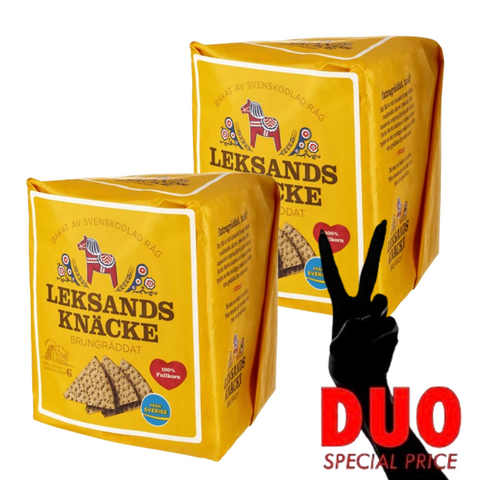
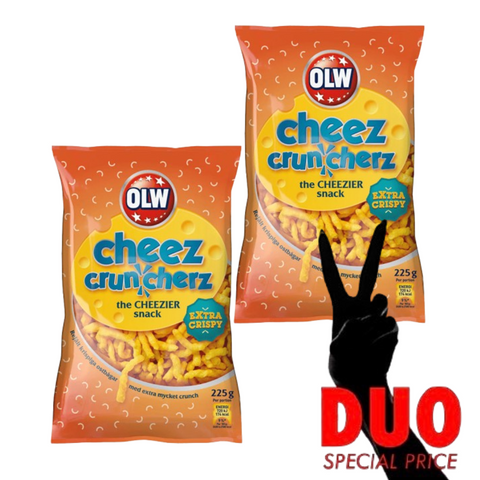
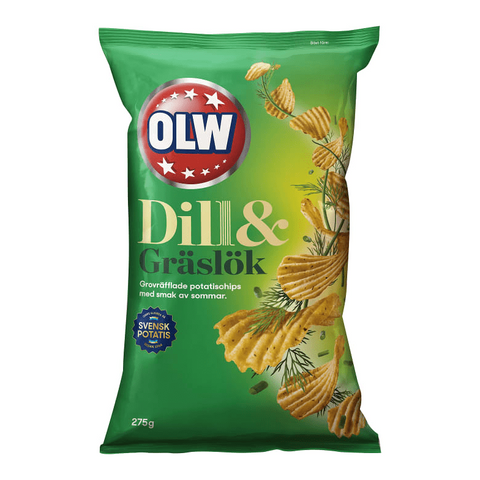
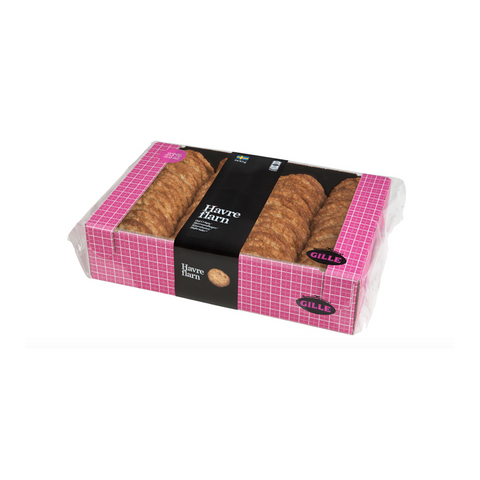
Crunch is an acoustic and physical statement a clean, brittle fracture that reverberates through the jaw. It demands attention with every bite, whether found in delicate Swedish knäckebröd, golden potato crisps, or baked hard biscuits that refuse to yield easily without a fight.
Interesting Fact: In Sweden, knäckebröd (crispbread) has been baked since the 6th century. Traditionally baked with a round hole in the center so it could be threaded onto wooden poles and hung from rafters to dry for winter, its clean, hard crunch was historically the sound of seasonal survival.
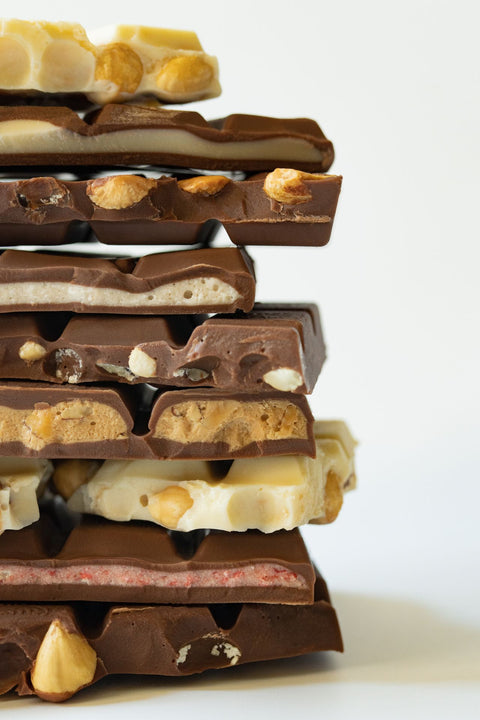
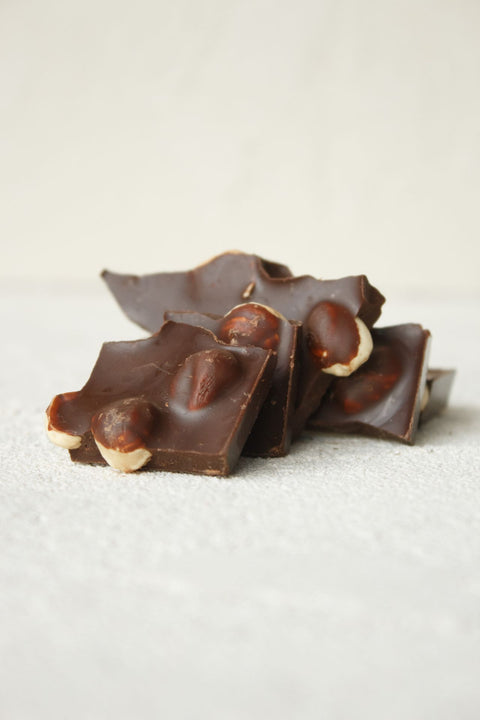
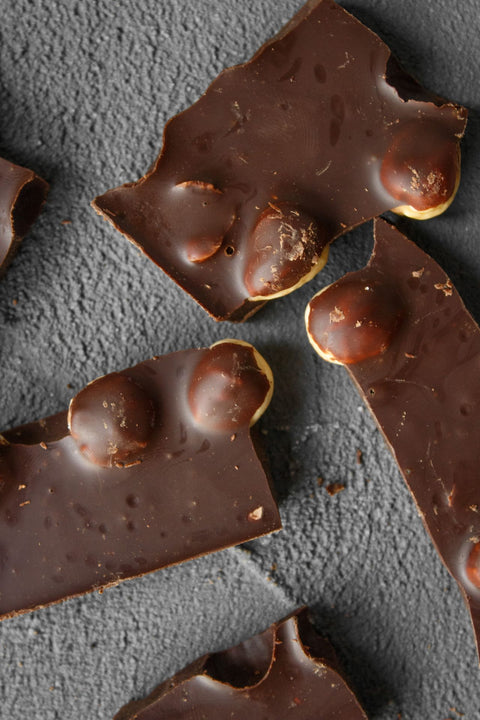
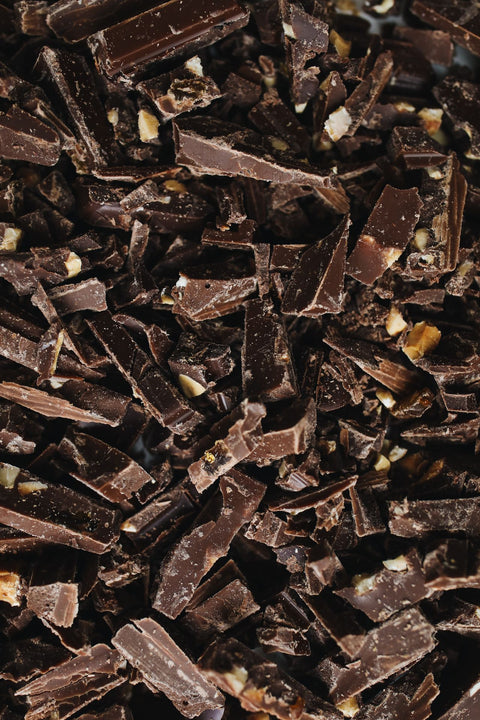
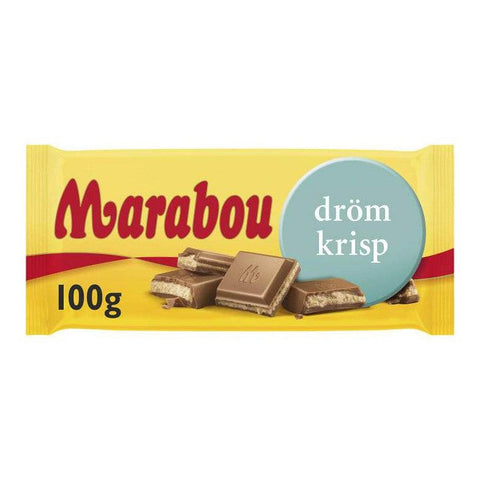
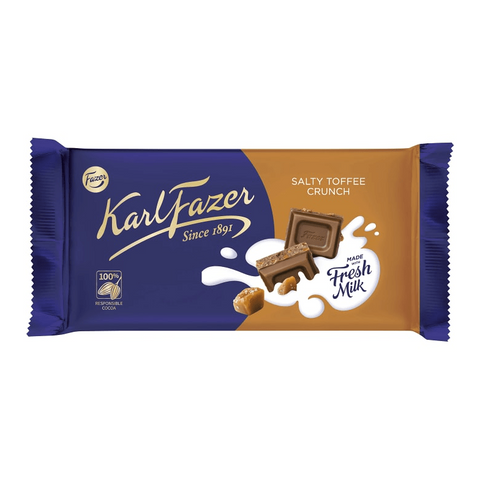
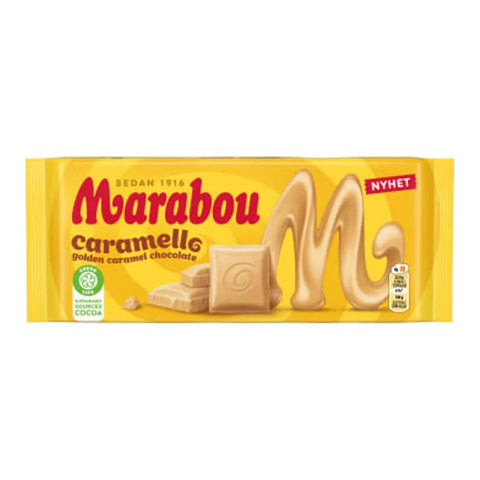
Shorter, sharper, and more immediate than a crunch, a snap is a clean, single-point fracture. It is the hallmark of perfectly tempered chocolate breaking cleanly along precise crystalline lines or a hard-boiled sweet giving way under the pressure of a single tooth.
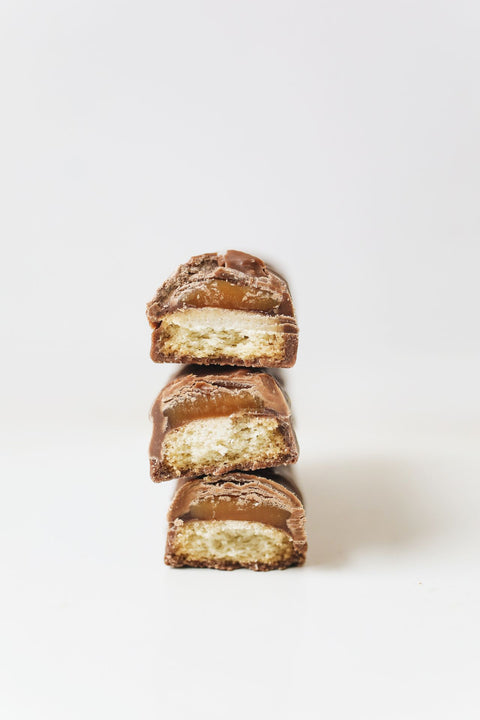
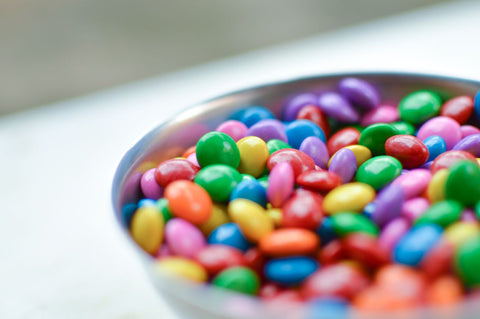
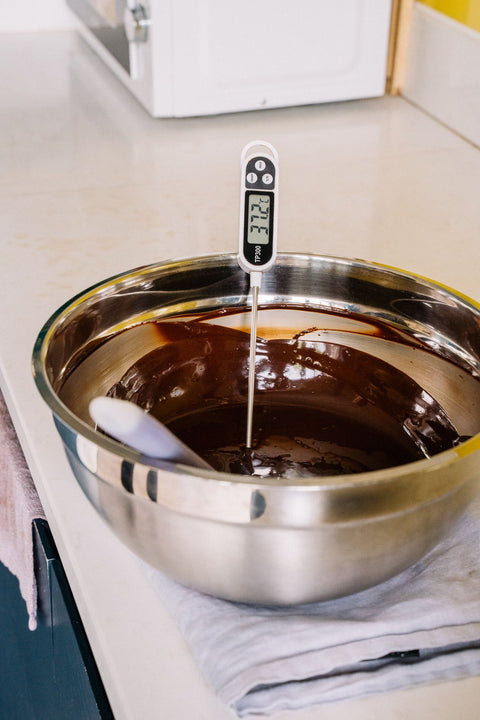
Good to Know: The distinct "snap" of high-quality chocolate is created by Form V cocoa butter crystals, which only form when chocolate is tempered precisely between 28°C and 32°C. If chocolate melts and resolves untempered, it loses its structural snap and turns dull and soft.
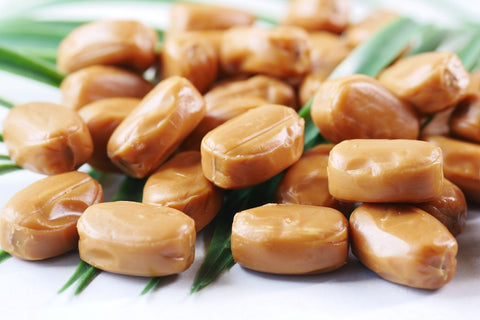
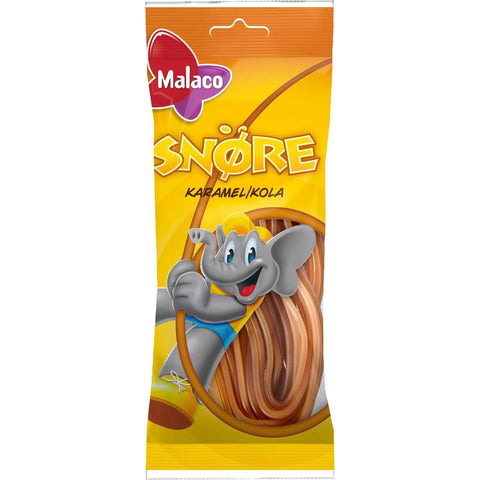
Chew requires dedication and rewards patience, turning eating into a lingering ritual. Found in dense caramels, firm wine gums, and sturdy liquorice, this texture forces you to slow down and let the jaw work, stretching the release of flavor across minutes rather than seconds.
Interesting Fact: Traditional Swedish salty liquorice (salmiak) uses gum arabic or specialized starch bases for a denser, longer-lasting chew that can withstand high concentrations of ammonium chloride salt without dissolving too quickly.
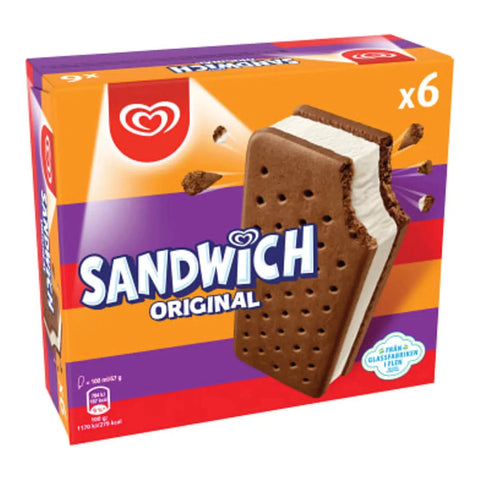
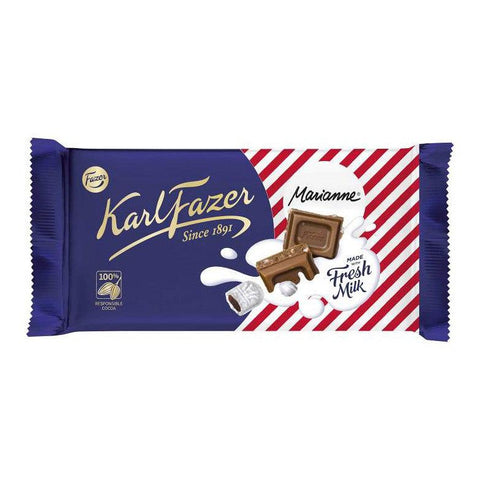
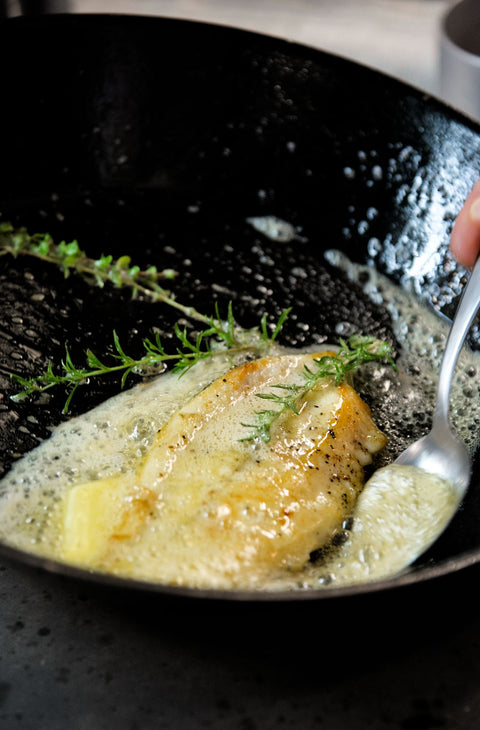
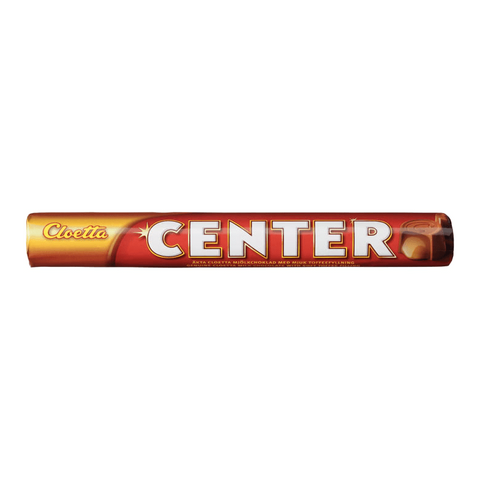
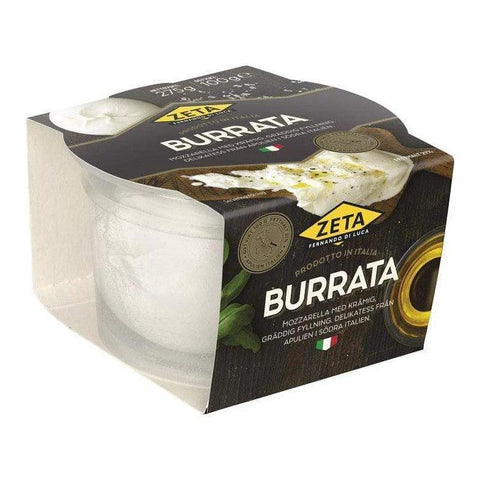
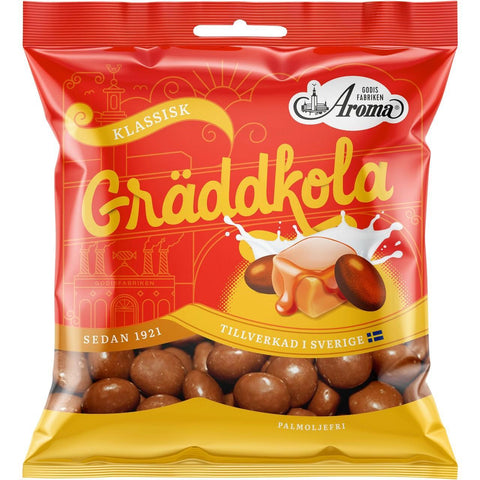
Melt is pure comfort a texture that surrenders effortlessly at body temperature without requiring any work from your teeth. It is the velvety transition of rich chocolate coating the tongue, soft artisanal cheese, silky ice cream, or a generous pat of butter dissolving into hot, fresh bread.
Good to Know: Cocoa butter is one of the few natural fats that remains completely solid at room temperature (around 20°C) but melts rapidly and completely at human body temperature (37°C), creating that signature instant liquid transformation in the mouth.
Creamy textures are thick, cool, and luxurious, moving sluggishly off the spoon and coating the palate smoothly. From traditional Swedish filmjölk and velvety yoghurt to cloud-like whipped toppings and rich reductions, creaminess provides a soothing tactile base that tempers sharper flavors.
Interesting Fact: Swedish filmjölk gets its unique thick, pourable, silky creaminess from specific mesophilic bacteria strains (Lactococcus lactis) that ferment milk at cool room temperatures, creating a smooth viscosity distinct from Mediterranean or Balkan yoghurts.
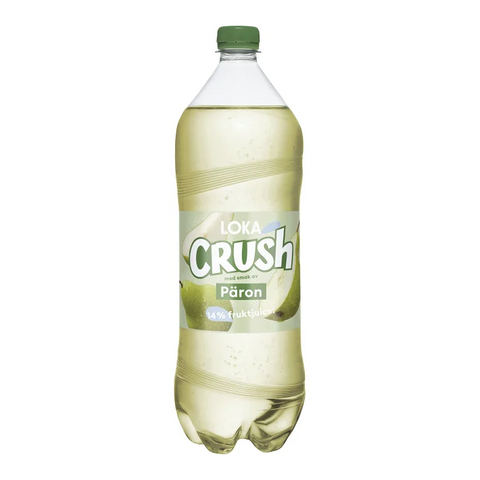
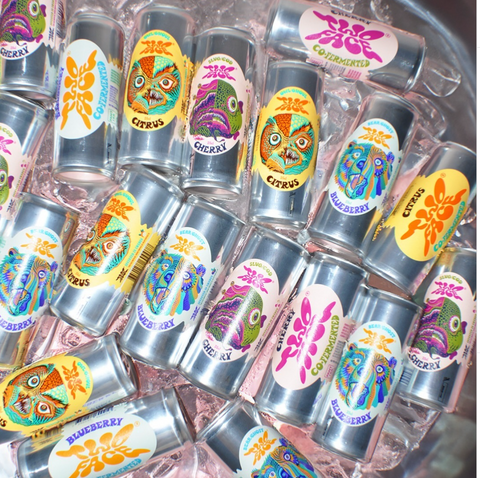
Fizz is an energetic texture that tickles the tongue with micro-bursts of movement. Found in effervescent carbonation, tingling sherbet powders, and sparkling sodas, it creates a refreshing, light prickle that cleanses the palate with every tiny popping sensation.
Good to Know: The "sting" of carbonation isn't just physical bubbles popping it's actually a mild chemical tactile sensation. Dissolved carbon dioxide triggers the tongue's pain and cold receptors (TRPA1), creating that sharp fizzy bite.
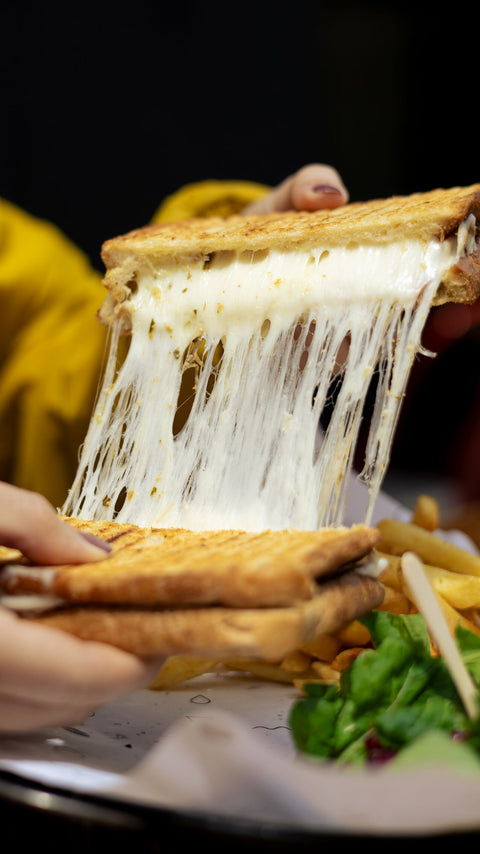
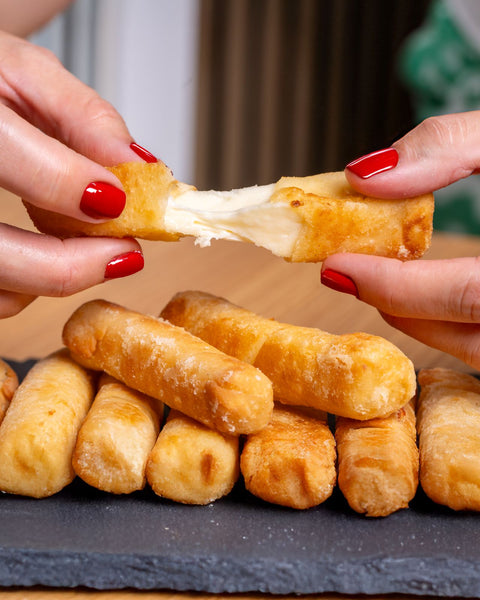
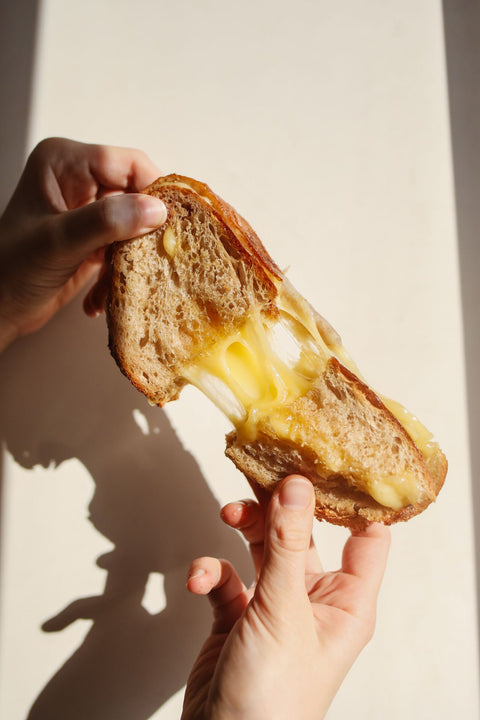
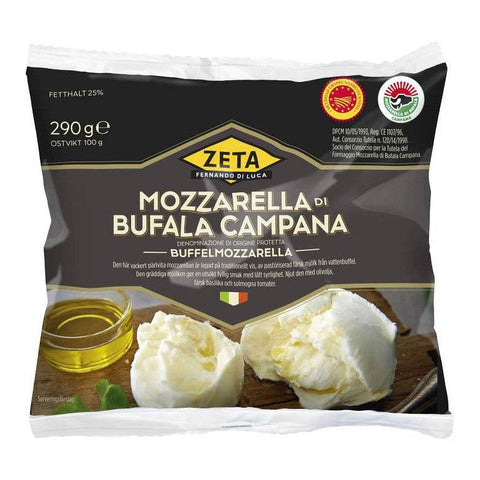
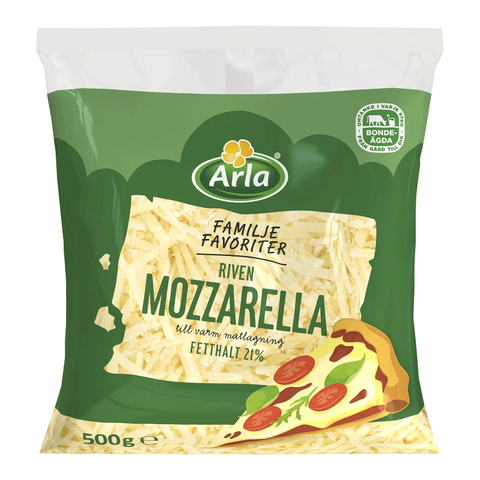
Pull is defined by elasticity, tension, and a slow, satisfying give. It is the visual and tactile drama of molten cheese stretching in long threads, gooey soft caramel yielding under tension, or warm, rustic bread being torn open by hand rather than sliced.
Good to Know: The dramatic "cheese pull" comes from casein protein networks that relax and stretch when heated without breaking down entirely. Cheeses aged just right balance moisture and fat to maximize this elastic stretch.