

We are on Trustpilot
We are rated Excellent, read what our customers are saying
Smakskolan
While conventional shops categorize food by rigid departments like dairy, produce, or baked goods, Smakskolan (The Flavour School) completely reimagines the culinary experience by organizing items strictly by what they do to the human tongue. Rooted in Swedish traditions and northern landscapes, this palate-driven philosophy invites eaters to follow single sensory pathways across unexpected boundaries connecting sweet bakes, wild botanicals, coastal preserves, and deep fermentations through shared taste profiles. By prioritizing how a flavor behaves whether it tingles, puckers, warms, or lingers it bypasses traditional cataloging to reveal a curated tapestry of Scandinavian foodways. It celebrates patience, wild foraging, ancient preservation methods, bold spiciness, and the unapologetic intensity that defines northern gastronomy, turning every bite into an immersive lesson in pure flavor.
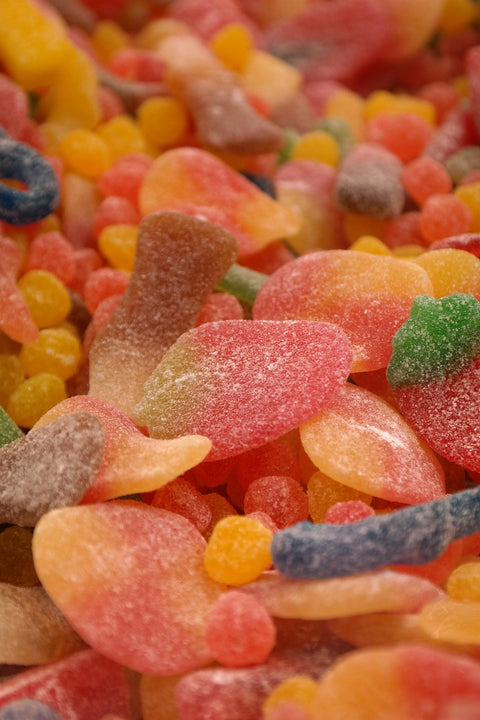
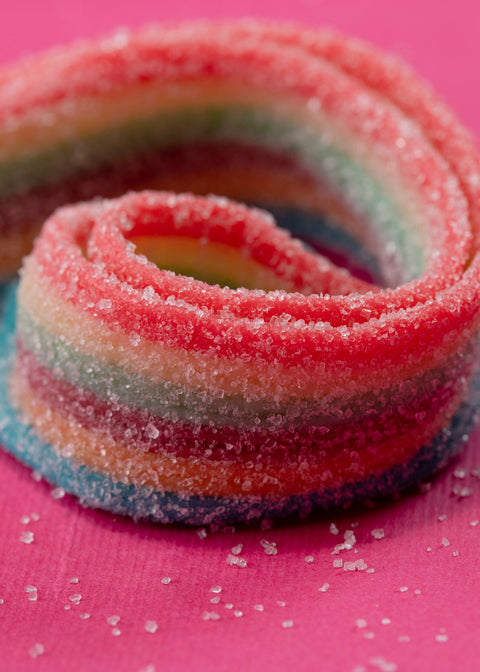
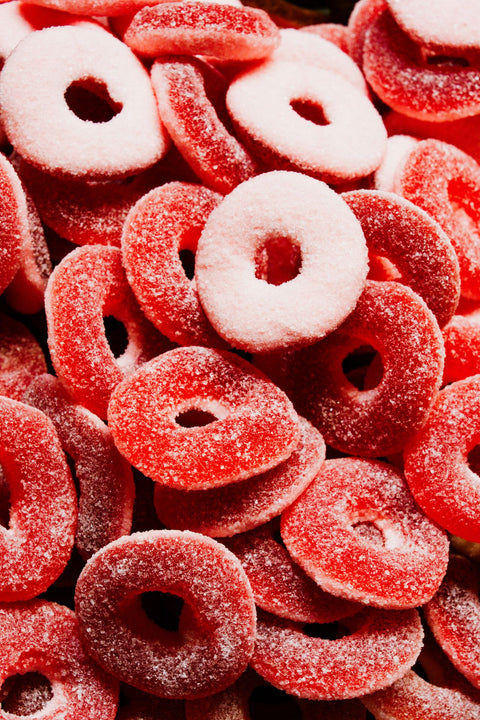
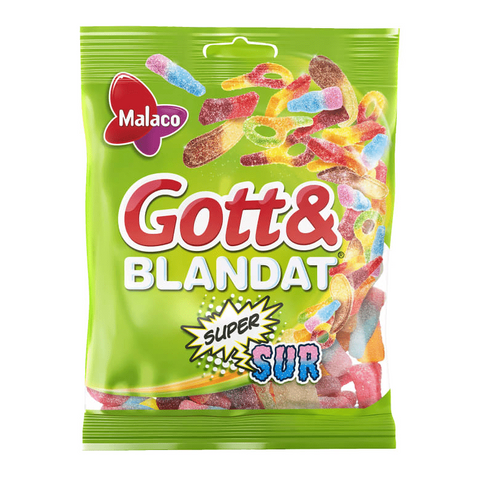
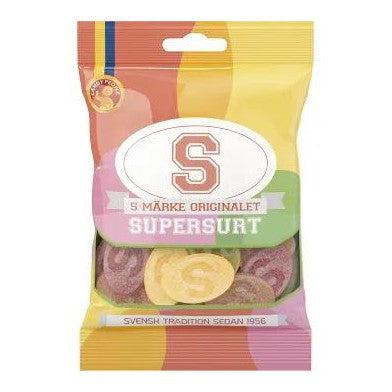
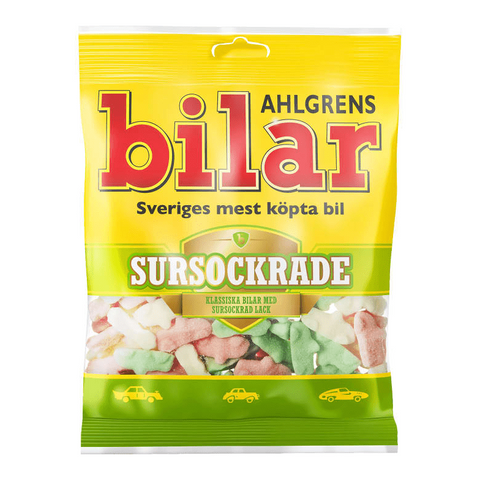
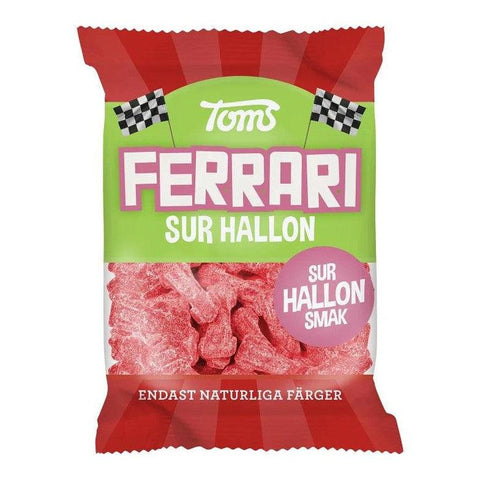
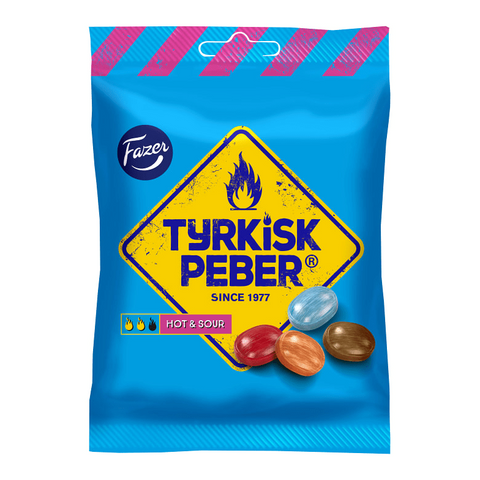
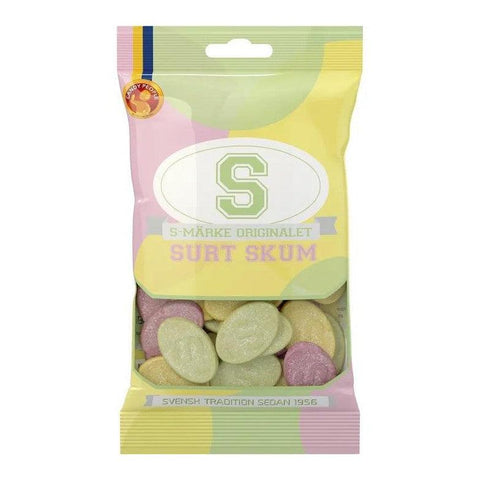
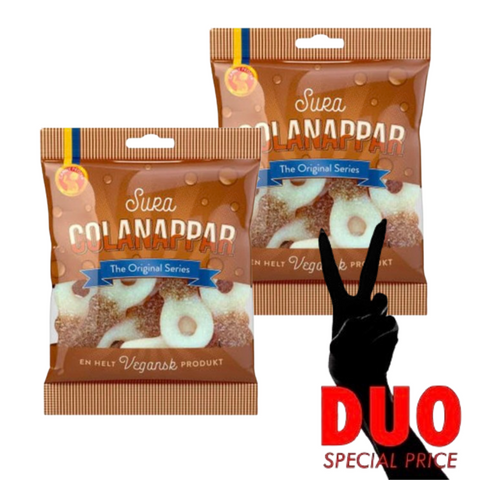
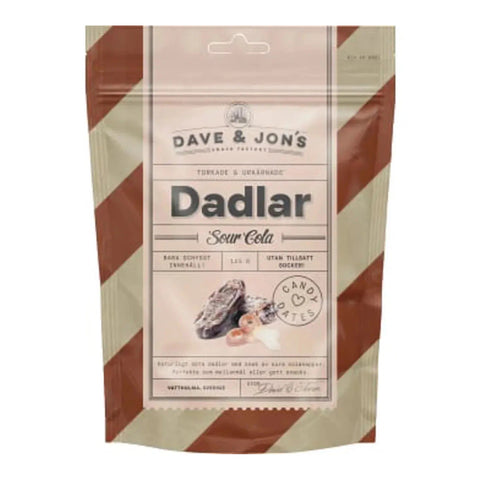
In Sweden, sourness is taken more seriously than almost anywhere else on earth. Far from being a subtle accent, it is a dedicated obsession engineered to make your jaw clench and your mouth water instantly. From puckering sweets to bright preserves, this profile triggers an immediate physical reaction—the sudden flinch, the sharp bite, and the instinctual, almost compulsory reach for a second piece.
Good to Know: Swedes are among the top consumers of candy in the world, averaging around 15–16 kg per person annually. A massive portion of this is surt godis (sour candy), which often uses malic and citric acids to achieve a extreme pucker level rarely found in mass-market treats elsewhere.
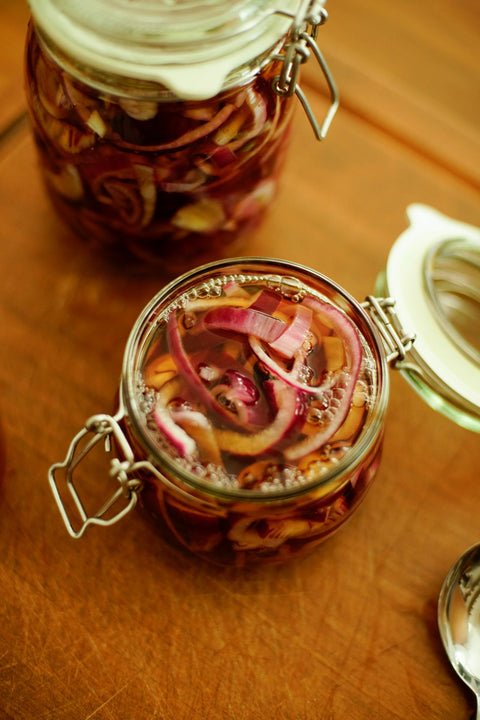
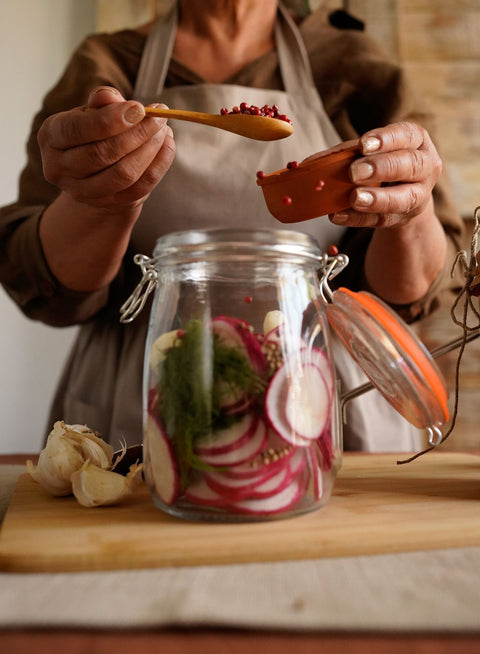
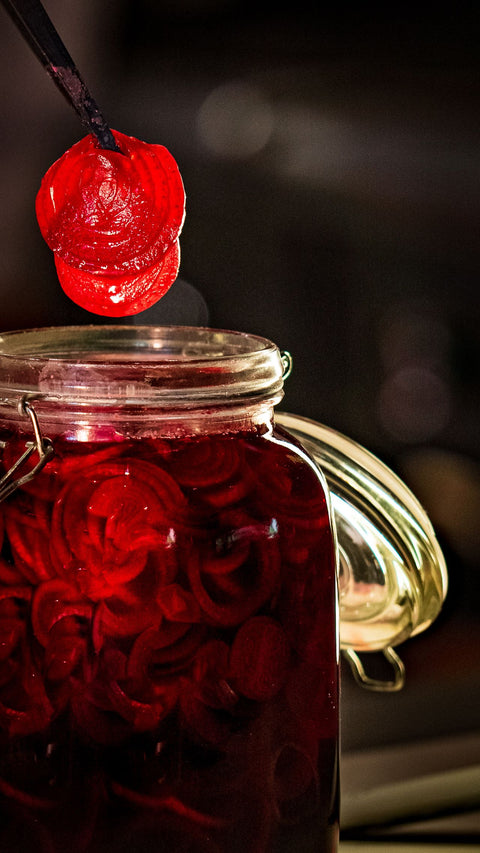
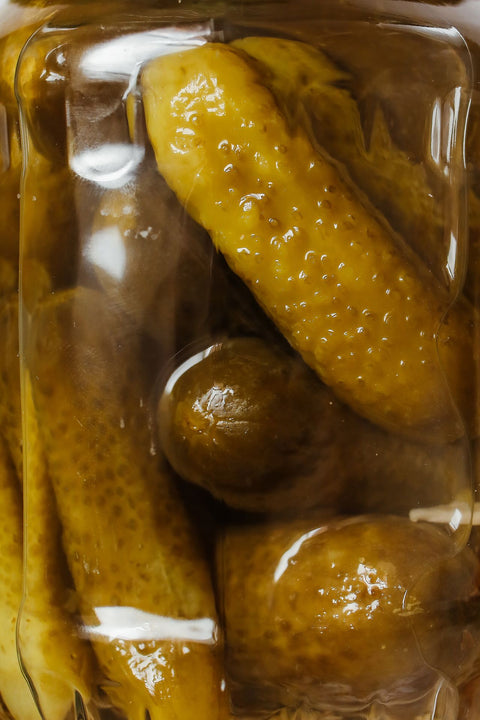
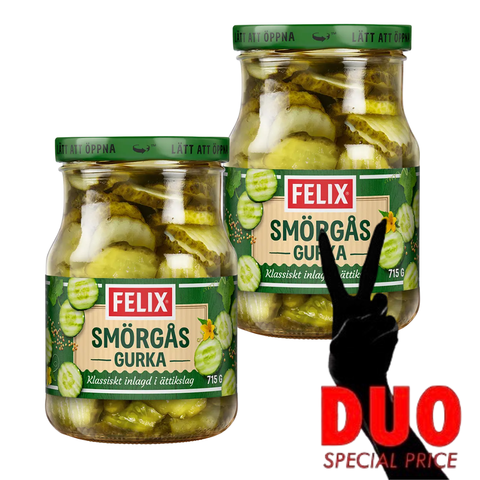
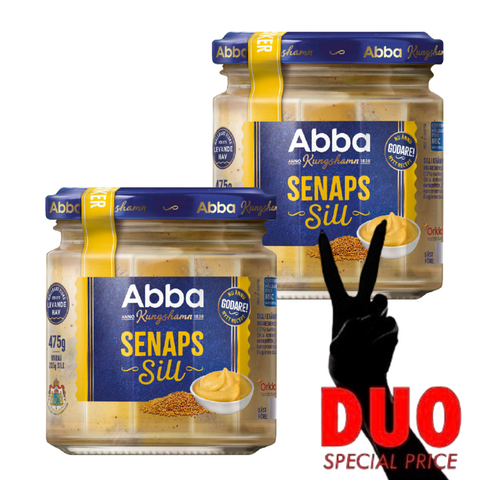
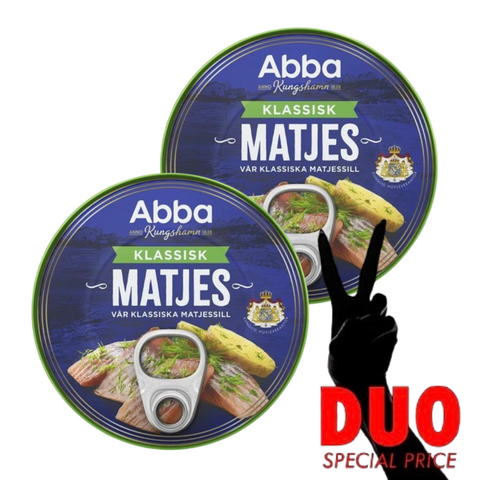
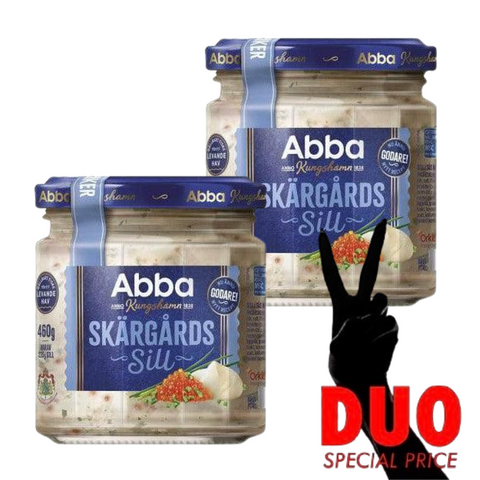
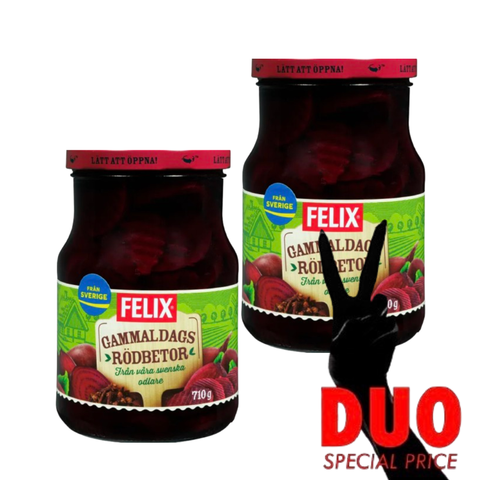
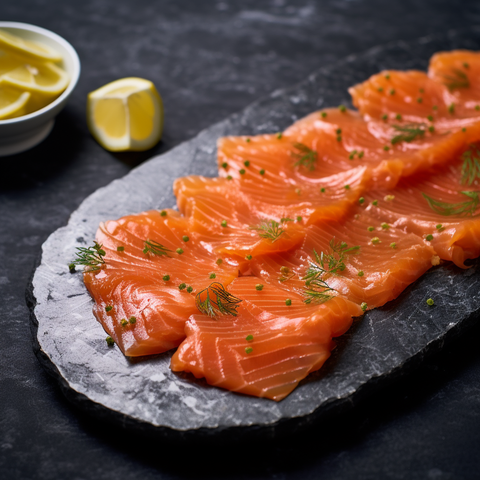
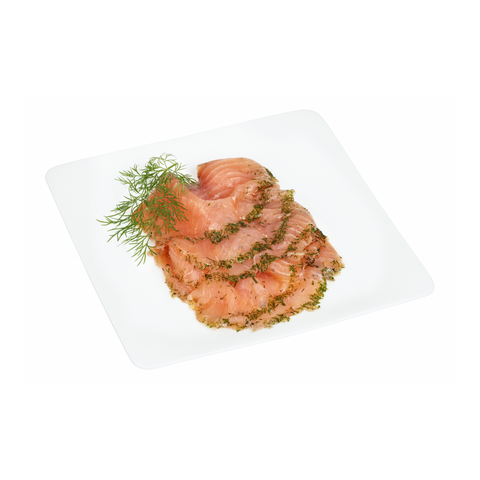
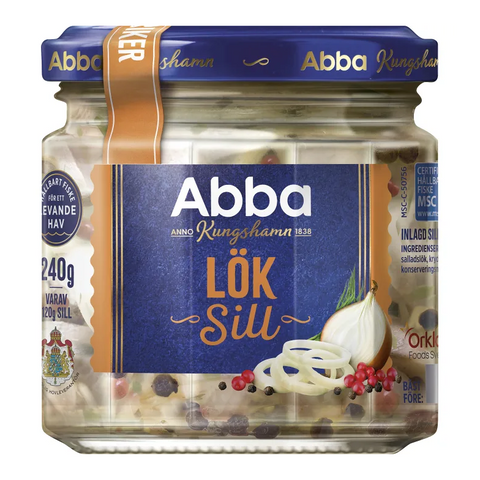
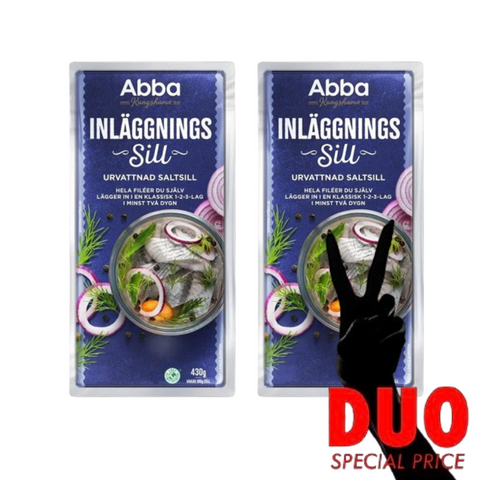
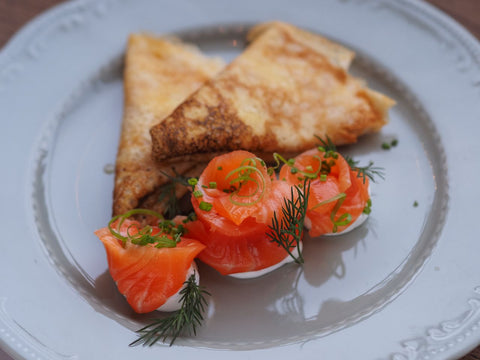
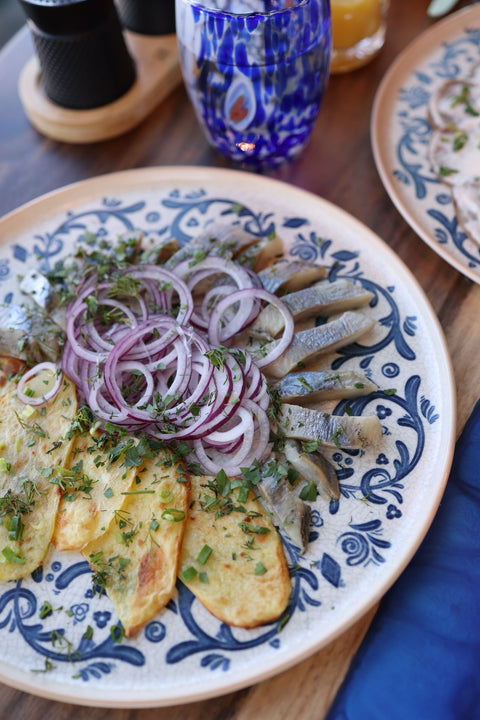
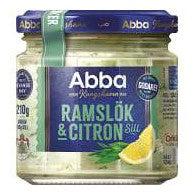
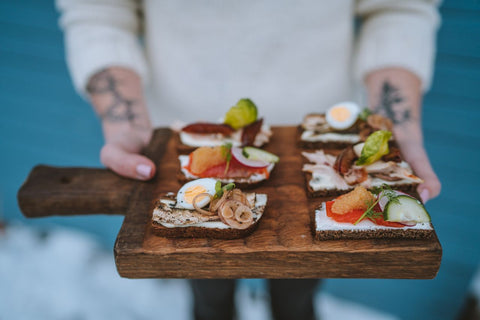
Born from harsh northern winters where long-term preservation was essential for survival, curing and pickling combine salt, sugar, vinegar, and exceptional patience. Applied meticulously to fatty fish and crisp vegetables, this slow transformation strips away moisture and leaves behind razor-sharp, clean, and quietly addictive flavors that balance acidity and sweetness with precision.
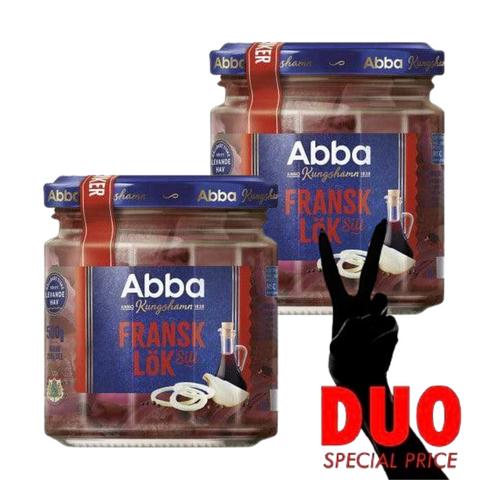
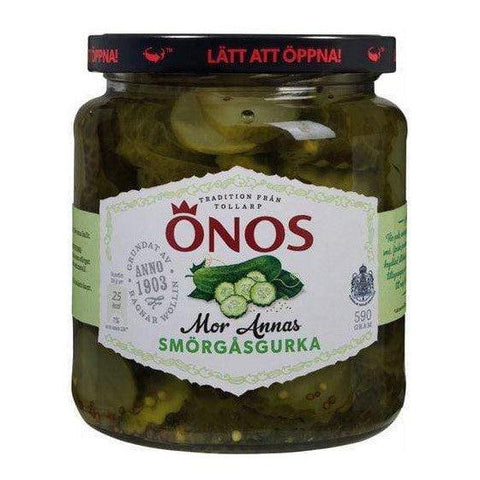
Interesting Fact: Swedish pickling relies almost universally on the golden rule of 1-2-3 brine (ättikslag): 1 part ättika (a concentrated 12% spirit vinegar), 2 parts sugar, and 3 parts water. This exact mathematical ratio forms the backbone of nearly all traditional pickled herring (inlagd sill) and cucumbers.
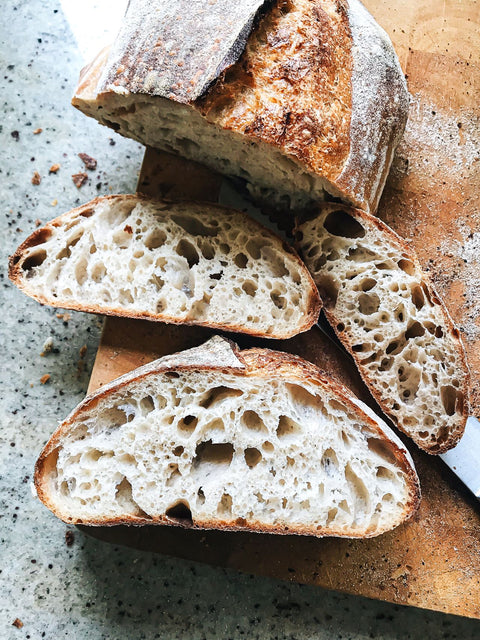
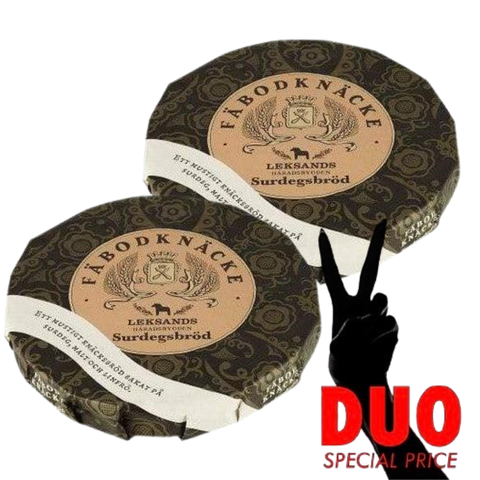
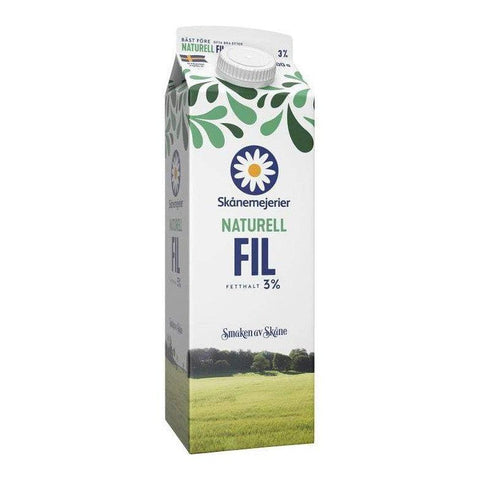
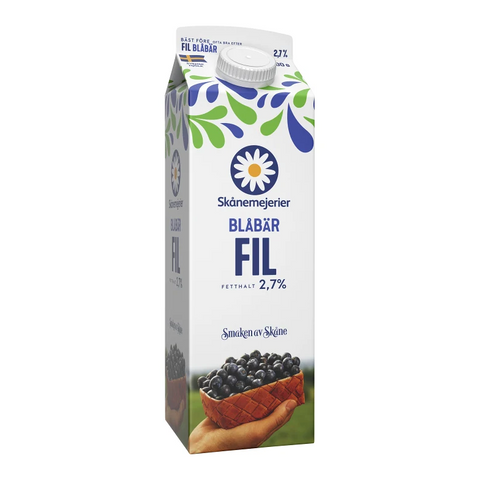
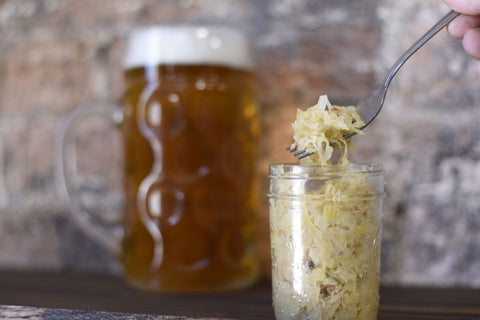
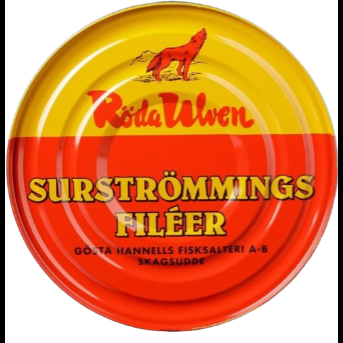
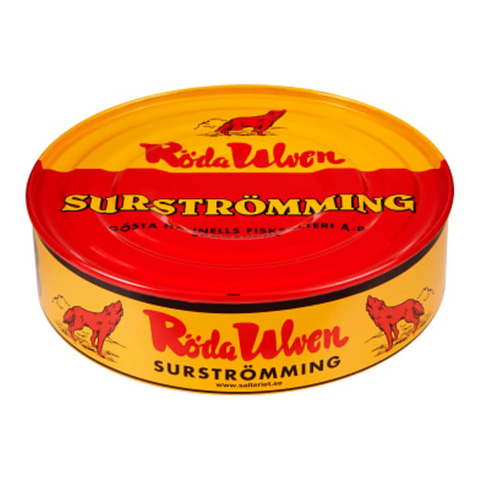
Fermentation represents the intriguing and occasionally alarming bfrontier where food preparation meets living biology. Spanning comforting staples like filmjölk (fermented milk), tangy sourdough, and sour cabbage, this category also includes infamous regional delicacies like surströmming (fermented Baltic herring). It embraces the complex funk and depth that only time and micro-cultures can yield.
Good to Know: Tins of surströmming continue to ferment inside the can, causing the pressurized tins to bulge into rounded spheres over time. Because of this high pressure, several major international airlines have officially banned the cans on flights, treating them as pressurized hazards!
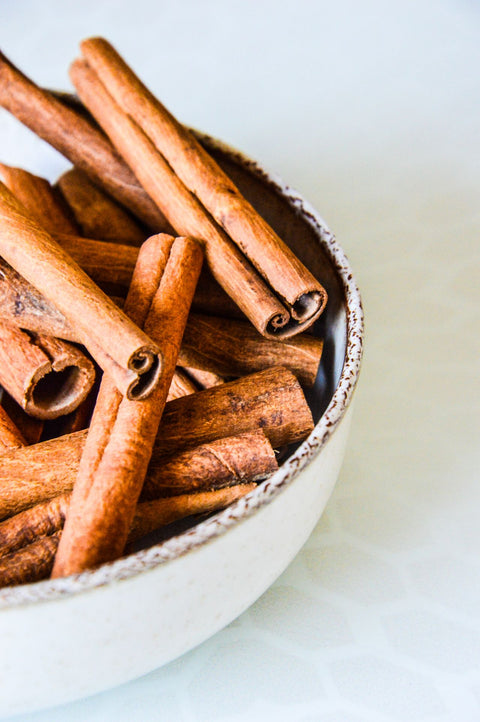
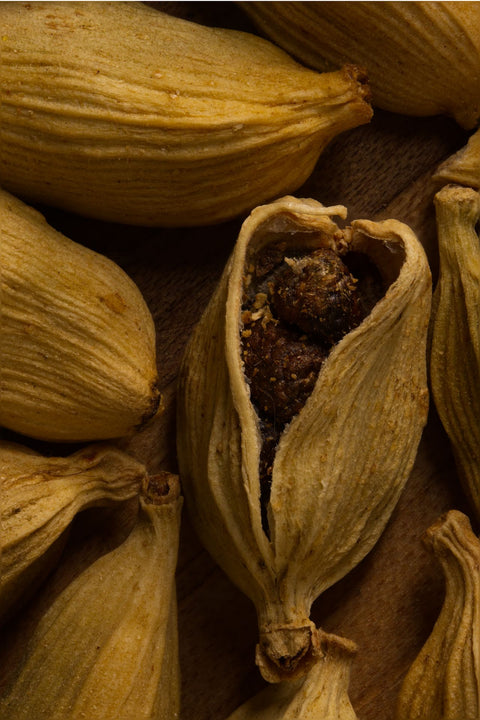
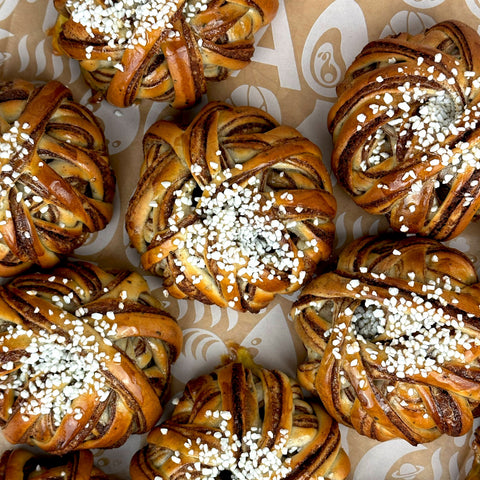
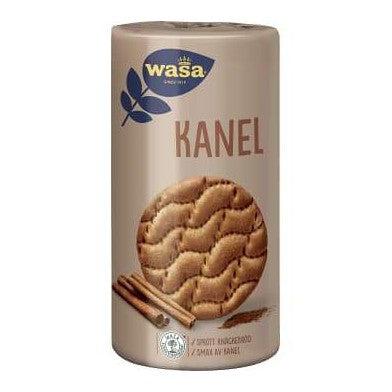
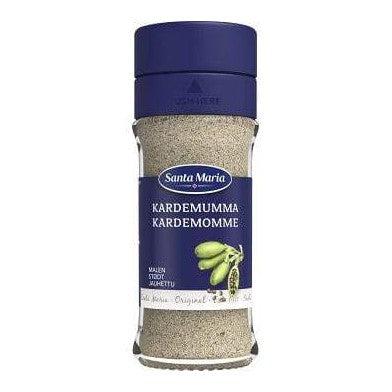
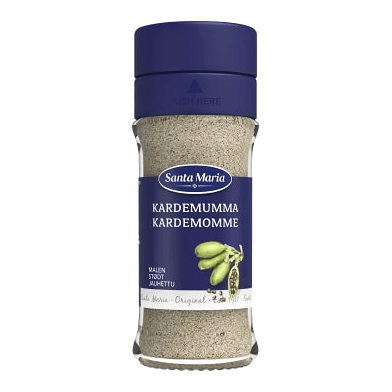
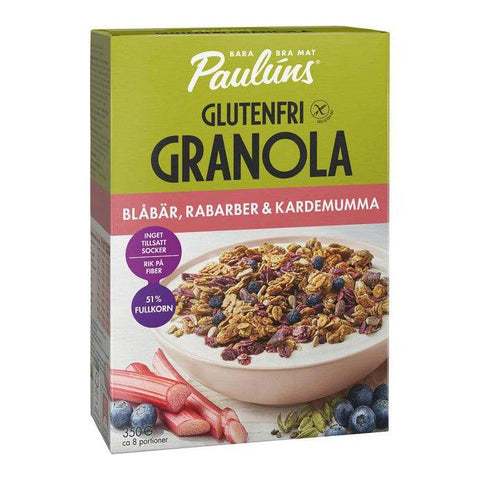
These two fragrant spices form the aromatic soul of the Swedish kitchen, defining the ambient scent of every local bakery and home. While cinnamon offers a warm, familiar comfort, it is green cardamom with its bright, herbal, citrus-tinged depth that Swedes rightly champion as the superior spice of the northern pantry.
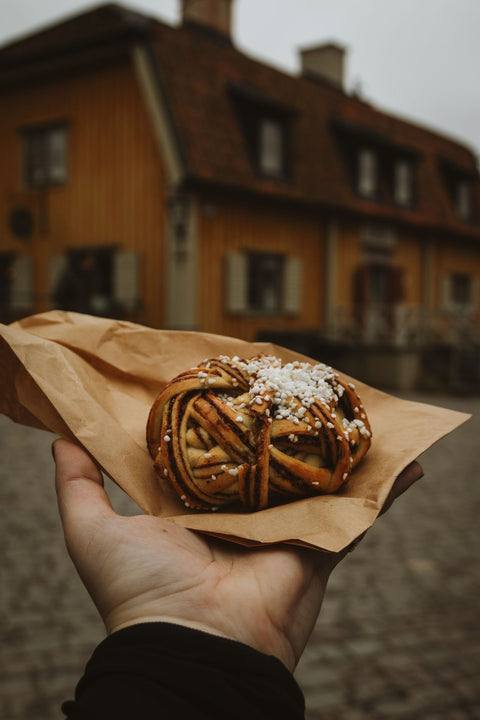
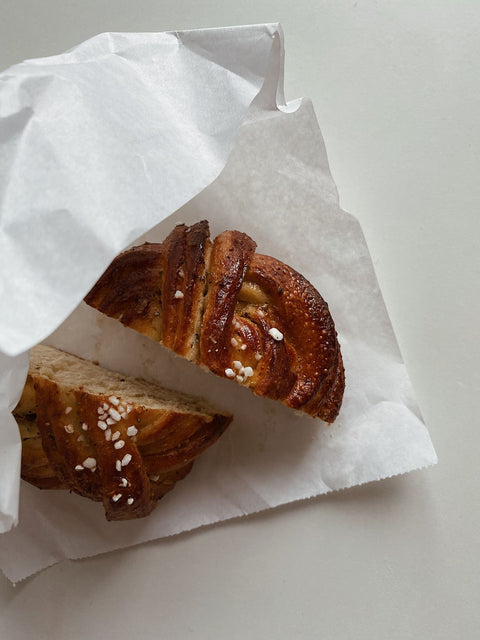
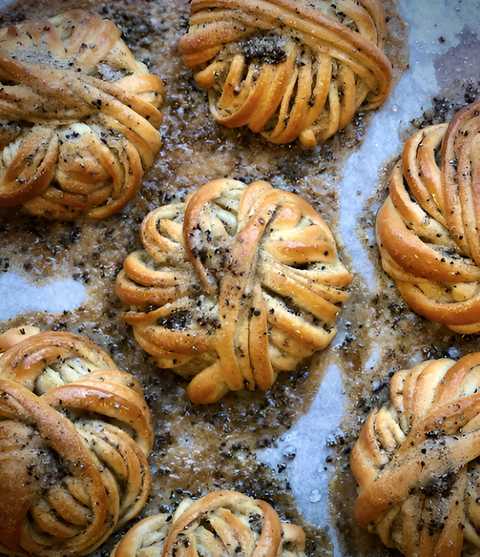
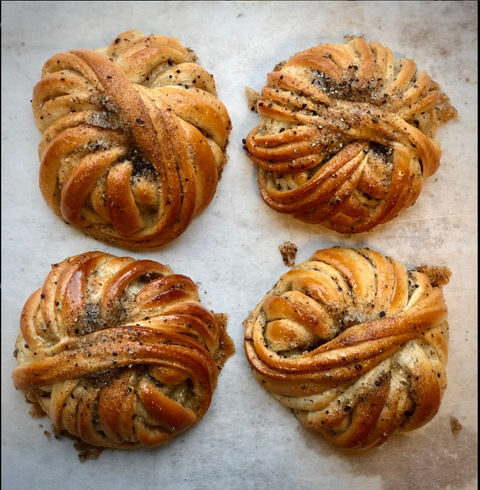
Interesting Fact: Despite green cardamom being native to Southern India, Sweden and Finland are among the largest importers and consumers of cardamom per capita globally. Swedes consume up to 30 times more cardamom than average countries, predominantly coarsely freshly crushed for kardemummabullar (cardamom buns).
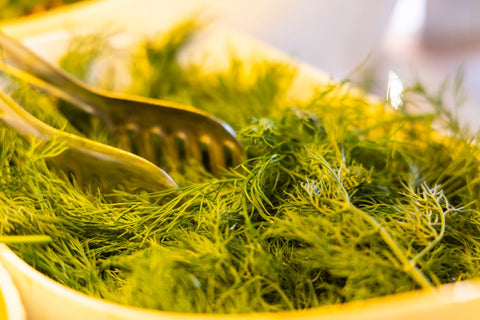
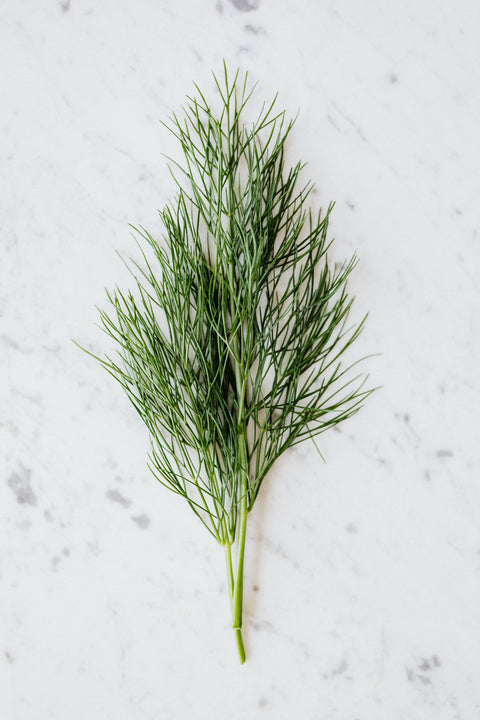
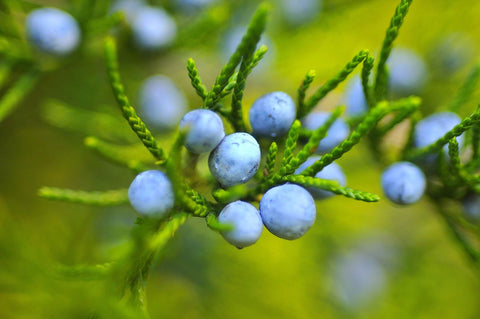
Capturing the dual natural environments of Scandinavia’s rocky shorelines and dense pine forests, dill and juniper create an iconic botanical duo. Fresh, feathery dill brings a bright, herbal greenness that finds its way onto almost every summer dish, while resinous juniper berries provide a piney punch essential for wild game and forest gatherings.
Good to Know: Juniper "berries" aren’t actually berries at all they are unusual seed cones with fleshy, merged scales that look like berries. Meanwhile, the most prized form of dill in Sweden is krondill (crown dill harvested with its yellow flowering umbrella intact), which is essential for authentic late-summer crayfish parties (kräftskiva).
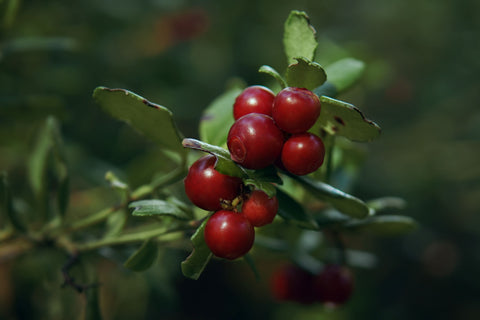
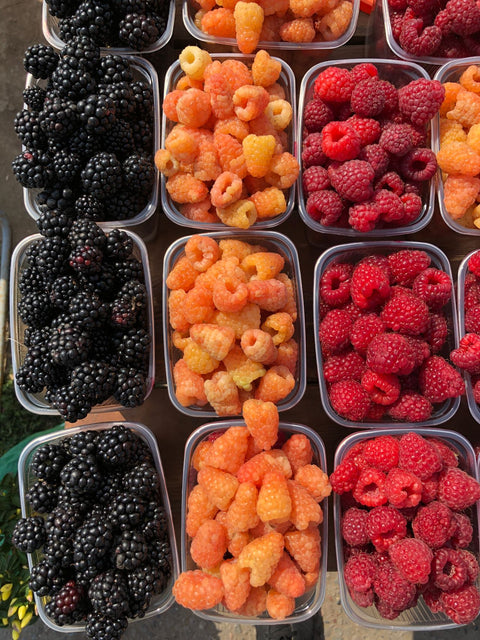
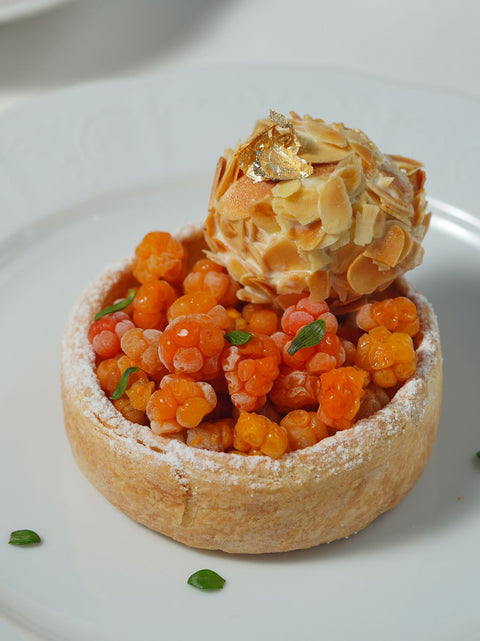
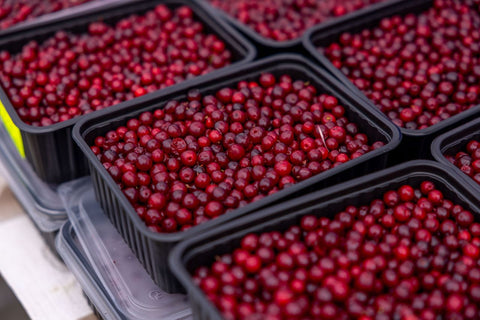
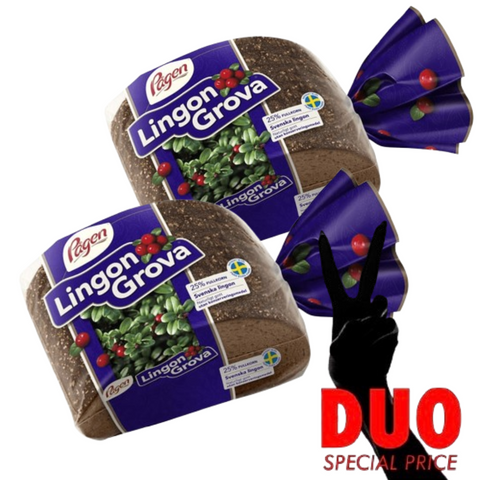
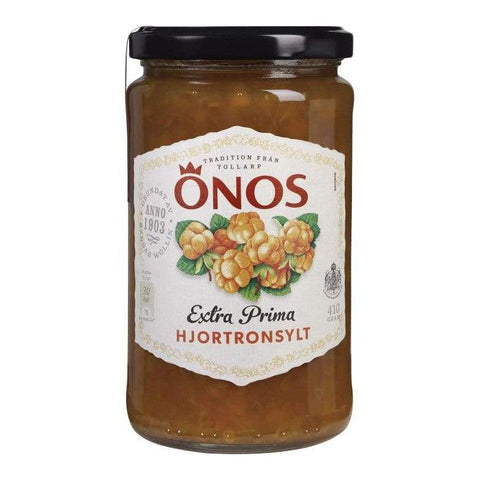
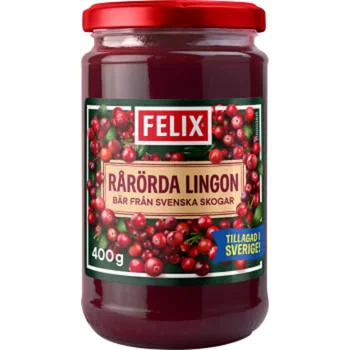
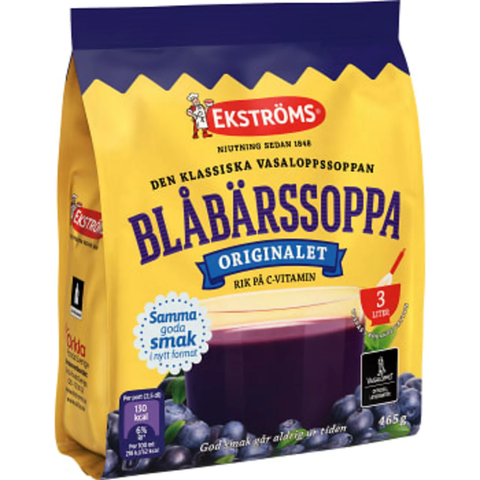
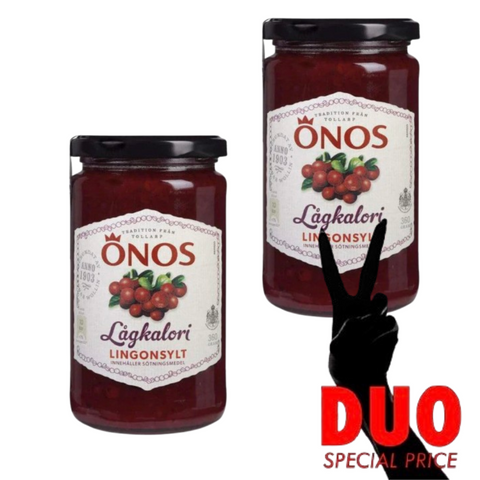
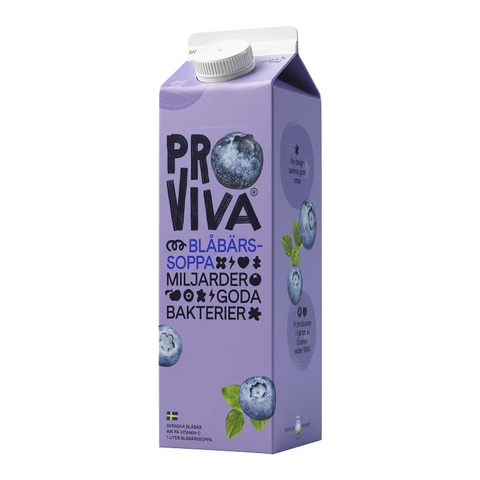
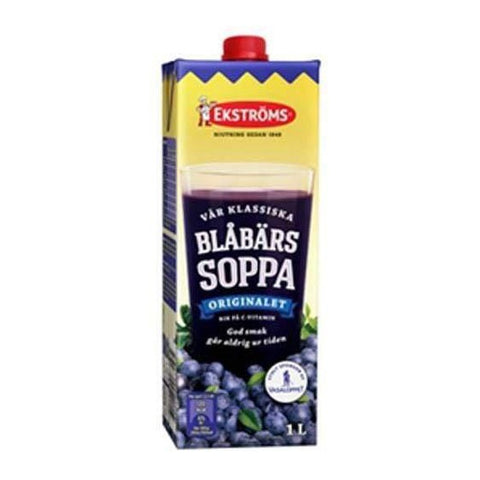
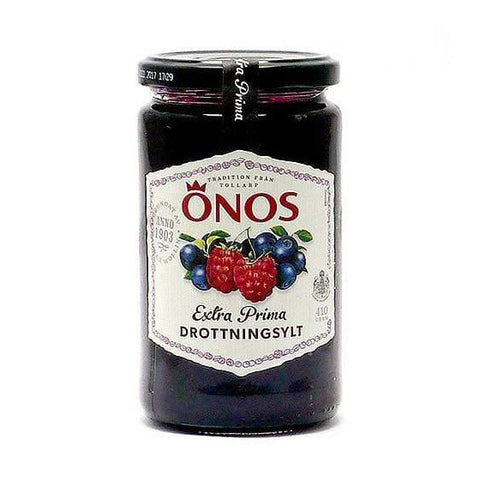
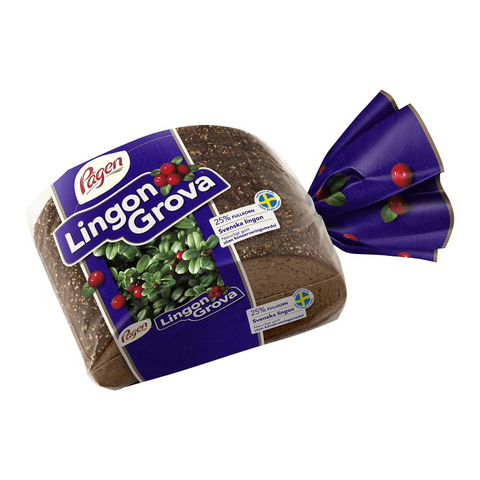
Nurtured by brief summers, thin arctic light, and long sunlit days, wild berries like lingonberries (lingon), wild blueberries (blåbär), and rare golden cloudberries (hjortron) grow slowly to develop an extraordinary concentration of taste. Small and sharply tart, they pack more vibrant, intensely focused flavor than farmed berries have any right to hold.
Interesting Fact: Cloudberries (hjortron) are nicknamed "Arctic Gold" because they grow almost exclusively in the wild on wet, mossy peat bogs and resist commercial farming. Thanks to Sweden's constitutional Allemansrätten (Right to Public Access), anyone is legally allowed to wander into the wild forests and harvest these prized berries for free.
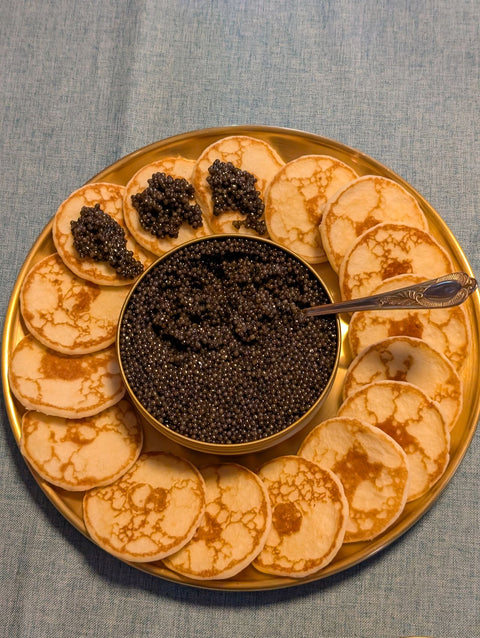
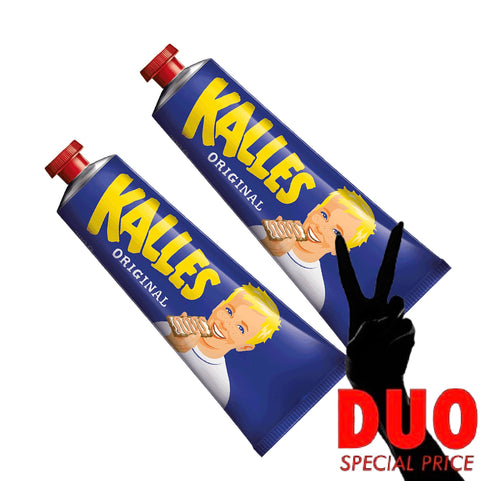
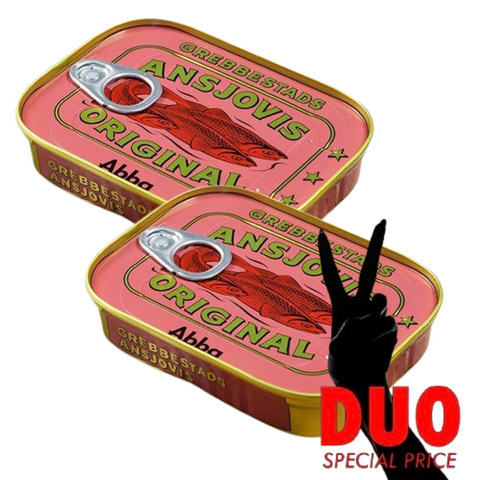
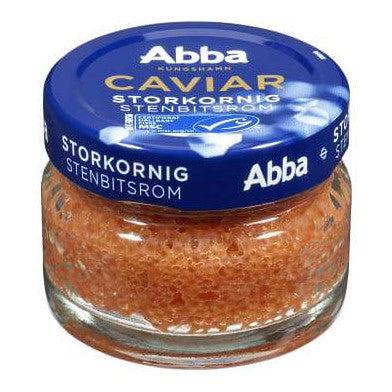
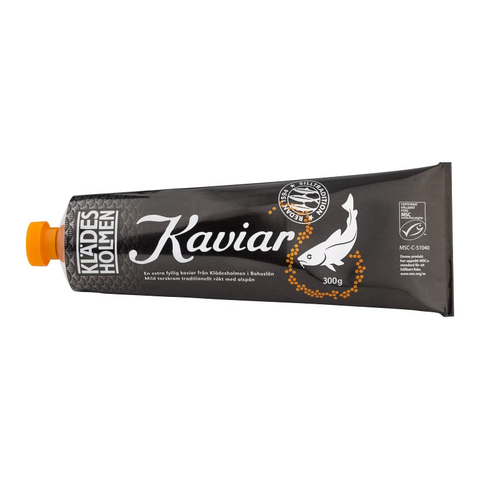
Drawn directly from icy Atlantic and Baltic waters, this category embodies rich savory depth and intense oceanic salinity. Featuring cured fish, delicate roe, briny anchovies, and the iconic, household-dividing tube of Kalles kaviar, it delivers an unapologetic punch of cold-water umami straight to the palate.
Good to Know: The "anchovies" (ansjovis) called for in classic Swedish recipes like Janssons frestelse (potato and fish bake) aren't true anchovies at all. They are actually small Baltic sprats cured in a sweet, highly aromatic brine spiced with cinnamon, nutmeg, cardamom, and allspice.