

Regular price

Rediscovering Swedish Husmanskost Abroad 🍴
For many Swedes living abroad, food can be one of the strongest connections to home. Few culinary traditions capture that feeling better than Husmanskost, Sweden’s classic home-style cooking.
The word husmanskost roughly translates to “houseman’s food” or “traditional home cooking.” The term began to appear in Sweden during the 18th and 19th centuries, referring to simple and nourishing meals prepared for farmers, workers, and families. These dishes were designed to be filling, affordable, and based on local ingredients that were easy to store during long Scandinavian winters.
Typical ingredients in husmanskost include potatoes, pork, fish, dairy products, cabbage, root vegetables, and grains. Rather than relying on heavy spices, Swedish cooking focuses on natural flavors and balanced combinations of savory, salty, and slightly sweet elements.
Husmanskost developed during a time when most Swedish households depended on locally grown or preserved food. Before modern transportation and refrigeration, ingredients needed to last through the winter months. Techniques such as pickling, curing, smoking, drying, and fermenting were commonly used to preserve food.
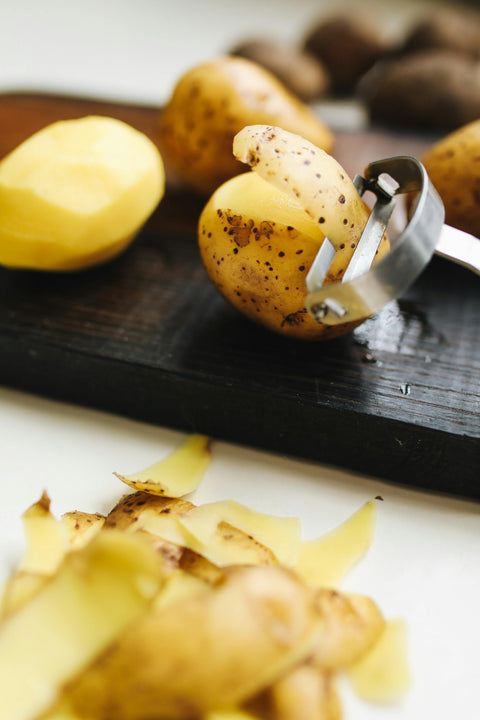
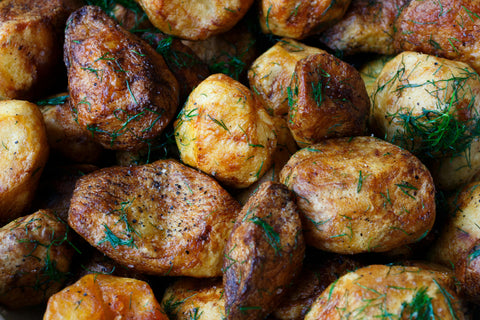
Potatoes, which were introduced to Sweden in the 18th century, eventually became one of the most important ingredients in Swedish cuisine. They were affordable, nutritious, and easy to grow even in colder regions. As a result, potatoes appear in many traditional husmanskost dishes.
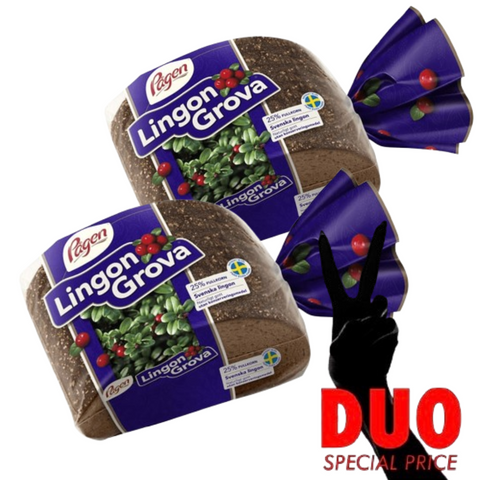
Another defining feature of Swedish cooking is the use of lingonberries, a tart wild berry that grows throughout the Scandinavian forests. Lingonberry jam is often served alongside savory dishes, creating a distinctive balance of sweet and salty flavors that is characteristic of Swedish cuisine.
Several dishes have become iconic examples of Swedish home cooking.
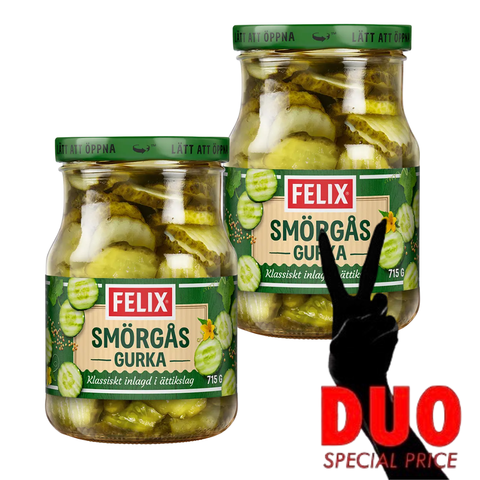
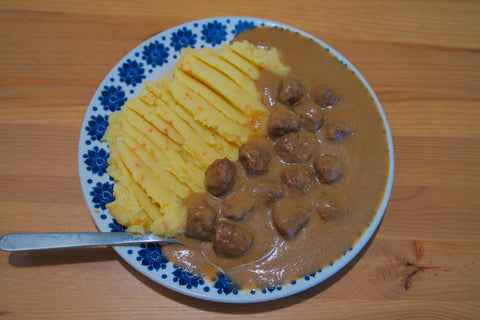
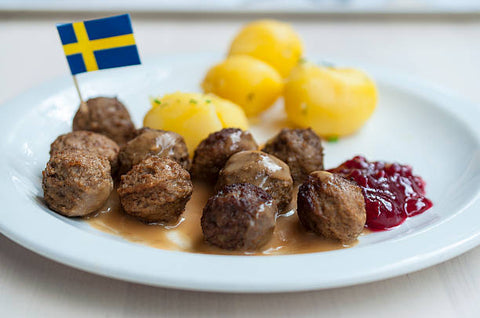
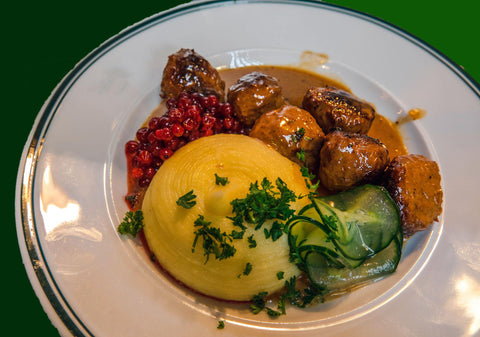
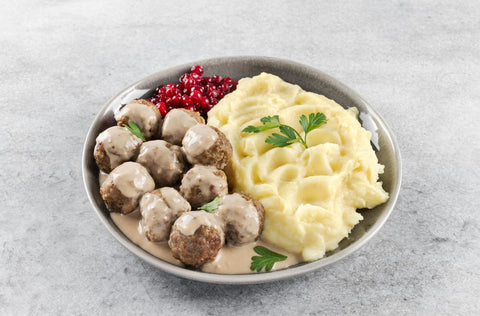
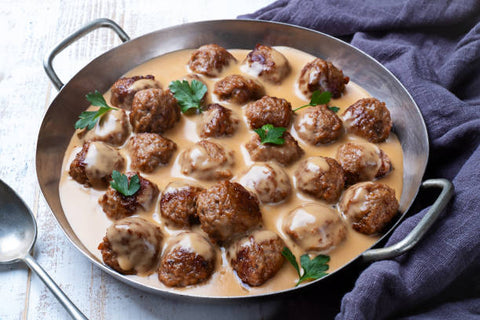
One of the most internationally recognized is Swedish Meatballs (köttbullar). Traditionally served with mashed potatoes, brown gravy, lingonberry jam, and pickled cucumber, the dish perfectly illustrates Sweden’s characteristic flavor balance between savory and sweet.
Another well-loved dish is Raggmunk, crispy potato pancakes made from grated potatoes and flour. They are typically served with fried pork and lingonberries. Potatoes became widely used in Sweden during the 18th century, eventually becoming one of the country’s most important staple foods.
A third traditional meal is Kroppkakor, potato dumplings filled with pork or bacon and seasoned with onions and spices. These dumplings are particularly associated with the Swedish regions of Småland and Öland, where they remain a local specialty.
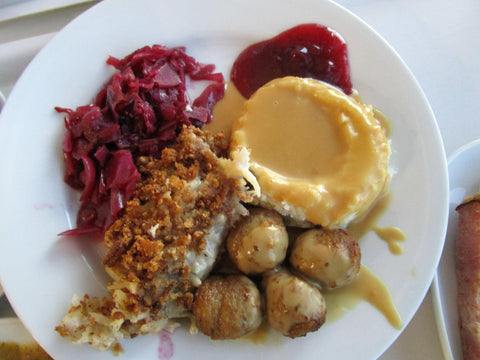
Part of what makes husmanskost special is its strong connection to Swedish history and everyday life. Many recipes were shaped by practical needs: ingredients had to last through cold winters, meals had to provide enough energy for physical labor, and cooking methods needed to be simple.
Because of this, husmanskost is often described as comfort food. It represents warm kitchens, family meals, and traditions passed down through generations.
For Swedes living abroad, these dishes can evoke memories of school lunches, family gatherings, and traditional Sunday meals.
Traditional Swedish home cooking is not only comforting but also nutritionally balanced. Many husmanskost dishes were originally designed to provide enough energy for physically demanding work, especially in rural areas.
These meals typically include:
Complex carbohydrates from potatoes, bread, and grains, which provide long-lasting energy
Protein from meat, fish, eggs, and dairy products
Healthy fats, particularly from fish such as salmon and herring
Vitamins and minerals from root vegetables, cabbage, and berries
Potatoes, one of the most common ingredients in husmanskost, are rich in vitamin C, potassium, and fiber. Meanwhile, fish dishes contribute omega-3 fatty acids, which are associated with heart health and brain function.
Although some traditional recipes include cream or butter, the overall structure of the meals combining protein, vegetables, and carbohydrates creates a balanced plate.

For Swedes living outside the country, traditional dishes can become a meaningful way to stay connected to Swedish culture. Even when certain ingredients are difficult to find, many recipes can be recreated with small adaptations.
Lingonberries can sometimes be replaced with cranberry jam, and many Swedish ingredients are now available in international stores or through Scandinavian specialty shops. Preparing a plate of meatballs with mashed potatoes or a batch of potato pancakes can quickly transform an ordinary dinner into a reminder of home.
In this way, husmanskost is more than just food. It represents Swedish history, resourcefulness, and the comfort of familiar meals shared with family and friends a culinary tradition that continues to travel with Swedes wherever they live in the world.