



The First Slice of Julskinka Is Always Special
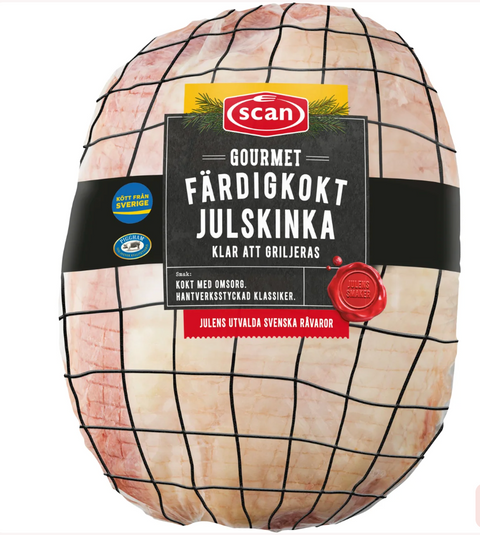
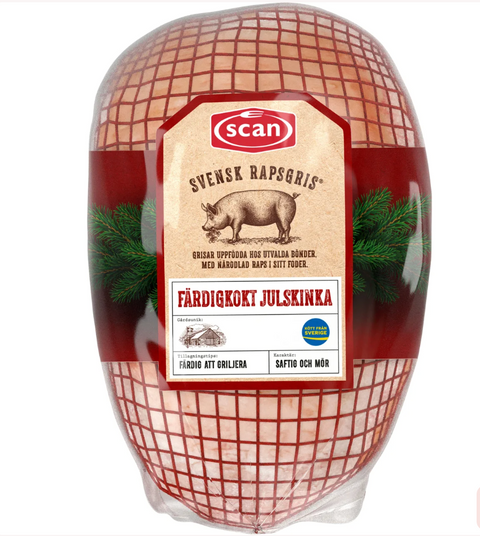
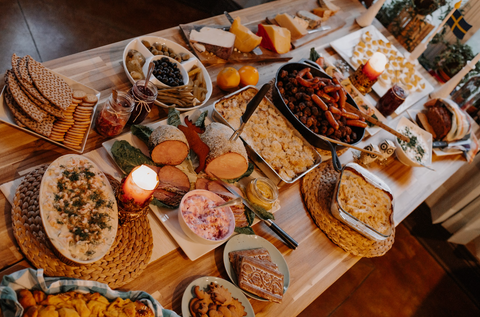
There are certain things we look forward to every Christmas, and for many Swedish households, Julskinka is right at the top of the list. The familiar sight of a beautifully prepared ham, the golden mustard crust and the first freshly cut slices are all part of what makes the Swedish Christmas table feel complete.
Julskinka has a longer history than many might imagine, although the tradition has evolved over time. Eating pork around Christmas has roots in older Swedish farming traditions, when the winter slaughter provided meat for the festive season. The Christmas ham itself is believed to have become a Christmas tradition as early as the 17th century, but the version we recognise today only became established towards the end of the 19th century.
Today, it is difficult to imagine a traditional julbord without it.
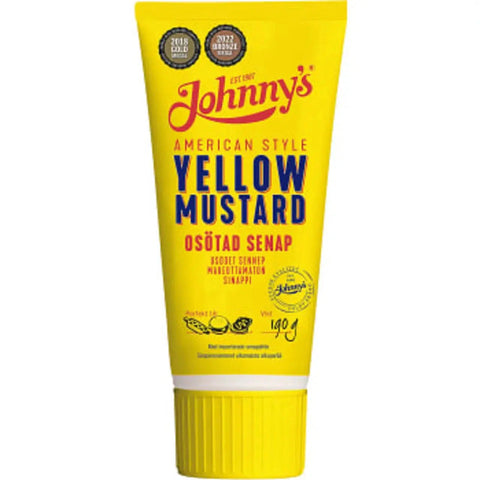
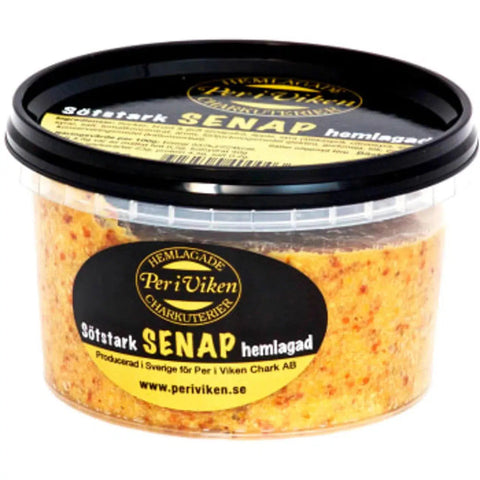
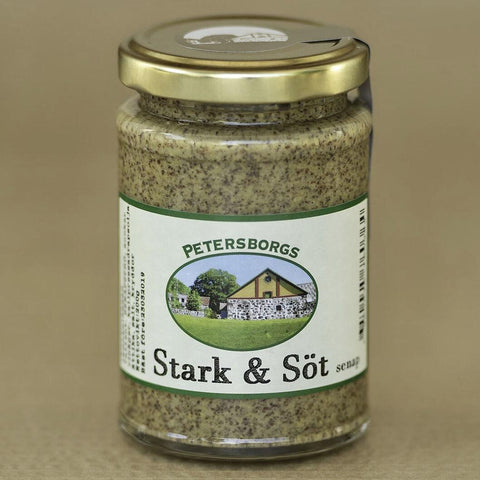
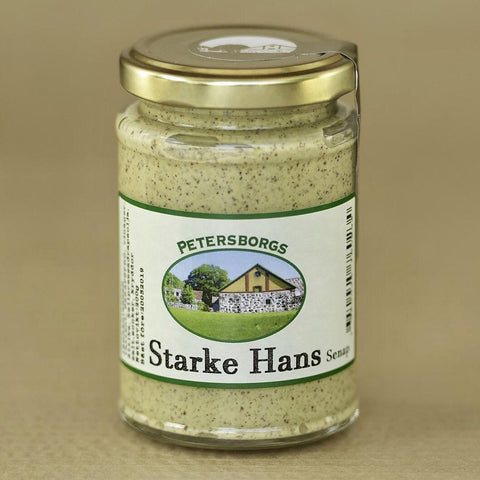
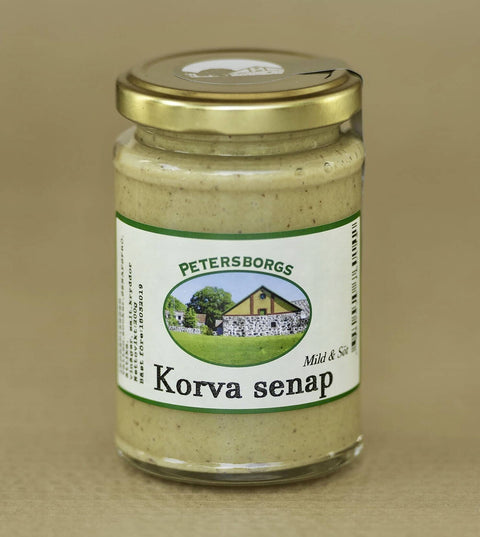
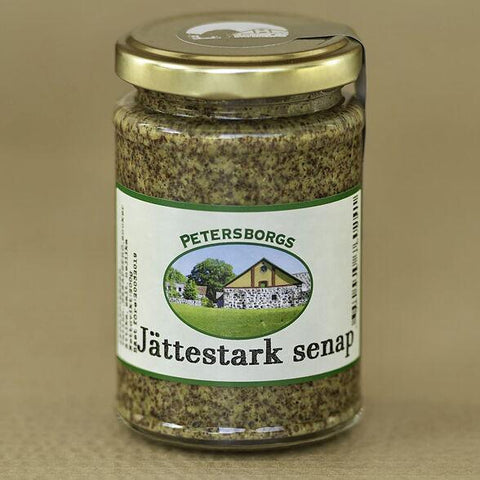
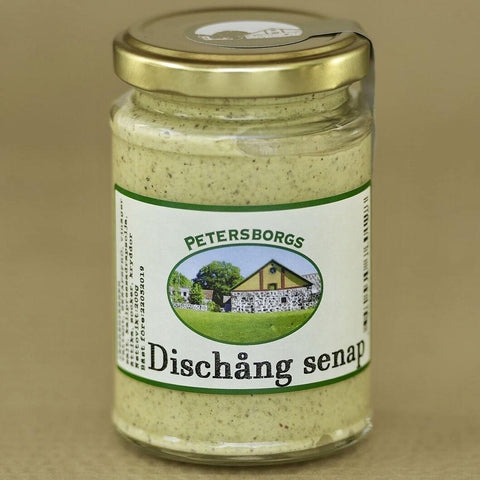
One of the most recognisable parts of preparing Julskinka is the griljering. Once the ham has been cooked, it is covered with a mixture of mustard and egg yolk, followed by breadcrumbs, before being placed in the oven until the surface turns beautifully golden. It is a simple finishing touch, but one that gives the Christmas ham its familiar appearance and distinctive flavour. Every household may have its own preferred mustard or recipe, but that golden crust is a sight many of us associate with the festive season.
And then comes the best part: serving it.
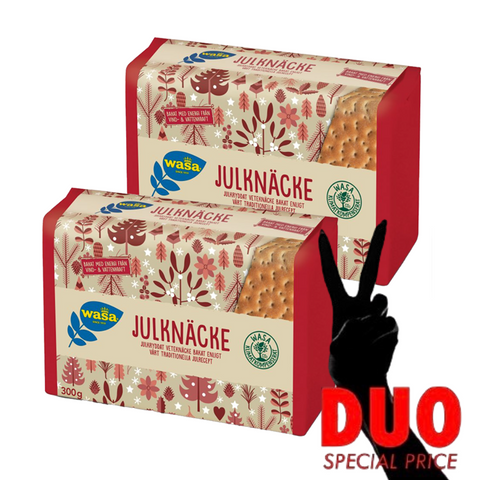
Thin slices of Julskinka are traditionally enjoyed with mustard, alongside the other favourites on the Christmas table. But some of the most memorable moments happen away from the julbord. A slice of Christmas ham on a piece of bread, perhaps with a little extra mustard, makes one of the simplest and most satisfying Christmas sandwiches. It is also one of the easiest ways to enjoy the leftovers in the days after Christmas.
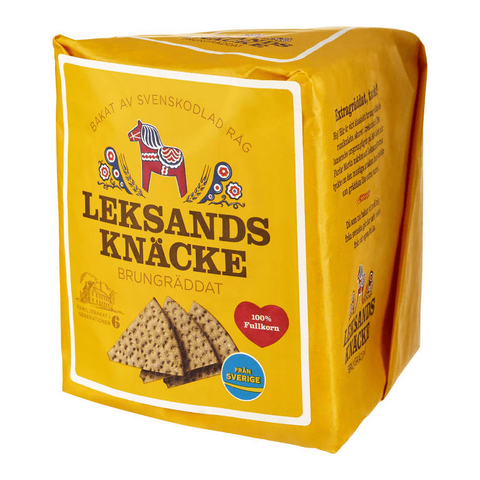
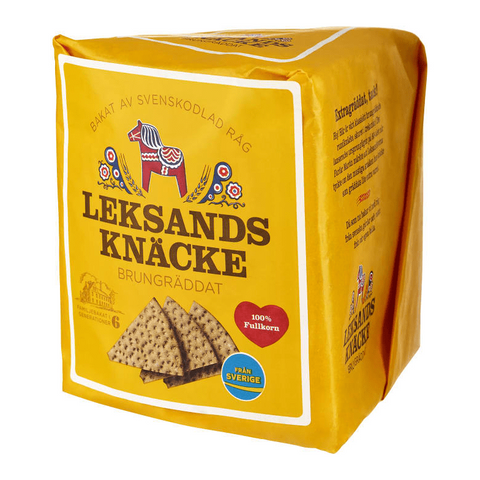
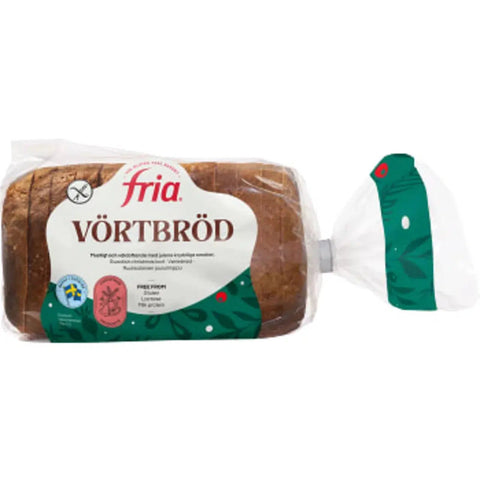
There is another old tradition worth remembering: dopp i grytan. The cooking broth from the ham can be saved and used for dipping bread, a custom that has been part of Swedish Christmas food culture for generations. In northern Sweden, hard tunnbröd has traditionally been used, while vörtbröd is more common in parts of the south. Although the custom is less common today, it remains a lovely reminder of how carefully food was once used and enjoyed.
Whether Christmas means a full julbord with family and friends or a quieter celebration at home, Julskinka remains one of those familiar flavours that brings the season together. For Swedes living abroad, it can also be a small but meaningful way to keep a favourite tradition close.
If Julskinka has a place on your Christmas table every year, make sure it has a place on this year's too.
Discover Julskinka at Swedishness and bring one of Sweden's most cherished Christmas traditions to your festive celebrations.