
Regular price

What Only Our Eyes Know
What a Swedish table says when no one is speaking
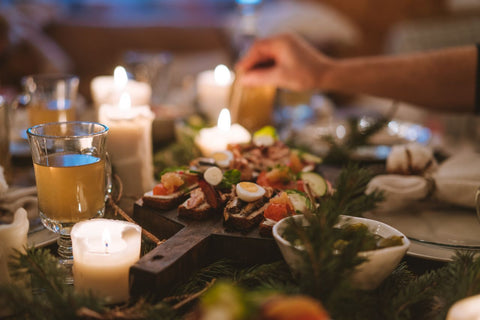
As the evening darkens, the windows of a Swedish restaurant begin to give up on the street. The glass stops showing the pavement and the bicycles and starts showing the room instead: the candles doubled, the coats on their hooks, two faces at a table by the window. The fish arrives about then. Butter-fried, the skin gone to lace at the edges, a heap of boiled potatoes bright with dill, a wedge of lemon, a small spoonful of browned butter pooling where the potatoes have split. The plates are set down. Someone says it looks good. Someone says the potatoes are the good kind. Then there is a pause, before anyone reaches for a fork, in which neither of them is looking at the food.
A table can hold two conversations. One is audible: the day, the weather, a colleague, whether the bread is worth a second basket. The other has no vocabulary and needs none. It is carried in where the eyes go and how long they stay, and it runs underneath the spoken one for as long as the meal lasts, and sometimes rather longer.
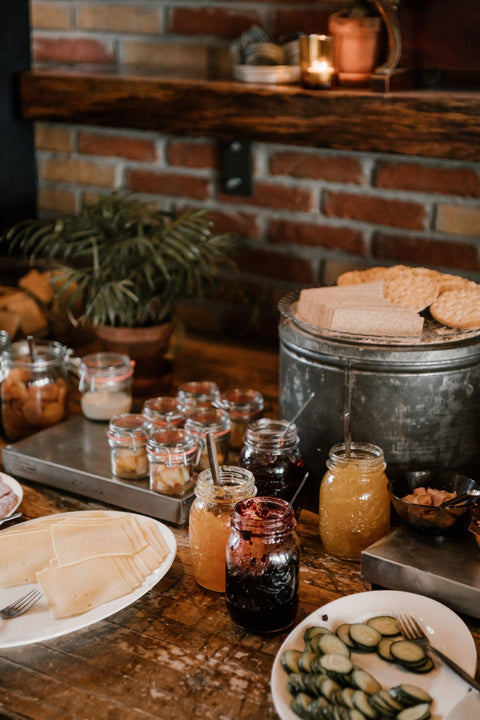




We can look at the same plate and see different things.
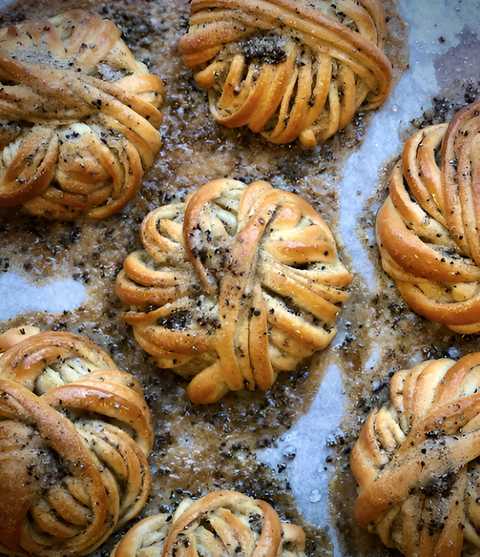
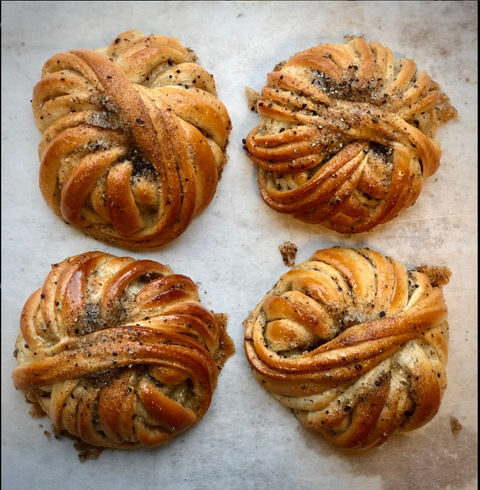
Take the cardamom bun, which to a visitor might be a pastry: knotted, glossy, flecked with cardamom. For someone who grew up with it, the bun is not entirely on the plate. Part of it is in a kitchen with the radio on, where someone's hands are twisting dough into a shape they never had to think about, and the smell of cardamom has reached the hallway before the tray reaches the oven. The bun is a person, at one remove.
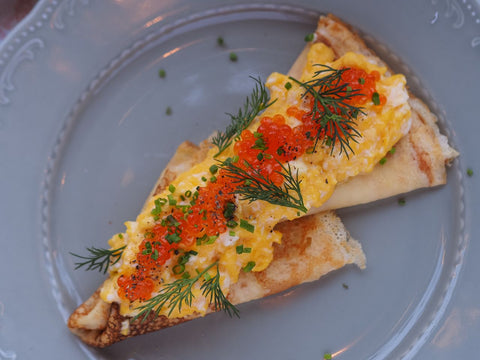
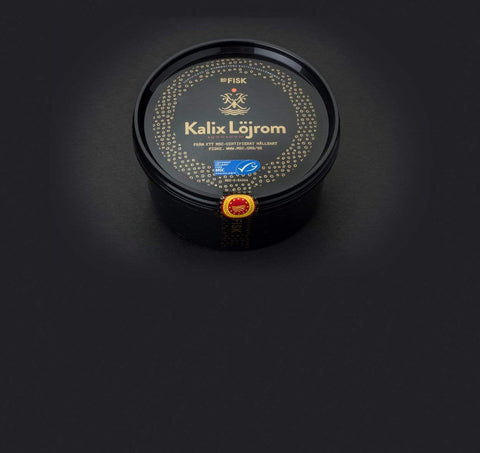
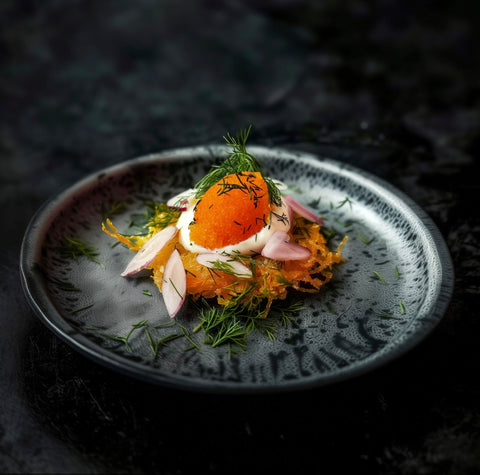
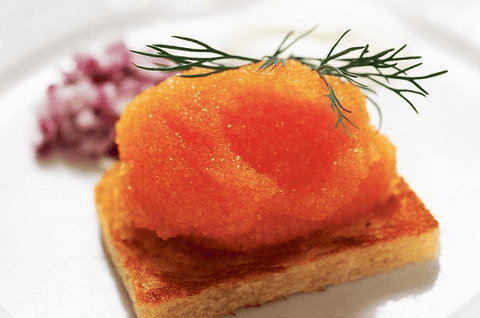
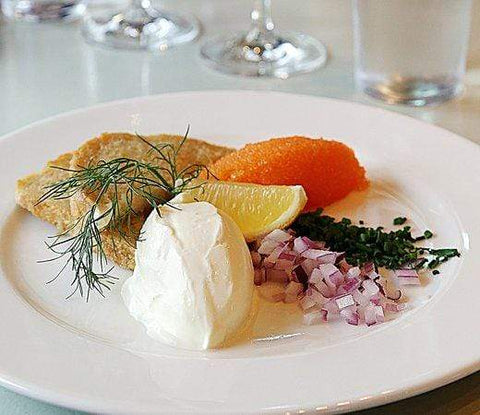
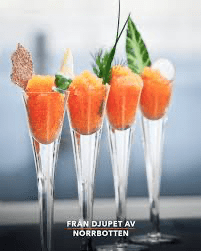
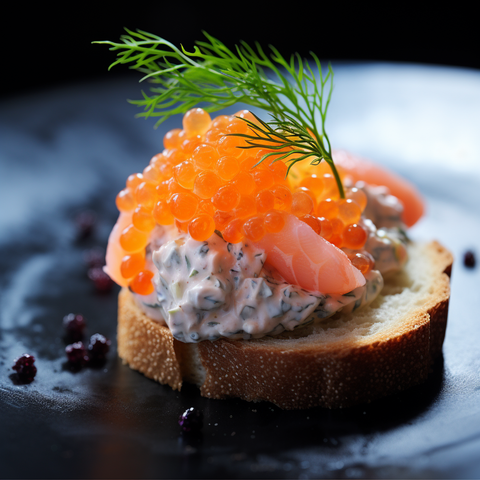
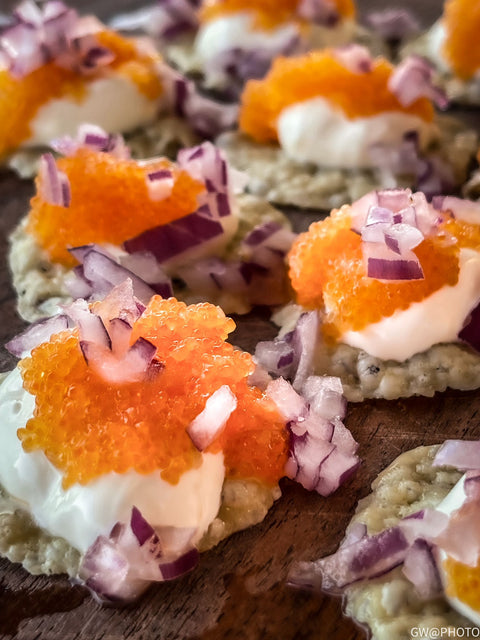
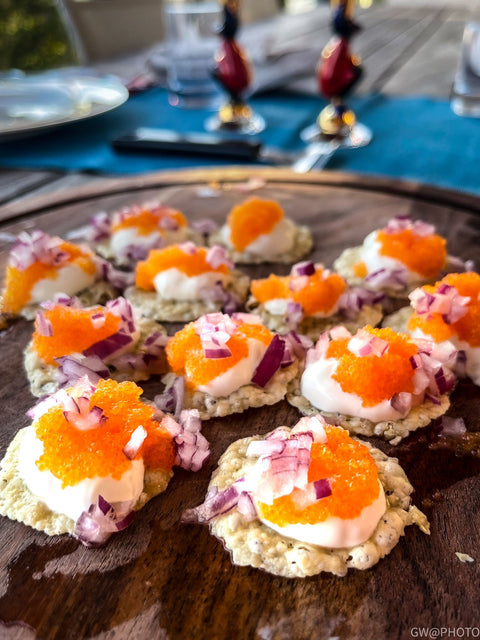
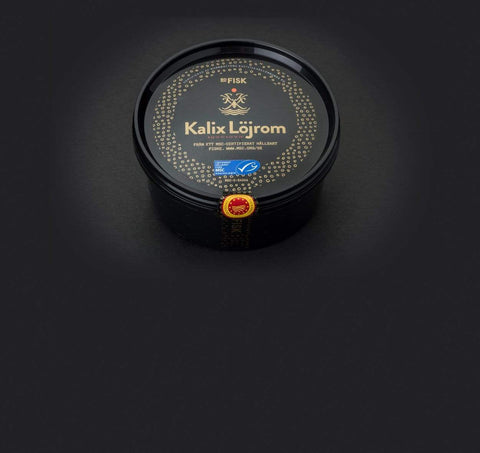
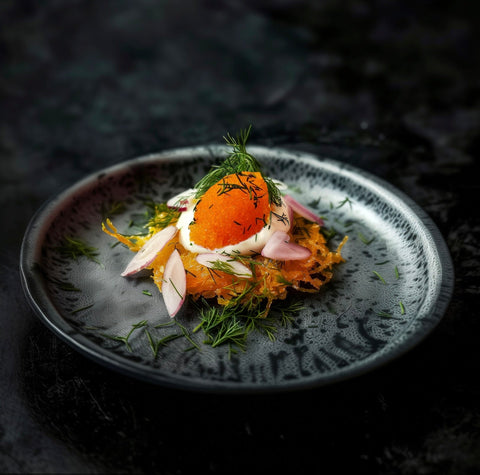
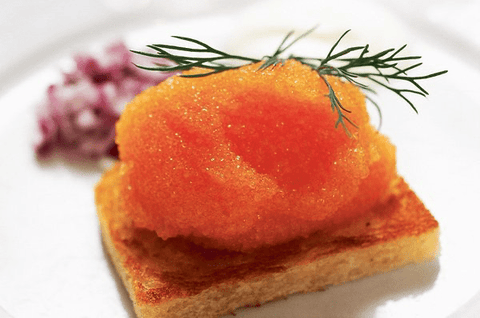
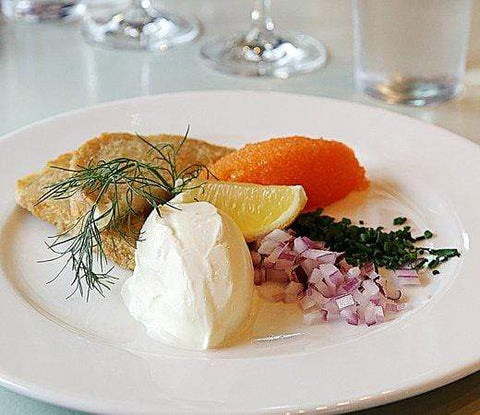
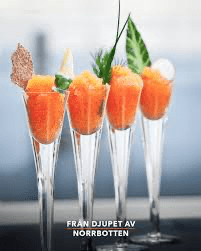
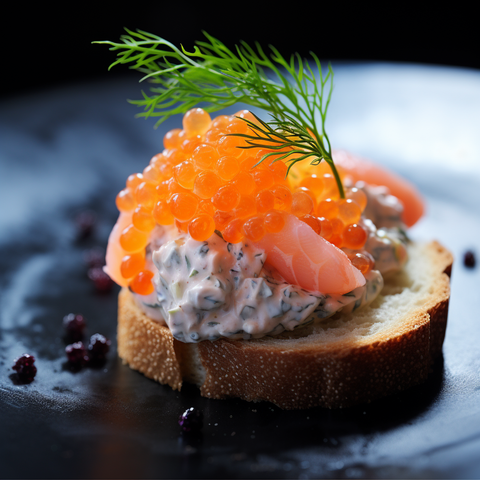
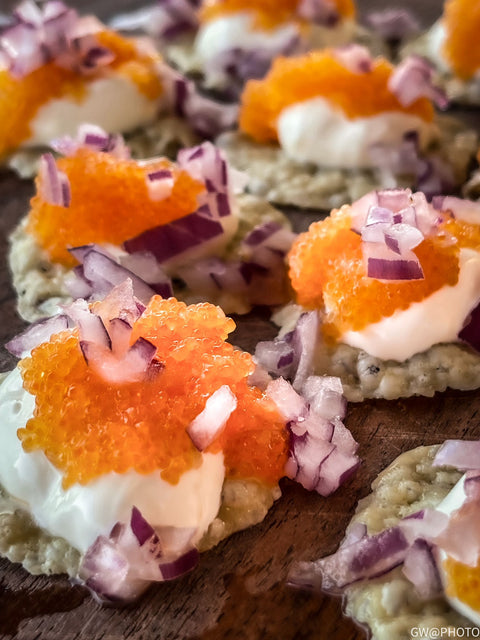
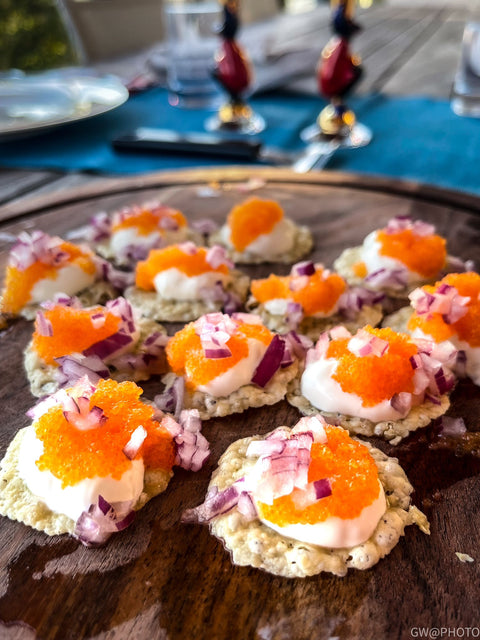
And then there is löjrom: tiny amber pearls on warm toast, with cool crème fraîche and finely chopped red onion. The eye reaches it before the fork does. A small dish, chosen to make an evening feel special. And sometimes the pleasure begins in noticing who has saved the last mouthful for whom.
Beside it, champagne rises in fine threads through the glass. Someone lifts theirs. Skål. The glasses meet, but the eyes have found each other first. There may be words for what is being celebrated; there may simply be another reason to raise a glass, to look again, to let the moment last a little longer.
Coffee is the same. In Sweden, the cup often comes with an invitation. It means a chair pulled out, a plate that appears beside it uninvited, ten minutes that were not on the agenda, and someone who decided you were worth them. Sometimes a person holding a coffee cup is also holding an afternoon from decades ago.
And potatoes with dill, modest as they look, can bring back the first small potatoes of the year: scraped at a sink with the window open, cold water running over someone's knuckles, and the whole table waiting because there is nothing else to wait for that matters more. The dill is more than a garnish. It is the smell of a particular June, arriving at another table.
This is part of what makes a dish feel Swedish to us. Not only its recipe, but what we recognise in it: the hands, the rooms, the people who are not at the table and somehow are.
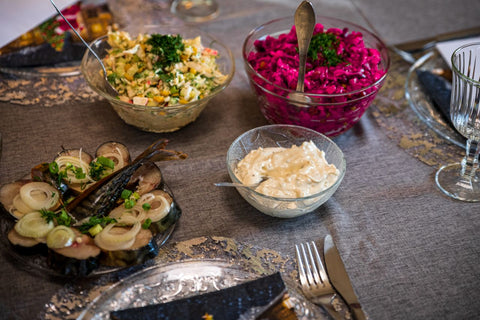
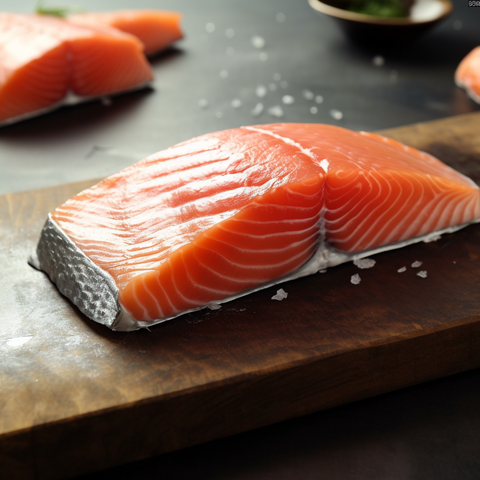
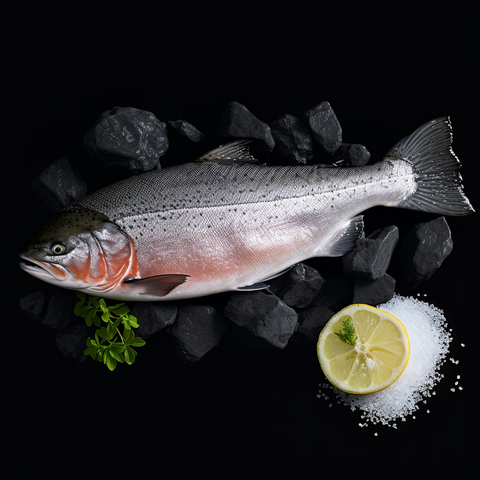
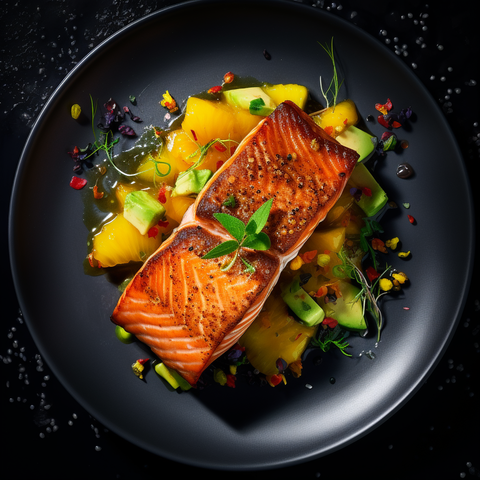
At a Swedish table, care need not be announced. It can simply be placed within reach.
It is the lingonberries put down a hand's width nearer to the one who likes them. The larger piece of fish, transferred without comment. The second bun, ordered as if by accident, because someone noticed last time that one was not quite enough. The cup refilled before it was empty. Little of it needs saying. It is there to be noticed.
Over time, a table acquires its own rituals. One reaches for the salt, the other for the pepper. Sparkling water comes with ice and lemon because neither has to ask any more. A glance towards a glass, and the hand opposite is already reaching for the bottle. What is missing is noticed before it becomes a request. These small arrangements are rarely discussed. They are learned by looking, and kept by caring.
And the seeing is the other half of the gesture. A person who has cooked something, or chosen it, or simply moved it across the table, will often watch the first taste. There is a moment, half a second long, in which the eyes go to the other face and wait, and what they are waiting for is not merely an opinion of the food. It is the face itself, lifting. That is the reply. The dish was the question.
Sometimes care crosses a table without a single word, and it is met without one, and both people know exactly what has been exchanged. The hands have offered something. The eyes say it has been received.
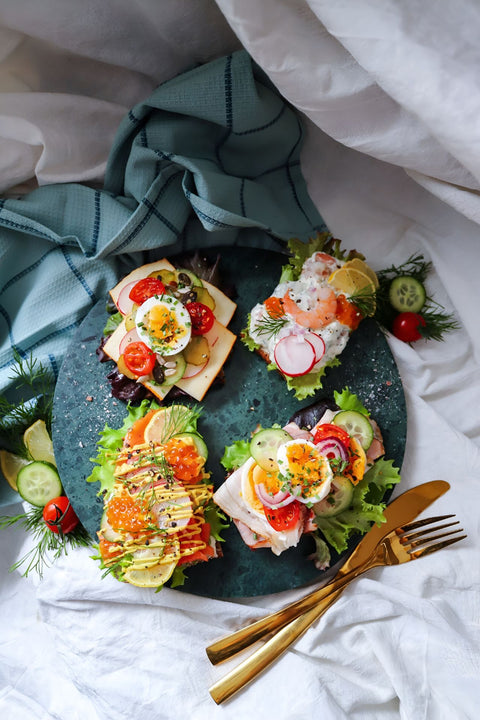
Some meals end when the food does. Others discover that the food was only the reason to sit down.
Coffee gets ordered by people who do not particularly want coffee. Plates are cleared, but nobody reaches for a coat. The room thins out. And what remains, when the eating is finished and the audible conversation has drifted to a stop, is the other conversation, the one that was there the whole time.
There is a kind of looking that does not get used up. A menu can be read to the end. But there are faces that stay unfinished no matter how long you look, where you can return a hundred times and still find something you had not seen, or find the same thing and need to see it again. Things that are difficult to say out loud can arrive easily this way. Complicated feelings, which fight the mouth, turn simple in the eyes, because the eyes have no grammar to trip over. Nothing has to be forced into a sentence. You look, and you are looked at, and it has no floor.
Sweden has a reputation for quiet. But a great deal of what matters can happen at close range, over a table, between two faces that are in no hurry to speak.
The window is still showing the room. The candle, twice. Two cups and a small dish with a few lingonberries left in it, still closer to one side than the other. Two faces, looking as they were before the fish arrived. The coats can wait a little longer.
There are things a Swedish table says with sugar and dill and a plate moved a little closer. And there are things that never quite reach the conversation, because our eyes have already carried them across the table.