
Regular price

The Golden Roe of the North: 6 Fascinating Facts About Löjrom.
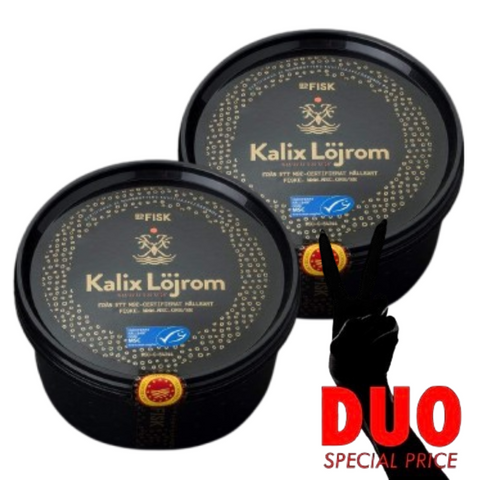
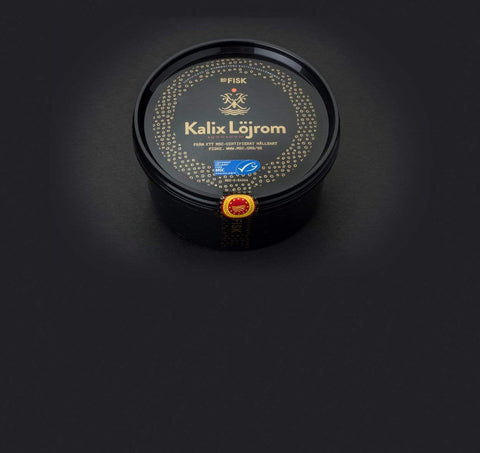
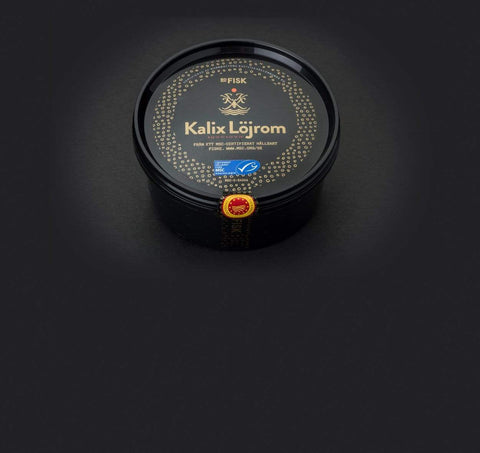
Our 2025 Kalix Löjrom is still available, and that means you can enjoy one of Sweden’s most celebrated seasonal delicacies long after the autumn fishing season has ended.
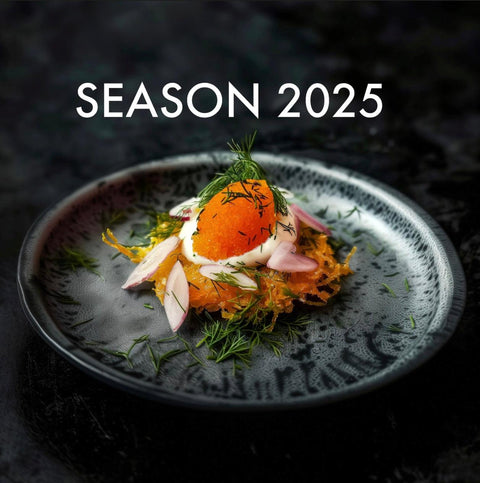
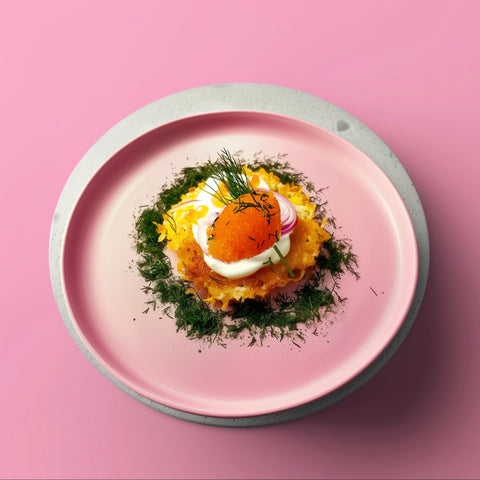
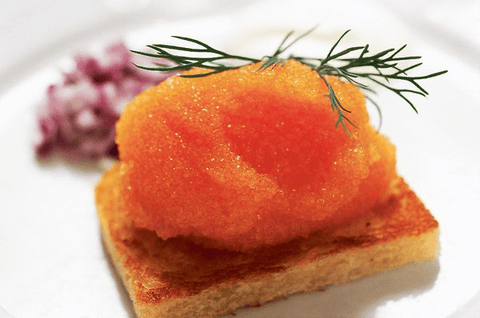
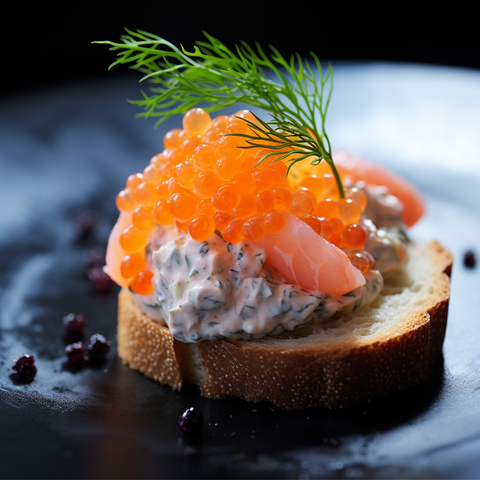
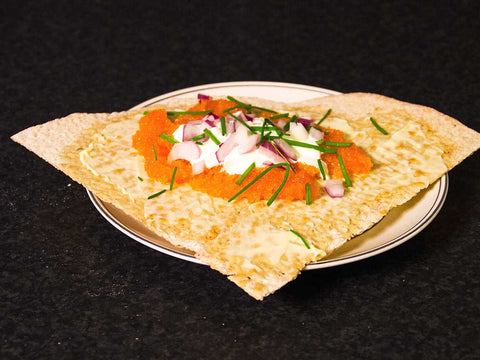
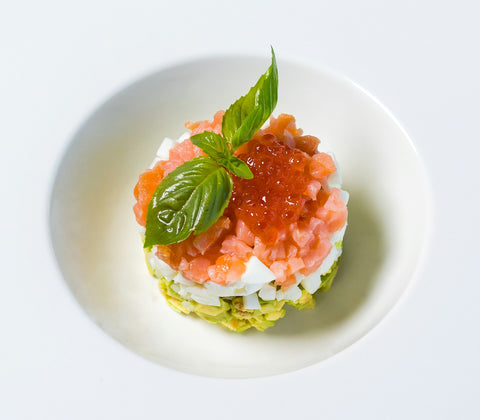
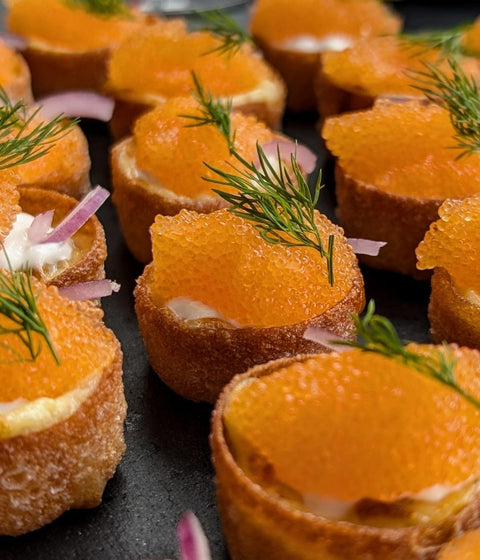
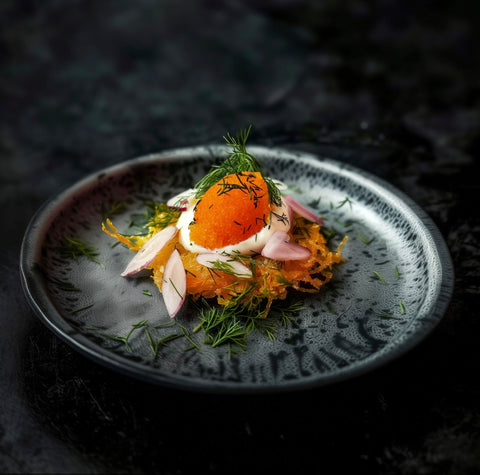
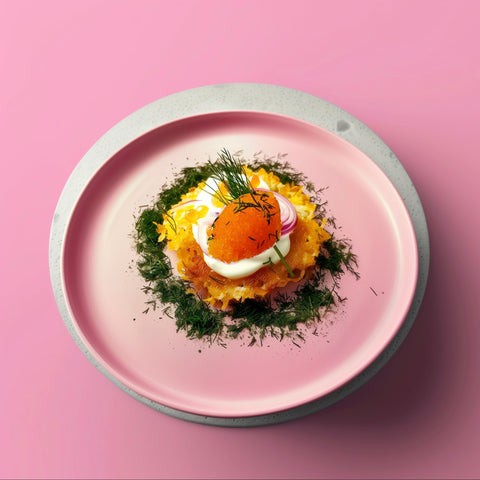
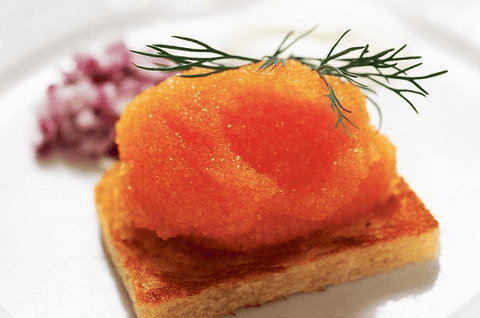
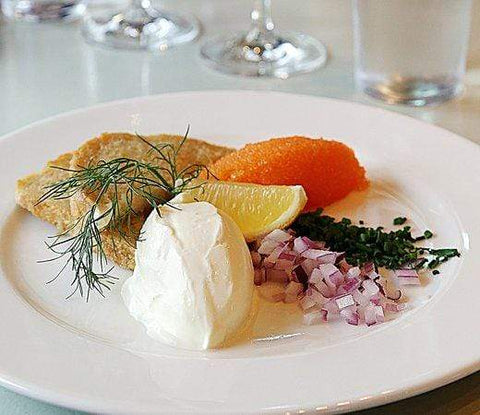
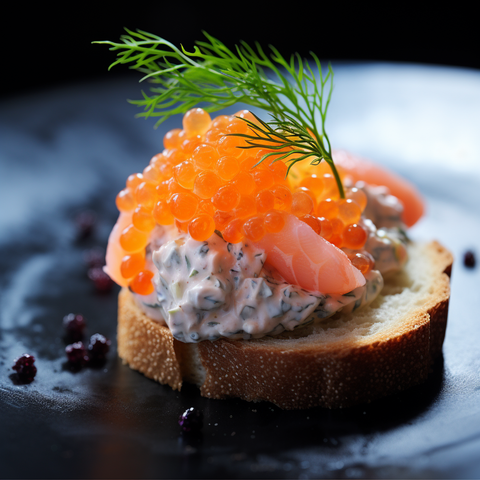
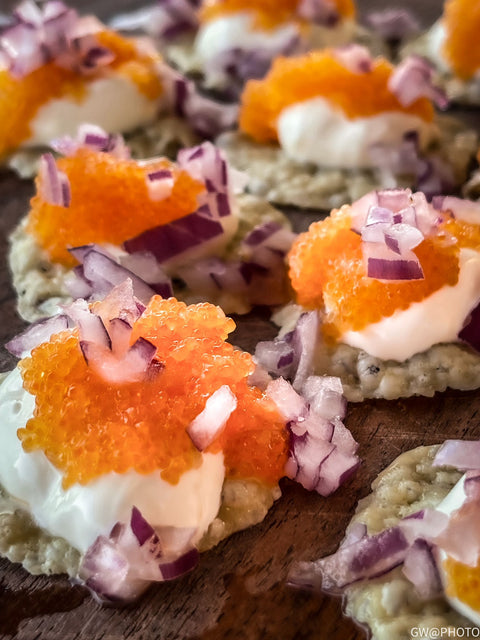
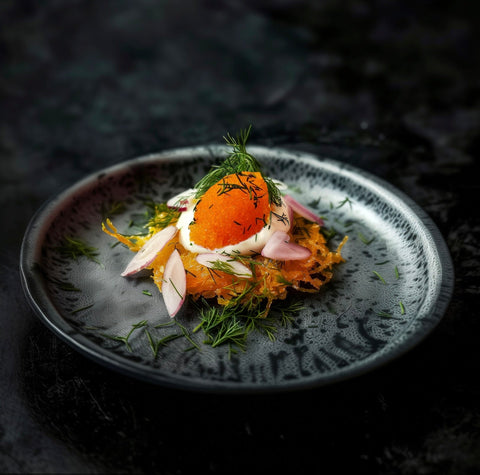
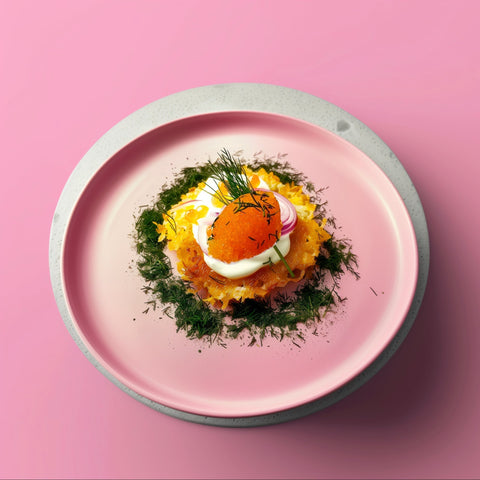
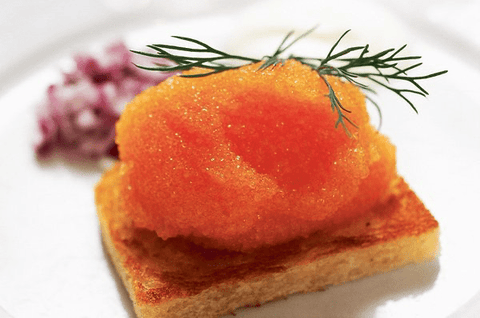
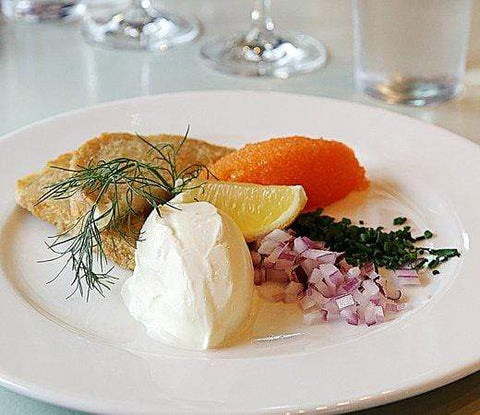
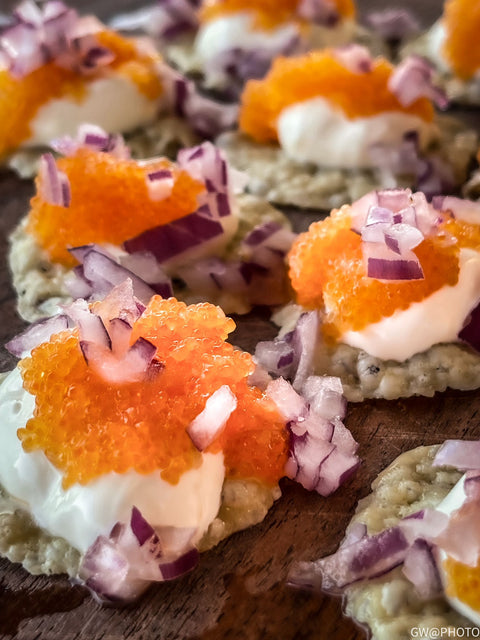
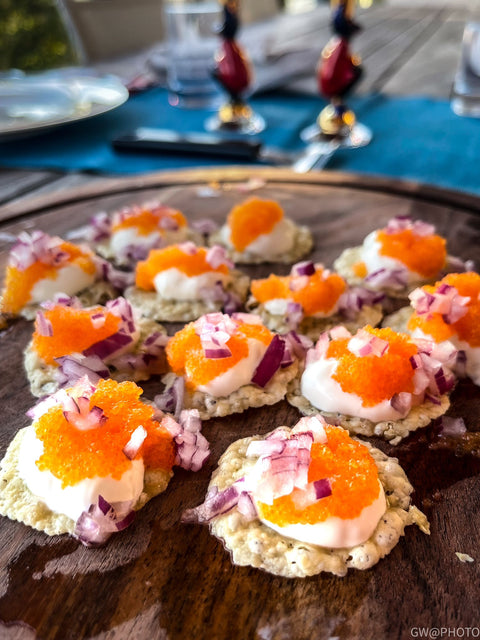
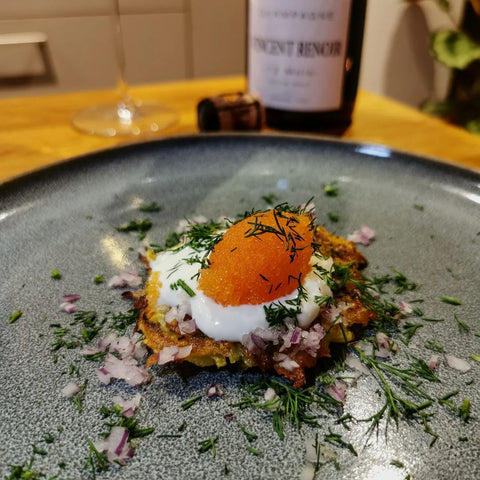
Small, naturally orange and delicately salty, löjrom is often served in the simplest ways: with sour cream, finely chopped red onion, dill, crispy potatoes or a slice of toast. But behind that elegant spoonful is a story shaped by cold coastal waters, traditional fishing and careful preparation.
At Swedishness, we have already explored the return of löjrom and what makes Kalix löjrom so special. This time, we are going a little deeper, into the details that make this Scandinavian delicacy much more than just fish roe.
Löjrom is the roe of vendace, known in Swedish as siklöja and scientifically as Coregonus albula.
Vendace is a small fish from the salmon family. It lives in freshwater and coastal environments, including the brackish waters of the Gulf of Bothnia.
The fish itself may be modest in size, but its roe has an important place in Swedish food culture. In northern Sweden, the autumn vendace season has traditionally been connected to fishing communities, local food knowledge and the careful preparation of roe.
What arrives on the plate as a luxurious ingredient begins with a small, silvery fish from the North.
The name Kalix Löjrom does not refer to just any vendace roe.
In 2010, Kalix Löjrom received Protected Designation of Origin status from the European Union. This means that its production is connected to a specific geographical area and a defined traditional method.
The vendace used for Kalix Löjrom is caught in a particular part of the Gulf of Bothnia, in the waters between the Torneå River estuary in the north and the Åby River estuary in the south, extending no more than 40 kilometres from the coast. The land area is associated with the municipalities of Piteå, Luleå, Kalix and Haparanda.
The entire preparation process must also take place within the protected region.
So, while vendace roe can come from other places, only roe that meets the official geographical and production requirements can be called Kalix Löjrom PDO.
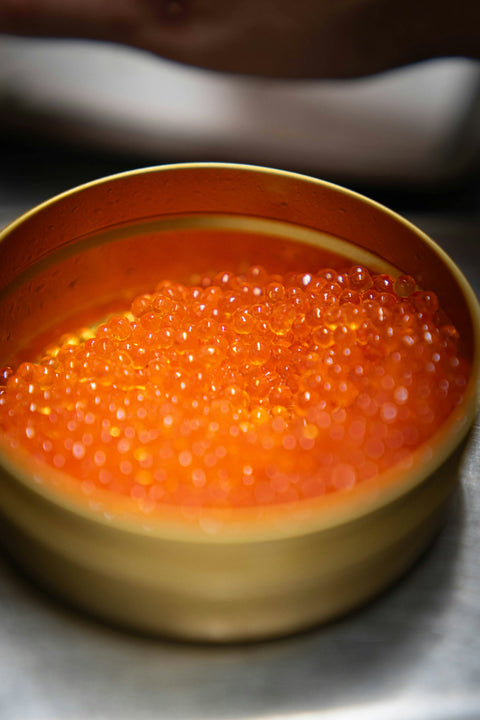
One of the most recognisable features of Kalix löjrom is its vivid orange colour.
The characteristic shade of Kalix Löjrom is naturally linked to the vendace’s diet and the environment where the fish live. The local feed available in the Gulf of Bothnia, together with the cold coastal waters, contributes to the product’s distinctive appearance and flavour.
The colour is not simply a visual detail.
It is part of the story of where the roe comes from.
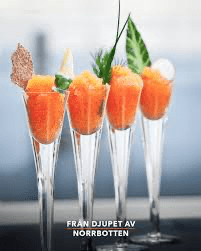
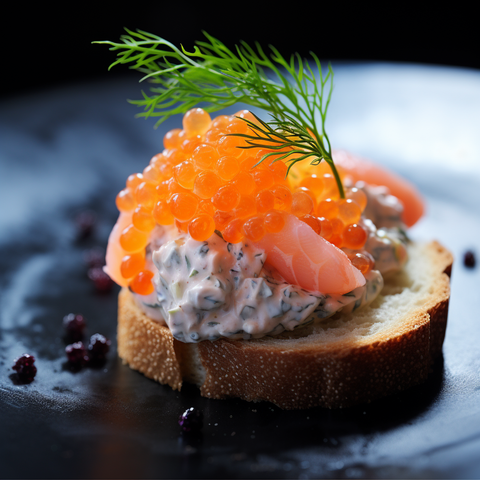
Freshness is essential to the traditional production of Kalix Löjrom.
Once the vendace is caught, the roe is extracted on the same day. It then goes through several stages, including rinsing, whisking, sieving, drying, salting and cleaning.
This process requires experience and precision. The roe must be handled carefully to preserve its delicate texture while removing unwanted material.
Approximately 4% salt is added during production. The result is a product with a mild, rounded flavour and a gentle salty character that distinguishes Kalix Löjrom from many other types of roe.
The process may sound straightforward, but the quality depends heavily on timing, technique and local expertise.
Löjrom is closely connected to the autumn fishing season.
According to the official description of Kalix Löjrom PDO, the fishing period lasts approximately five weeks, and the size of the roe changes during that time.
The eggs are described as measuring around 0.8 millimetres during the first week and reaching approximately 1.3 millimetres by the fifth week.
That detail reveals something interesting about the ingredient: löjrom is not completely static throughout the season.
Its texture and appearance can develop as the fishing period progresses, reflecting the natural rhythm of the vendace and its environment.
Our 2025 version captures one particular season of that tradition, carefully prepared and preserved so it can be enjoyed beyond the short fishing period.
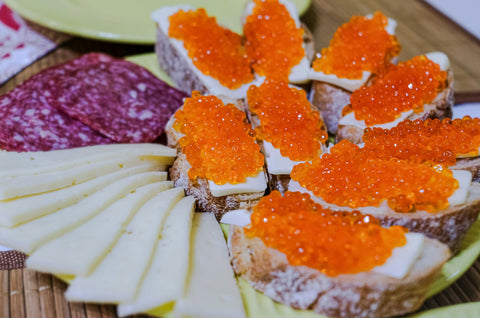
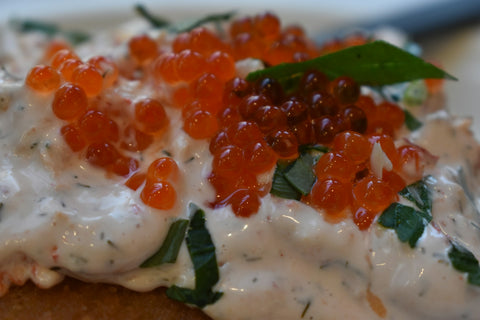
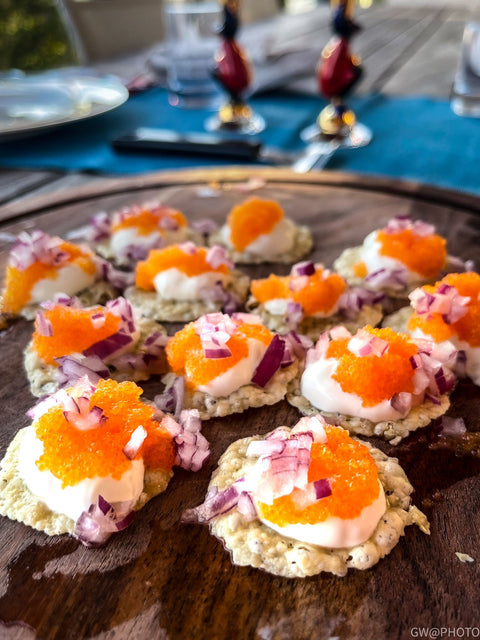
In Sweden, löjrom is often paired with uncomplicated ingredients:
These combinations are not meant to overpower the roe. They create a balance of creaminess, acidity, freshness, salt and crunch while allowing the delicate flavour of the löjrom to remain central.
A spoonful of sour cream softens the saltiness. Red onion adds sharpness. Potato brings warmth and texture. Dill adds freshness.
The result is elegant without being complicated.
And perhaps that is part of the Scandinavian appeal: when an ingredient is already exceptional, the best approach is often to give it space.
Löjrom is sometimes described as a luxury ingredient, but its story is more grounded than extravagant.
It comes from a small fish, a specific coastline and a limited autumn season. Its distinctive colour is shaped by the local environment, while its final character depends on careful handling and traditional knowledge.
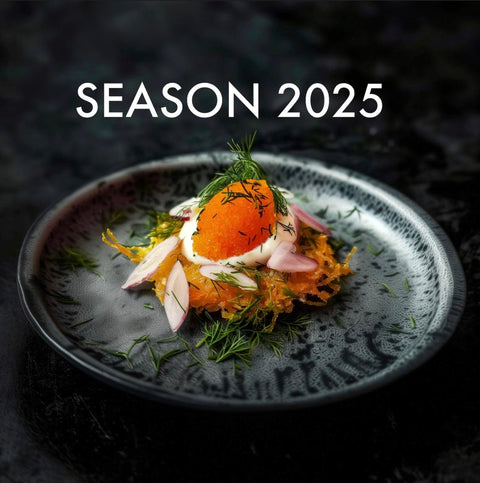
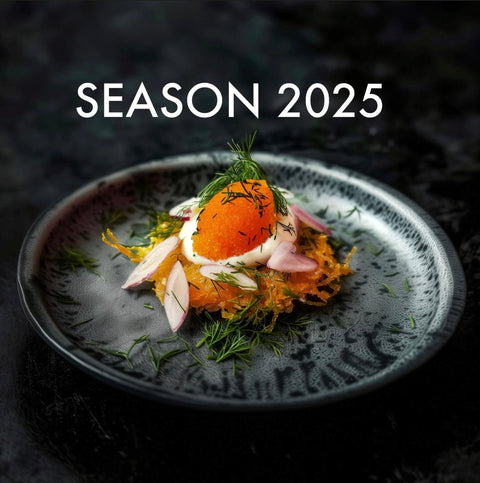
Our 2025 Kalix Löjrom allows you to enjoy that tradition beyond the original fishing season, whether you serve it at a festive dinner, add it to a classic Swedish råraka or keep it simple with sour cream, red onion and dill.
It is not simply about the roe itself.
It is about the place, the water, the season and the people who know how to treat it.
A small, bright reminder of the North naturally orange, delicately salted and ready to bring a taste of Scandinavia to your table.
For a classic Scandinavian presentation, serve löjrom with:
Keep the accompaniments simple and serve the roe chilled. The goal is to complement its delicate flavour and texture, not to hide it.
The fishing season may be short, but the tradition can be enjoyed all year round.