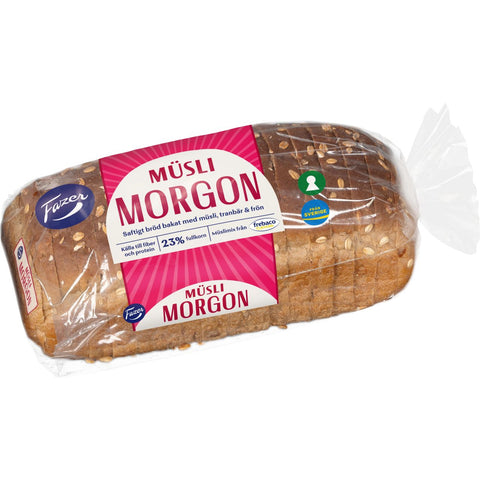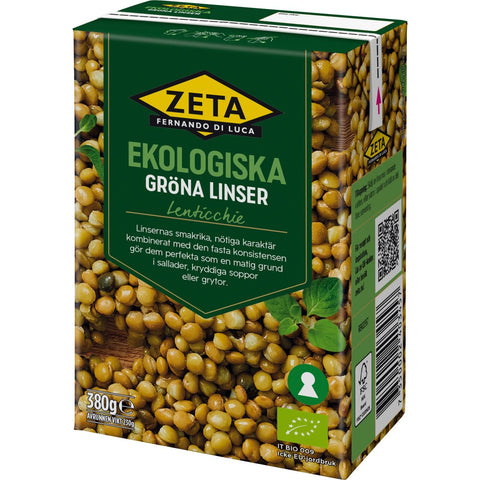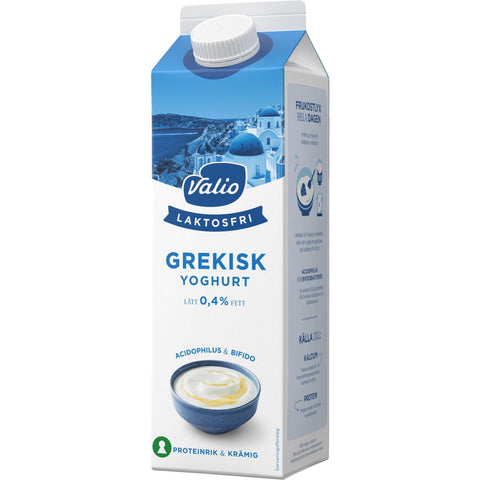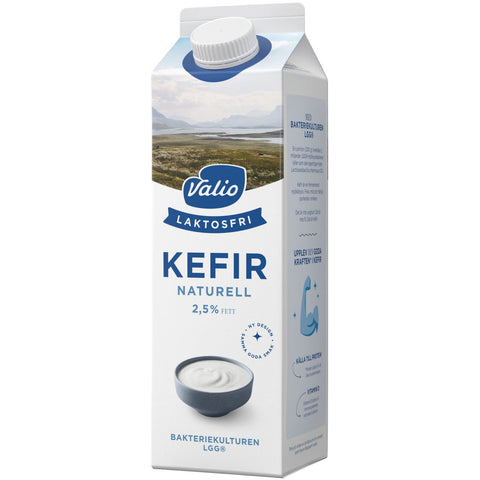


Regular price




The Calendar of Small Returns
When summer leaves the table, Sweden begins the quiet work of keeping it.
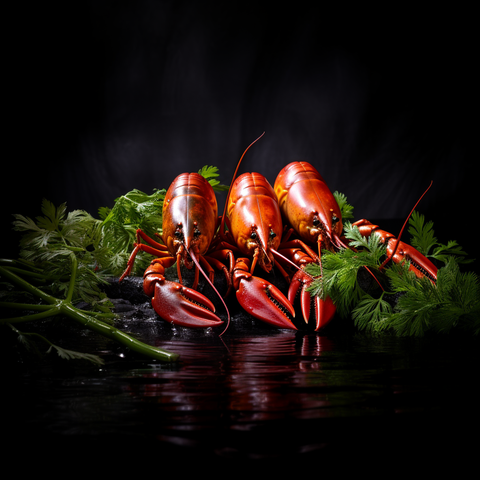
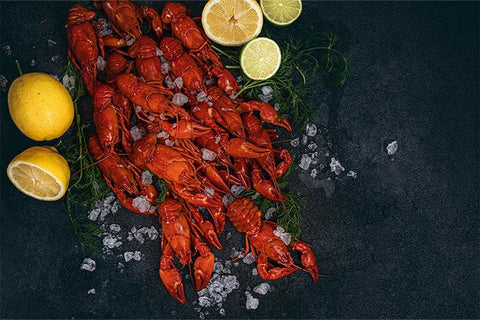
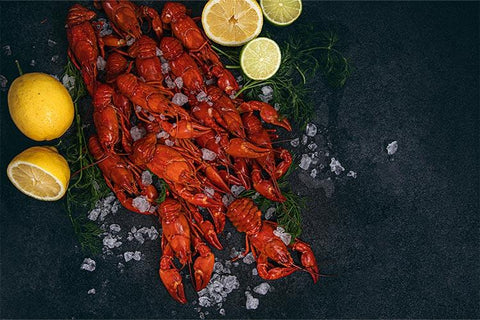
There is a particular evening in late August when a Swedish summer decides it is finished. No one announces it. The candles in the paper lanterns burn a little faster because the air has thinned, someone reaches for a sweater that has waited on a chair since June, and the crayfish shells pile up in the middle of the table like the ruins of a small red city. The songs are sung one more time. Then the plates go inside, and the door stays closed a few minutes longer than it did in July.
This is not an ending so much as a handover. Sweden runs on a calendar that has very little to do with the one on the wall, a calendar of first strawberries and last swims, of the day chanterelles appear at the market and the evening candles begin to matter again. It is a calendar of small returns. Nothing on it happens only once. Everything comes around again, if you can hold still long enough.


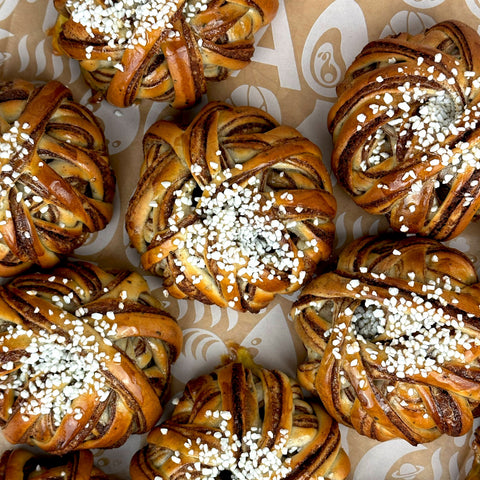
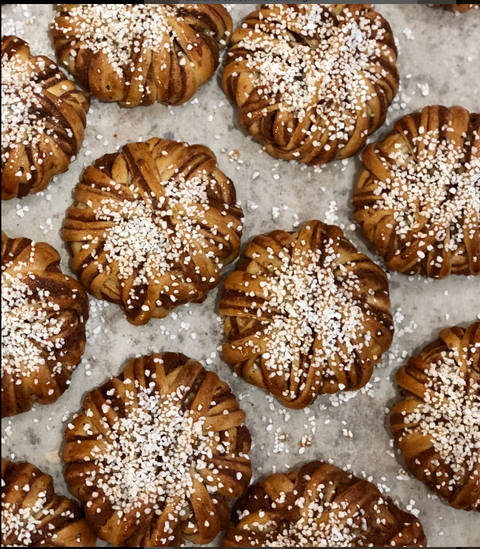
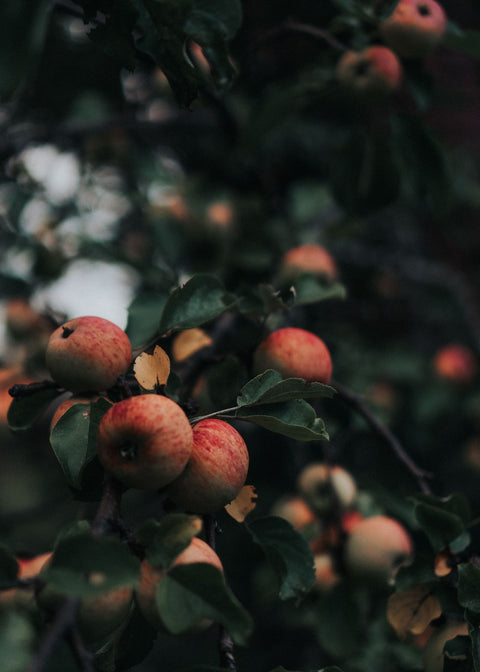
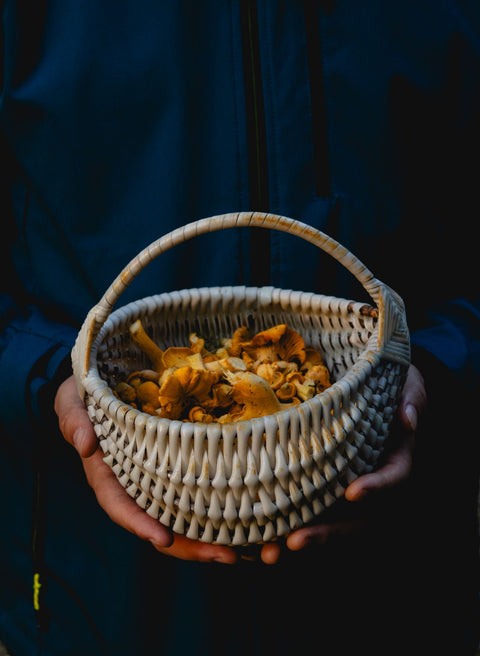
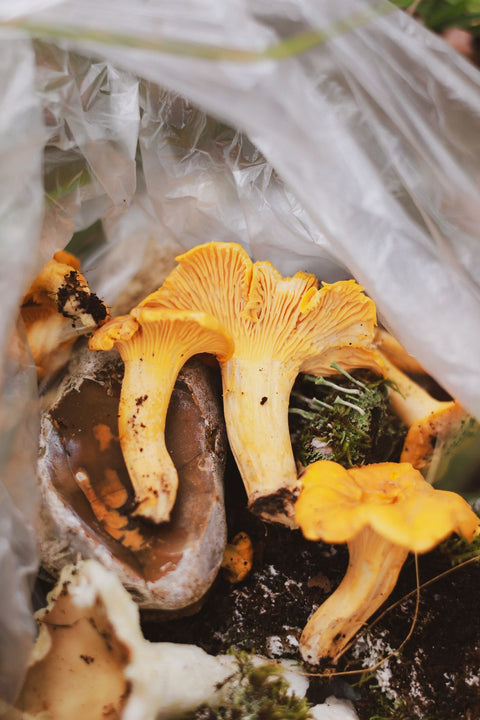
And then the season fills the space it cleared. Mushrooms first, the secretive economy of chanterelle spots, guarded more carefully than bank details. Then apples, so many apples, appearing in paper bags on doorsteps because no household can eat everything one tree decides to give.
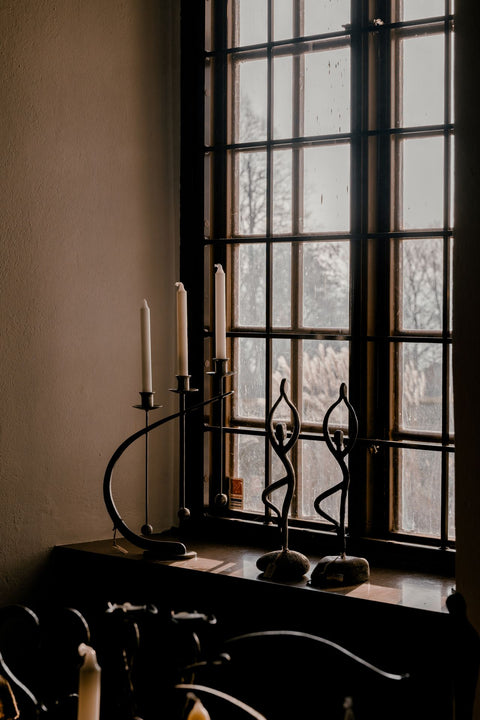
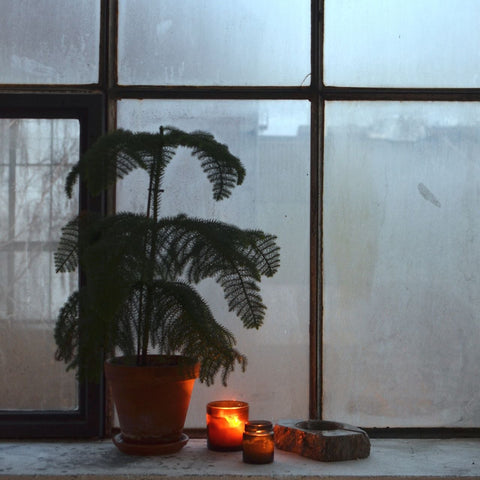
The coffee changes character without changing brand. It is the same cup, but it has moved indoors, and it lasts longer, and there is more often something beside it. Candles migrate from the cupboard to the windowsills, and the darker the sky becomes, the more deliberate the light feels.
This is the part of the Swedish year that outsiders sometimes misread as compensation, as if the candles and cinnamon were a brave face put on for the dark. It is the opposite. The dark is what makes the ritual legible. A candle at midsummer is decoration, a candle in October is a statement. Autumn does not console anyone for summer. It teaches a different way of paying attention: closer, warmer, at shorter range.


Autumn’s arrival is usually described as a gain: colour, harvest, abundance. But it begins, honestly, with subtraction. The long light goes first, in increments small enough to deny for a week or two. Then the outdoor tables are folded and carried to the shed. The berries thin out along the forest paths. The last crayfish gathering has a way of knowing it is the last; there is an unhurried quality to it, everyone lingering slightly too long, as if the evening could be stretched by refusing to stand up.
It is tempting to grieve all this in a general way, but the Swedish instinct is more precise than grief. It makes an inventory. What exactly is leaving? The light, yes. The warmth, yes. But the taste of summer that, it turns out, is negotiable.
Here is the thing the calendar knows that we keep forgetting: very little that leaves in Sweden leaves forever. The light comes back. The tables go outside again. The crayfish return in August, and with them the paper hats, lanterns and songs. The people singing are a year older, but the ritual recognises them.
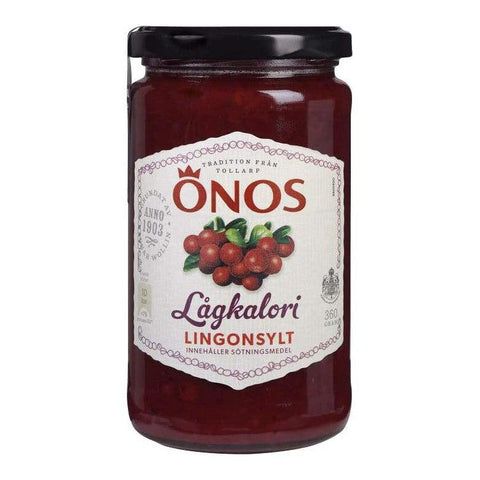
Return is not repetition. The summer that comes back is never quite the summer that left. The jam does not taste exactly like the berry. The bun from the freezer does not taste precisely as it did on the day it was baked. The person who opens a box of Swedish groceries in another country is not quite the person who first left.
What returns is changed by having been away, and still recognisable. Perhaps that is the only kind of return worth trusting: not the impossible one, where everything is restored exactly as it was, but the seasonal one, where something comes back in its own time, in its own altered form, and is welcomed anyway.
This is why preserving matters, and why it is done in August rather than in the hungrier months. You keep things not because you know the exact day you will want them, but because winter is long and certainty is not the point. The jar asks nothing. It does not need to be opened on any particular day. It sits on its shelf through the dark season, holding its small quantity of summer, content to wait, and its patience is not passive. It is a form of faith with a lid on it.
So the tables come inside, the candles come out, and somewhere a cupboard door closes on a row of jars that will outlast the darkness. The calendar turns, as it always does, toward the season of keeping, and, further along, toward the season of return.
Some summers end. Others simply learn another way to remain.