

Regular price

The Art of Swedish Christmas Baking: Why Saffron and Gingerbread Belong in December
December in Sweden is a time of warmth and light emerging from deep winter darkness. In this season traditional Swedish pastries fill bakeries and homes with comfort. One unmistakable aroma is that of saffron buns and gingerbread. These flavours are woven into Swedish Christmas traditions: golden lussekatter (saffron buns) for St. Lucia’s Day, and crisp pepparkakor (gingerbread cookies) throughout Advent and Christmas. Together with coffee and the ritual of fika, they create the festive spirit that brightens the dark Swedish winter.
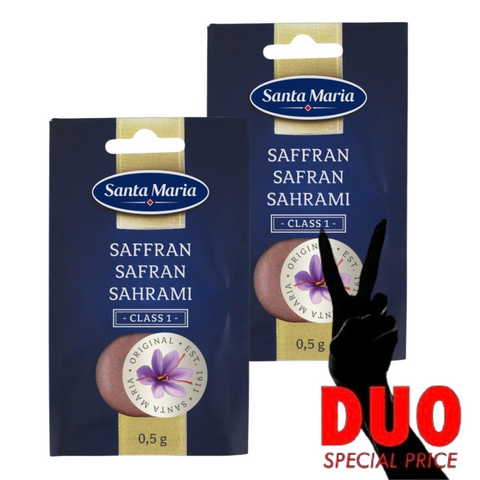
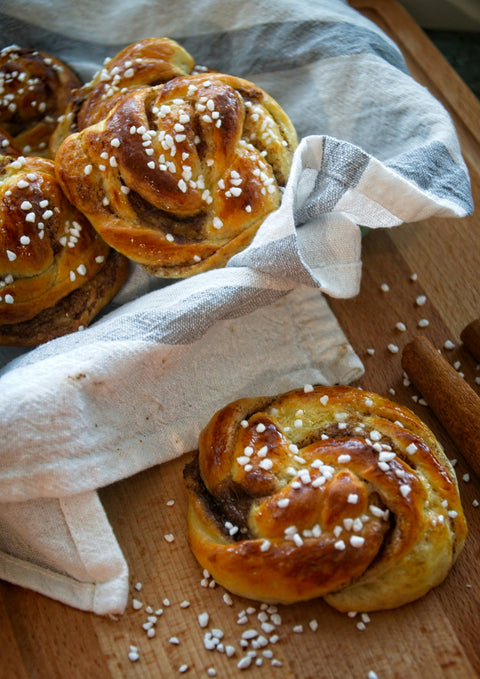
On 13 December Swedes celebrate St. Lucia’s Day, the “festival of light” in the darkest time of year. In homes and schools, a candlelit procession of children in white gowns brings dawn into the darkness. The star of this morning is lussekatter – golden-yellow saffron buns shaped into curled S-forms with raisins for eyes. These traditional Swedish pastries are baked from late November through December and “peak on Lucia morning”. Their vivid colour and floral saffron scent are as emblematic of Swedish December as candlelight. The name lussekatt (“Lucia cat”) and its classic S‐shape (some say representing a curled cat or the letter S) reflect old folk meanings, though the true origin of the shape is obscure. What remains clear is the link to St. Lucia: “Along with gingerbread, saffron buns are a seasonal treat Swedes make for Advent and Lucia in the run-up to Christmas”. The saffron itself – the world’s most precious spice – has been used in Swedish festive baking for centuries, adding a touch of luxury to this candlelit feast.
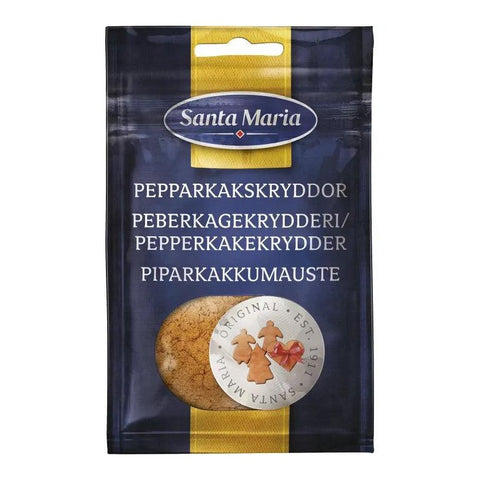
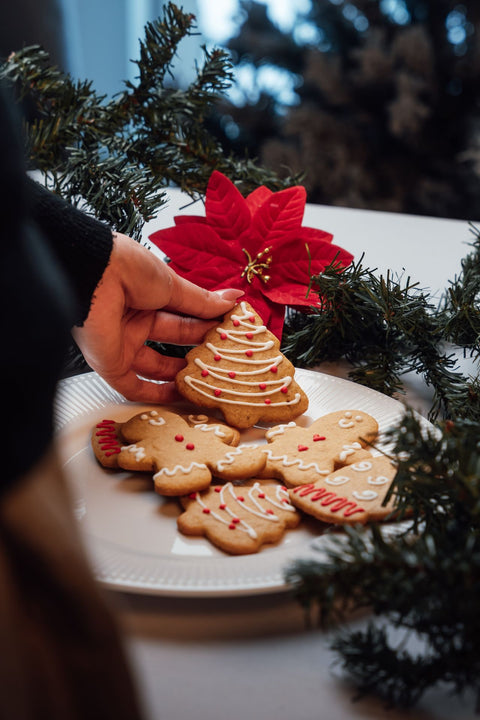
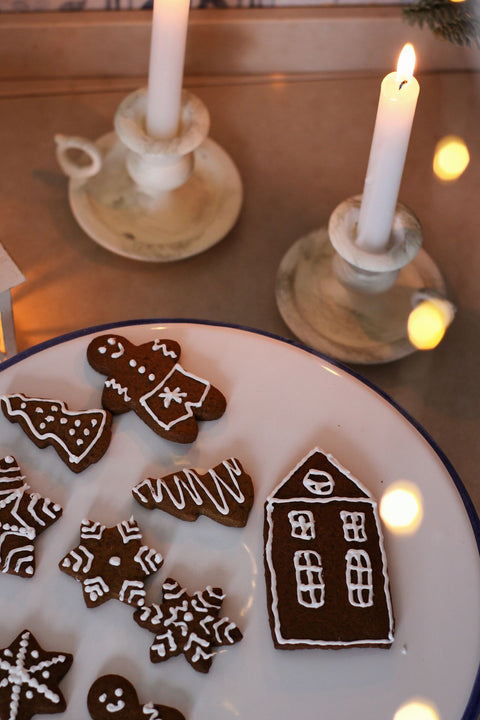
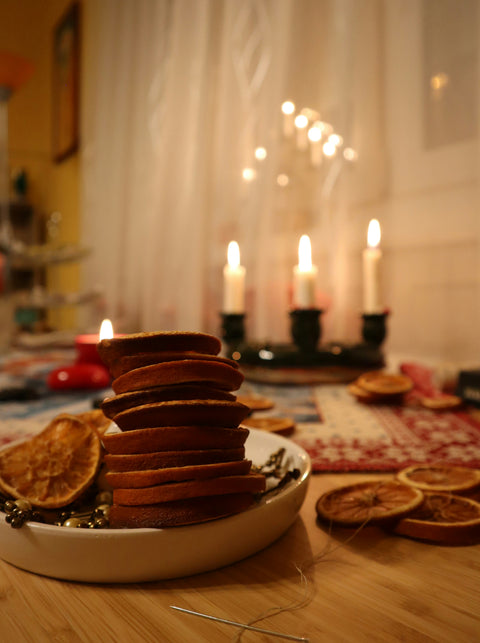
Hand in hand with saffron buns go the spicy pepparkakor. These thin, crisp gingerbread cookies – flavoured with ginger, cinnamon, cloves and often cardamom – are everywhere in December. Swedish households and schools take great pride in baking and decorating them: cutting out stars, hearts, Christmas trees and gingerbread people. The smell of pepparkakor baking is a hallmark of the season. Legend and history intertwine here too: as StockholmMuseum notes, “Few things are more Swedish at Christmas than the smell of pepparkakor in the oven”. By late November the spice jars are open, and the kitchen fills with warm scents “as much a part of Advent as the candles in the window or the Lucia songs on the radio”.
Pepparkakor have deep roots: spiced breads date back to medieval times. In fact, “spiced biscuits have been made in Sweden since at least the 15th century, when spices…were expensive, prestigious ingredients associated with both festivity and medicine”. Over centuries, gingerbread went from monasteries and apothecaries to family kitchens. Today it’s a beloved household tradition: “Making Swedish ‘pepparkakor’…is a tradition many Swedish families will do every Christmas,” writes Visit Sweden. Families share the fun of rolling out dough and using cookie cutters; some even build elaborate gingerbread houses that stay on kitchen tables well into the new year. Pepparkakor are enjoyed with strong coffee or mulled glögg on cold afternoons, hung on the Christmas tree as edible ornaments, or packed into tins as gifts – truly a traditional Swedish pastry of the season.
At the heart of Swedish winter is fika – the cherished ritual of coffee (or tea) and something sweet. Fika is not just a break; it’s “a moment to pause, connect and recharge – often more about the company and conversation than the coffee itself”. During the long December evenings, a warm fika becomes especially comforting. Picture a family gathered around a table with steaming mugs and freshly baked buns: this scene is a hallmark of Swedish life. Indeed, fika is woven into daily routines: offices schedule fika breaks and families expect one together at home.
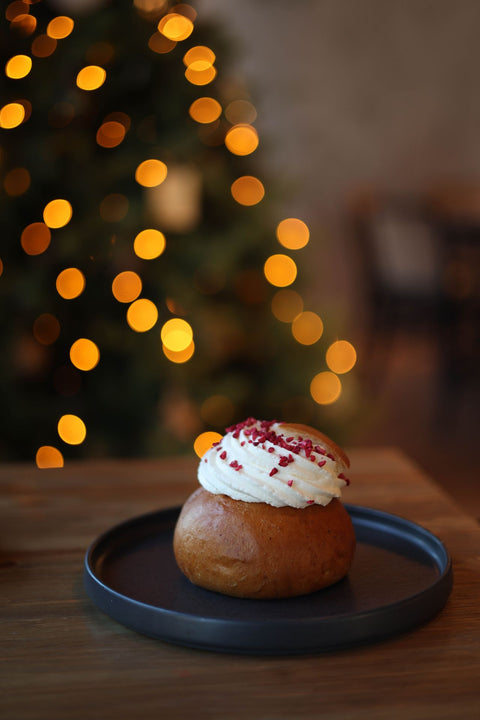
Winter adds a special coziness. As one travel guide puts it, “in winter you can enjoy the cosy atmosphere of elegant Swedish cafés. As soon as springtime returns, the Swedes take their fika outside”. Bundled up, Swedes savor indoor warmth – often sharing a kanelbulle (cinnamon bun) or kardemummabulle (cardamom bun) and even semla (cream bun) during the season. A steaming cup of coffee and a warm cake slice – whether saffron-flavoured or spiced with ginger and cinnamon – “brightens even the darkest of winter days”. In short, fika is part of the Swedish spirit: “it isn’t optional – it’s part of everyday life… social, restorative, and deeply tied to…community”.
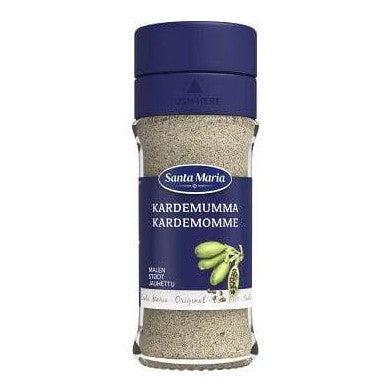
No Swedish winter treat is complete without its spices. Saffron, cinnamon, cardamom, ginger and cloves are the classic flavours of Nordic baking. Saffron – once a luxury import – gives Lussekatter their signature golden hue and floral note. Cinnamon and cardamom perfume coffee buns and cakes (think kardemummabullar and kanelbullar). And the warm kick of ginger and cloves defines Christmas cookies and cakes. Historically these spices were prized for both taste and health: 15th-century Swedes even used ginger, pepper, cloves and cinnamon in medieval biscuit recipes, as they were believed to “aid digestion and warm the body”. Today the tradition lives on – rolling gingerbread dough wafer-thin, dusting icing sugar on cakes, and brewing mulled wine spiced with cinnamon and cloves. As one food writer notes, Nordic pastries “carry warmth and seasonal freshness” into daily life, with cinnamon and cardamom “offering comforting warmth, while saffron adds a bright, celebratory note”. These spices create the rich aroma that is “one of the most recognizable scents of the Swedish Christmas season”.
Christmas baking is above all a shared tradition. In many Swedish homes, the lead-up to Christmas is marked by the rhythm of Advent and baking days. Grandparents and parents teach children to shape gingerbread stars and saffron swirls, to decorate cookies with icing, and to knead cardamom into yeast dough. The kitchen becomes a workshop of joy and tradition: packing cookies into tins to give as gifts, setting trays of buns next to Lucia candles, and placing gingerbread houses under the tree. These practices reinforce traditional Swedish Christmas culture – an appreciation for homemade pastries that turn everyday baking into family ritual.
After all, the Swedish approach to the holidays is as much about togetherness as it is about treats. Families may rise early on Lucia morning to share freshly baked lussekatter, while afternoons are reserved for a collective fika of buns and cake. Even lighting the Advent candles often goes hand in hand with pulling a warm cake or cookies out of the oven. In restaurants and markets, visitors encounter this heritage too – from plates of saffron buns to tins of pepparkakor – evidence that Scandinavian Christmas baking is part of the national story of winter and wonder.
Each of these recipes brings a taste of Scandinavian Christmas desserts into your home. Baking them not only yields delicious pastries, but also connects you to centuries-old Swedish holiday customs. Enjoy a slice of Swedishness with your next fika – you might just find that saffron’s golden glow and ginger’s spice make December feel a little brighter.