
Regular price

Fettisdagen & Semla: Sweden’s Most Anticipated Pastry Day
Every year, sometime between winter and early spring, something magical happens in Sweden. Bakeries fill their windows with fluffy buns, social media turns into a parade of cream-filled pastries, and one question suddenly matters a lot more than usual: where did you eat your semla this year?
Welcome to Fettisdagen, one of Sweden’s most loved food traditions, and the day dedicated to the iconic semla.
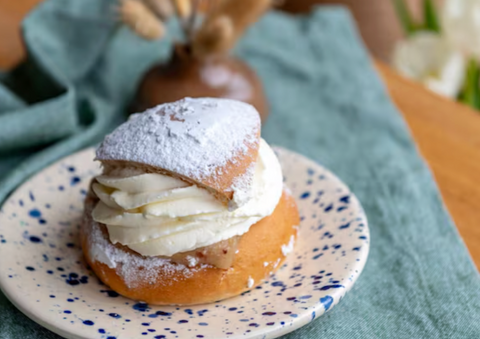
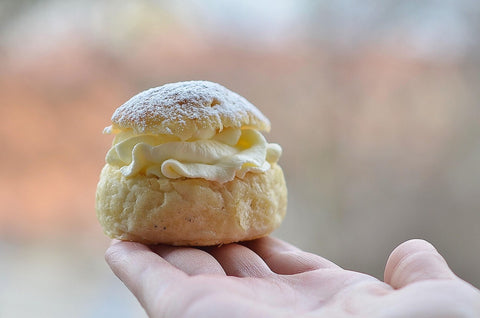
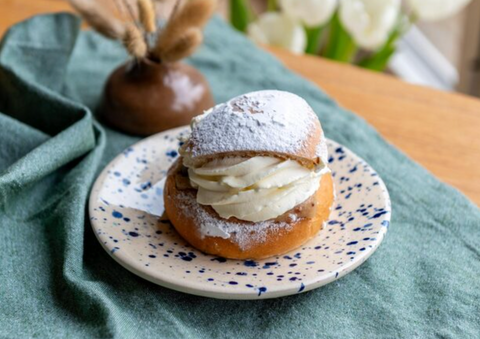
In Sweden, Shrove Tuesday is known as Fettisdagen – which directly translates to “Fat Tuesday” and it has one primary cultural significance: eating semlor. The tradition dates back to at least the 16th century, when these rich buns were enjoyed as a way to fatten up before the 40-day Lent fast. In olden times, strict religious observance meant abstaining from indulgent foods during Lent, so Fettisdagen was the grand finale of eating well. Today, Sweden is largely secular and few strictly observe Lent, but the custom of celebrating Fettisdagen with a semla remains stronger than ever – more about joyful tradition than religious duty. In fact, the day is sometimes playfully nicknamed Semmeldagen, meaning “the day of semlor,” because the semla is so central to the festivities. Offices, schools, and families across the country will gather for fika (coffee break) and sink their teeth into this beloved pastry on Fettisdagen, relishing a moment of cozy indulgence in the late winter.
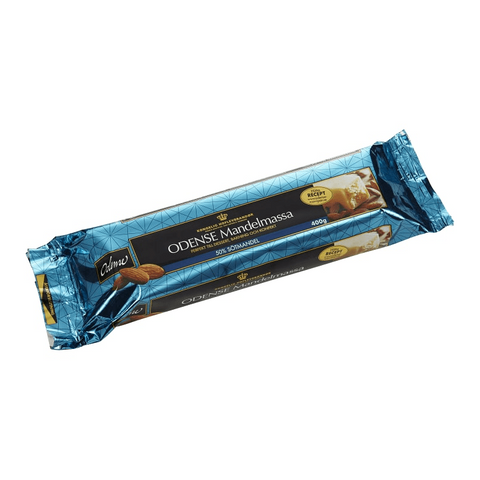
The semla may be a humble bun, but it has a fascinating history. With roots over 500 years old, the semla has evolved from a simple bread into the creamy delight we know today. The word semla originally referred to a plain wheat bun no filling, just a spiced bread roll. In the early days, this bun was quite plain and dry, so people found a creative way to make it more enjoyable: serving it in warm milk with a pat of butter or cream. This practice gave rise to hetvägg, a dish where a semla is soaked in a bowl of hot milk to soften it. By the 18th and 19th centuries, as ingredients like almonds and cardamom became more affordable in Sweden, the semla filling grew more luxurious – ground almonds (or marzipan) mixed with milk and sugar, tucked into the bun and topped with a generous cap of whipped cream.
One legendary episode underscores just how indulgent semlor can be. King Adolf Frederick of Sweden loved semlor so much that according to popular myth he died in 1771 after eating 14 portions of hetvägg (semlor in hot milk) on top of an already enormous meal. While historians debate the details, the tale is often told with a smile a testament to the semla’s rich decadence. It’s easy to imagine how heavy the old-style semla (essentially enriched buns drenched in milk) could be, lending some credence to the King’s cautionary story!
Originally meant to be enjoyed only on Fettisdagen, semlor were a once-a-year luxury tied to pre-Lent feasting. Records show that huge three-day feasts, complete with meats and breads, took place before the Lent fast in centuries past, and semlor made their appearance during these celebrations. Over time, however, the strict rules relaxed. After the Protestant Reformation (when Sweden broke from the Catholic Church), people felt freer to indulge more often than just the one Tuesday. By the 1800s, Swedes had begun enjoying semlor on multiple occasions leading up to Easter sometimes every Tuesday in Lent, or simply whenever the craving struck. The semla transitioned from a rare treat to a seasonal staple during the late winter months.
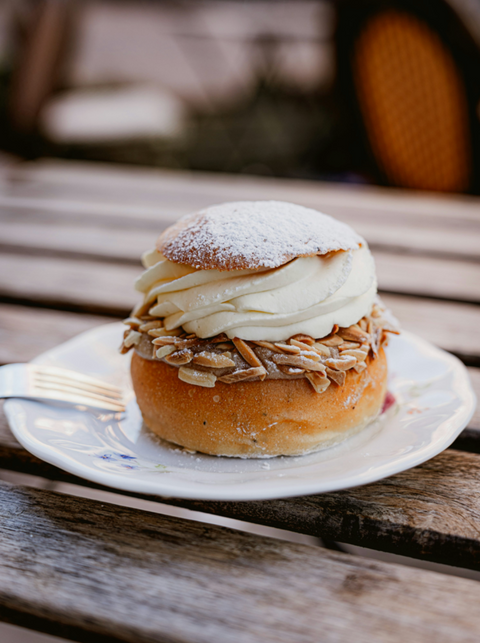
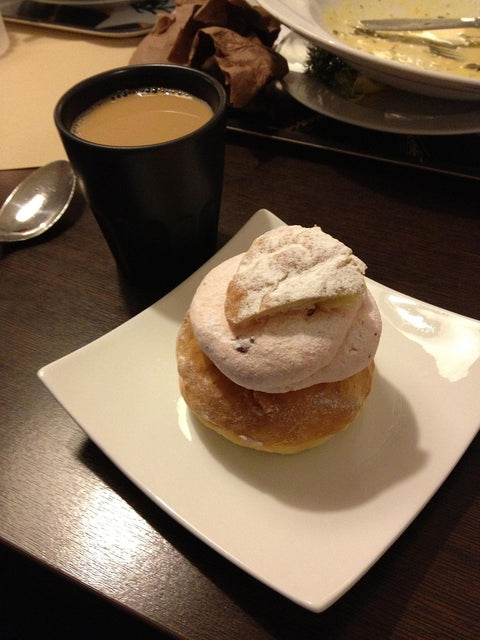
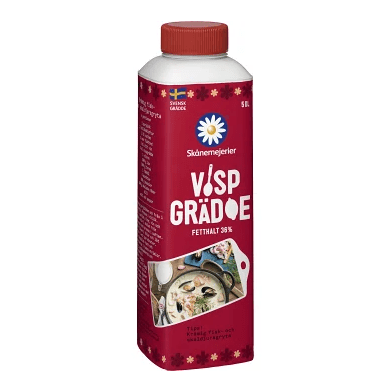
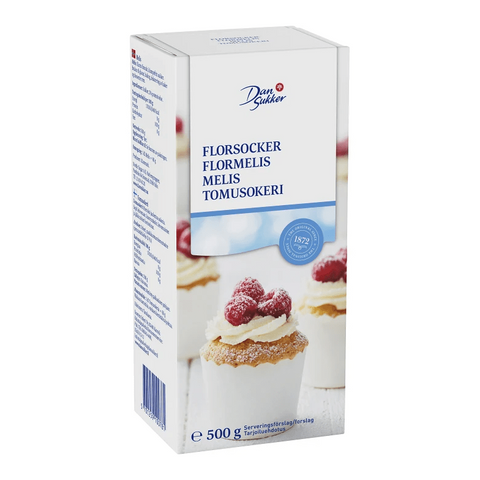
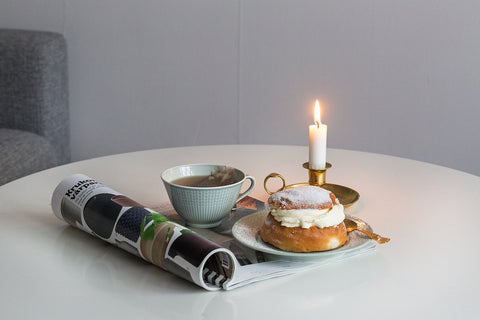
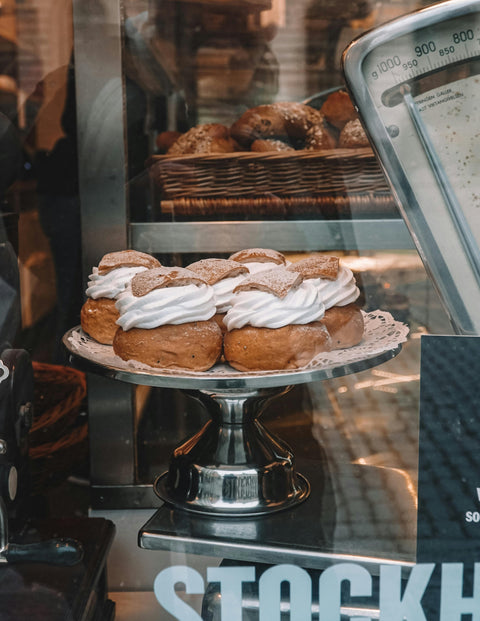
Today’s classic semla is both simple and sublime. It consists of a soft, sweet cardamom-spiced bun with its top sliced off, hollowed slightly and filled with a luscious almond paste, then crowned with fluffy whipped cream. The little “lid” of the bun is placed back on top as a hat, often dusted with powdered sugar for an elegant finish. It’s a beautiful contrast of textures and flavors – the earthy spice of cardamom, the nutty sweetness of almond, the light richness of cream. Traditionally, the semla is enjoyed as a dessert or alongside a cup of coffee as a fika treat. In fact, many Swedes savor their semla with coffee or tea as the perfect accompaniment, a moment of cozy comfort on a cold February day.
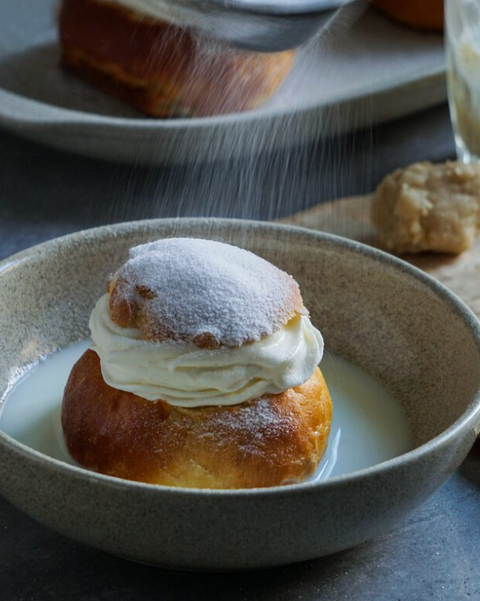
One interesting variation in semla etiquette is whether to enjoy it plain or in a bowl of warm milk. Serving a semla in warm milk, the old-fashioned hetvägg style, is less common now but still cherished by some. This practice is said to be more popular in northern Sweden (perhaps owing to the long, cold winters where a warm, milky treat was especially comforting). Generations past would often eat semlor this way, and it remains a personal preference for some families and older Swedes. If you try hetvägg, you simply place the semla in a bowl and pour heated milk around it – the bun soaks up the milk, creating a soft, soothing pudding-like dessert. Many Swedes today, however, skip the bowl and prefer to have a cold glass of milk on the side (to sip between bites) or no milk at all. There’s no right or wrong – it’s all about how you love your semla. The majority likely eat it straight up, enjoying the contrast of the fluffy bun and creamy filling without any dunking. But it’s fun to know that the “hot wall” tradition of hetvägg lives on in pockets, a nod to the way semlor were savored in times gone by.
Regional terminology also adds color to the tradition. In Stockholm and most of Sweden it’s semla (plural semlor), but travel to the far south and you might hear it called fastlagsbulle, meaning “Lent bun”. (In Swedish-speaking parts of Finland, that name is common too.) No matter the name or serving style, the semla’s cultural significance is the same – it’s the star of Fettisdagen and a beloved symbol of Swedish culinary heritage.
Like all beloved classics, the semla has been reimagined in countless ways:
Some purists insist the classic version reigns supreme. Others see Fettisdagen as a moment for playful creativity. What matters is that the semla remains seasonal, special, and shared.
That balance between respect for tradition and openness to change is very Swedish.
In a fast-paced world, Fettisdagen offers something rare:
a collective pause.
It’s a reminder that food can mark time, carry history, and connect generations. Whether you buy your semla from a bakery, eat it at work with colleagues, or prepare it at home, you’re participating in a tradition that has lasted for centuries.
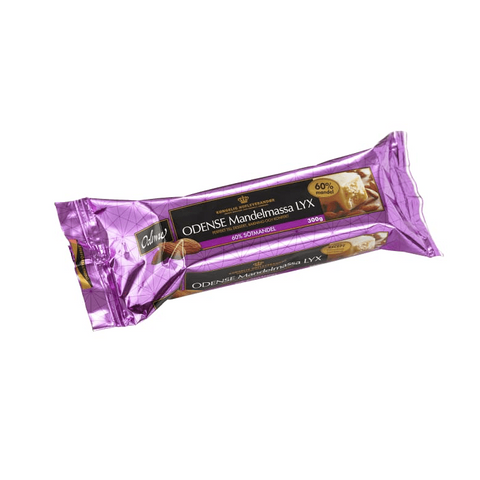
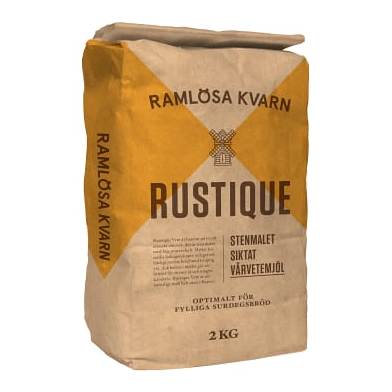
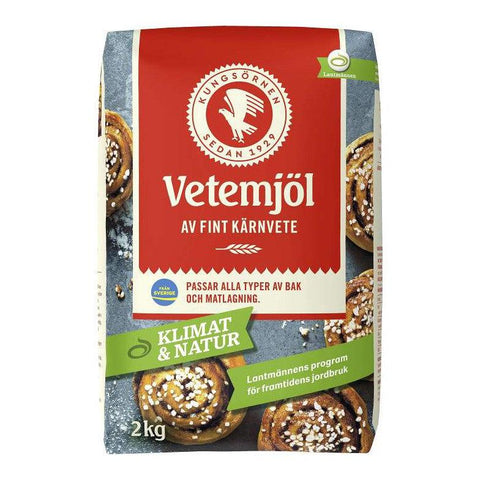
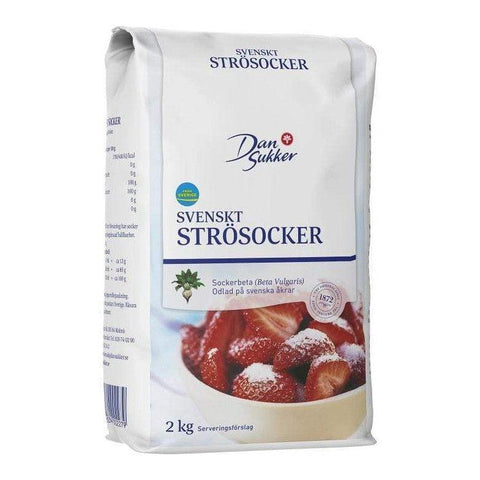
At Swedishness, we love traditions that invite you not just to taste Sweden, but to experience it. Soon, we’ll be sharing carefully selected products that allow you to create your own semla moments at home wherever you are.
Because some traditions are too good to be limited by borders.