Then there is the ladle, with a dark stain, the murder weapon? A rumour is started: there is a killer out there draining its victims of blood: The Atlas Vampire.
Now look at the room again. The neatly folded clothes. The door through which someone left. What did Lilly see when she opened it? You try to picture someone coming down the stairs and stepping into Stockholm, becoming one person among thousands. Someone who knew the whole evening while everyone else would be left with fragments.
Investigators follow names and question the people they lead to. No one is convicted. The voice on the telephone never acquires a face.
There was a whole life around that room before it became a crime scene. What had Lilly expected from the evening? What would she have done the next day? We have the aftermath. We cannot sit beside her before the telephone rang.
People say time sorts everything out. It has had nearly a century here...
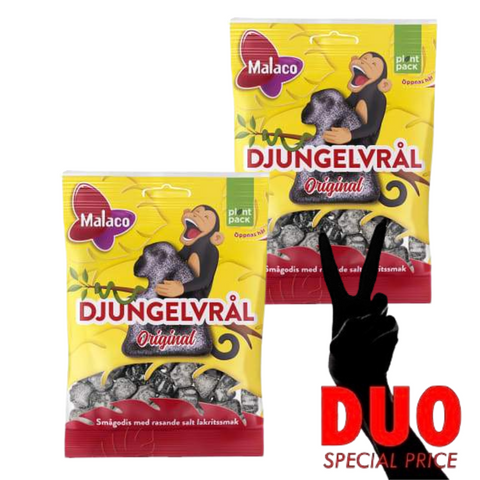
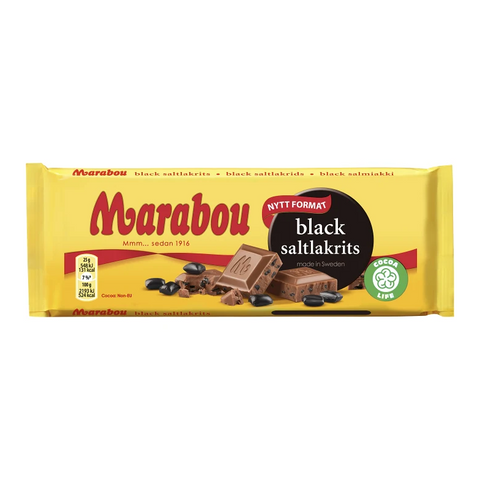
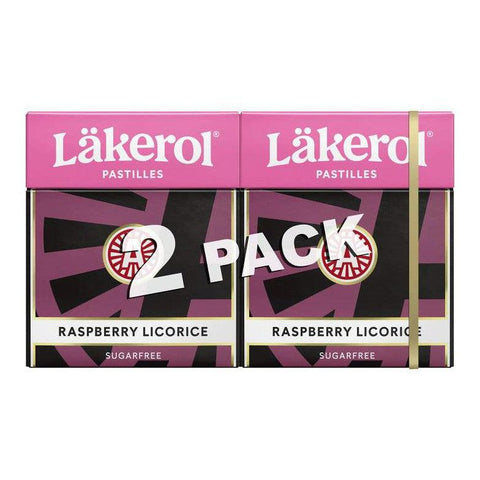
Something black for the evening
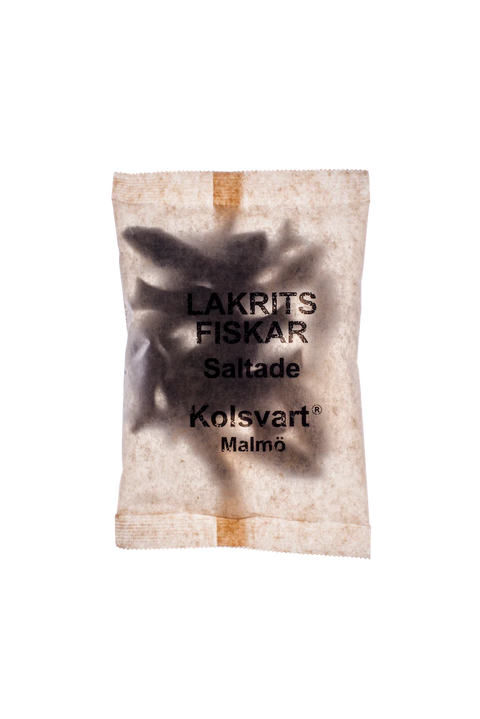
Outside your window, autumn has arrived. Rain against the glass. A lamp beside the chair. A Nordic crime novel open on your lap, and a bowl of black liquorice within reach.
Noir you can taste.
Sweet at first, almost gentle. Then the salt enters like a second character, and everything changes. There are soft pieces, sharp ones, familiar favourites and those that make you stop for a moment before taking another.
At Swedishness, the dark end of the sweet shelf is worth exploring. Choose something you know. Try something you don’t.
One more piece. One more chapter. The rain has stopped, though you cannot say when.
The detective state of mind
You can close the book without giving up the habit of looking.
A pause before someone answers. A change in a familiar street. The taste beneath the sweetness. A detective’s state of mind makes an ordinary day less ordinary. There is more happening than first meets our eyes.
Imagine you come across a photograph that looks familiar.
A lake in Switzerland. Majestic mountains reflected in water so still that they seem to stand twice. One lonely boat far out. Along the upper edge, a few leaves enter the frame.
Where have you seen that mountain?
You study the slope, then the angle the photograph was taken from. The leaves help you place the tree. Suddenly you know where you would have to stand to take the photograph. You know what is behind you.
A famous hotel. A promenade along the water. You remember walking along the promenade, the conversation finding its own pace beside the still lake. Then you remember what was said inside the hotel. The photograph has brought you back to something it cannot show.
Perhaps it was chosen simply because it was a beautiful landscape. A picture needn’t be a message to hold memories. You recognise the place; you cannot know its full meaning.
But you have glimpsed how much a picture can leave out. The same is true of a room, a street, a person. Whole worlds beyond the little that reaches us. Some known only to two people.
Most people see a landscape. You recognise a place, and a whole world comes back.
What else have you passed without looking...