
Regular price

This Swedish Easter Tradition Confuses Everyone Abroad
Easter in Sweden doesn’t arrive with grand celebrations or loud traditions. Instead, it unfolds quietly, following the natural rhythm of the seasons. The days grow longer, the light softens, and homes begin to reflect the arrival of spring through simple decorations birch branches placed in vases, adorned with colorful feathers, and small touches of yellow that echo the first flowers of the season. It feels calm, almost understated, and very much in tune with the Swedish way of celebrating. But step outside on the Thursday before Easter, and you might notice something that feels completely unexpected: children dressed as little witches, walking from door to door with painted cheeks and baskets in hand. Not for Halloween, but for Easter.
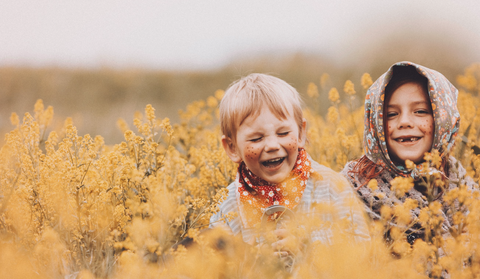
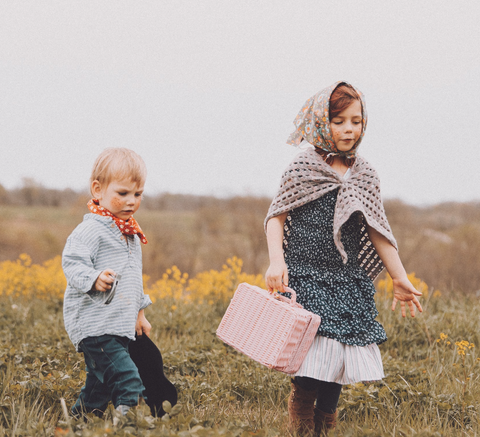
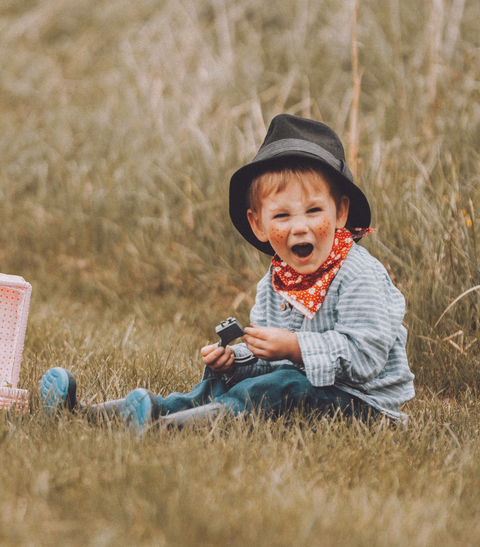
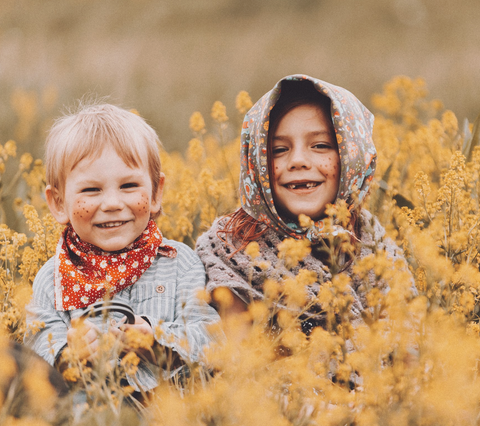
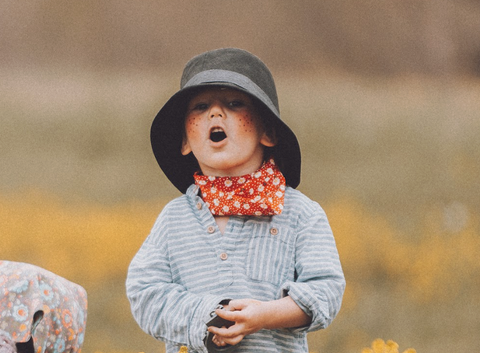
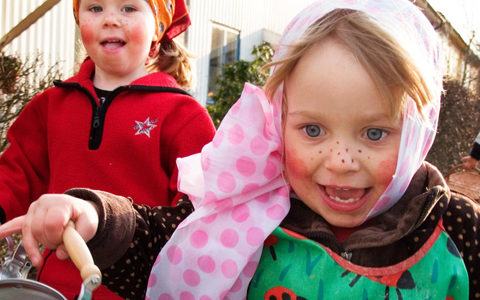
This tradition, known as påskkärringar, or “Easter witches,” is one of the most distinctive parts of Swedish Easter. It typically takes place on Maundy Thursday, known in Sweden as Skärtorsdagen, and is especially popular among younger children. Dressed in simple, old-fashioned clothing headscarves tied under the chin, aprons layered over dresses, and long skirts children transform into these gentle, storybook-like figures. Their cheeks are often painted with freckles or a rosy blush, adding to the charm of the costume. They walk through their neighborhoods, knocking on doors and offering handmade Easter drawings or small cards, and in return they receive sweets. The exchange is quiet and polite, more about participation and creativity than asking for something, and it creates a sense of connection within the community that feels both nostalgic and genuine.
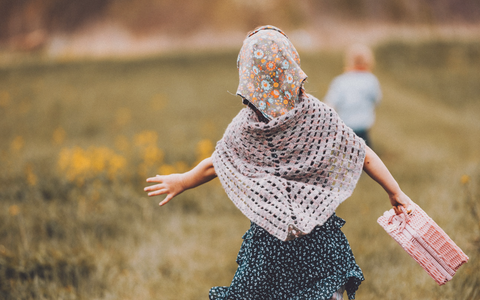
Behind this soft and playful custom lies a much older and darker story rooted in Swedish folklore. As early as the 16th and 17th centuries, people believed that witches would fly away on the Thursday before Easter to a mythical place called Blåkulla, where they would gather with the devil. These beliefs were taken seriously during a time marked by fear and witch trials, when accusations of witchcraft spread across communities. To protect themselves, people would light bonfires, make loud noises, and even fire weapons into the air in an attempt to scare the witches away before they could depart. While these practices may seem distant today, they form the historical foundation of what would eventually become one of Sweden’s most recognizable Easter traditions.
Over time, as society became more secular and belief in witchcraft faded, these traditions began to transform. What was once associated with fear gradually became part of cultural storytelling, and eventually something playful and harmless. By the 19th and early 20th centuries, children had started dressing as these “Easter witches,” and the act of going door to door evolved into a friendly exchange rather than a protective ritual. Today, the meaning has shifted completely: it is no longer about superstition, but about imagination, creativity, and community. This transformation reflects a broader pattern in Swedish culture, where traditions are preserved but softened, adapted to fit a more modern and relaxed way of life.
For many outside Sweden, this tradition feels surprising because it closely resembles Halloween. Children wear costumes, walk from house to house, and collect sweets all elements that are strongly associated with autumn celebrations in other parts of the world. And yet, the atmosphere is entirely different. There are no tricks, no attempts to scare, and no dark or dramatic costumes. Instead, the focus is on simplicity and kindness, with children offering something first in the form of drawings before receiving anything in return. This sense of exchange, rather than demand, gives the tradition a softer and more meaningful tone. It is familiar in structure, but completely different in feeling, which is exactly what makes it so intriguing to those discovering it for the first time.
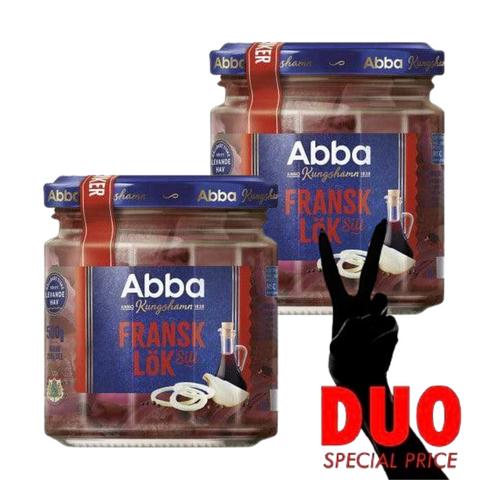
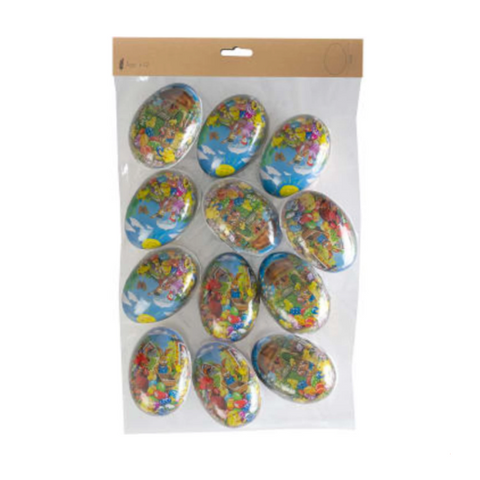
Today, Easter in Sweden is less about religious observance and more about marking the arrival of spring. It is a time to slow down, gather with family, and enjoy simple, seasonal rituals that bring a sense of calm after the long winter months. Homes are decorated with natural elements, meals are shared around tables filled with dishes such as eggs, salmon, and pickled herring, and candy plays an important role, often given in large decorative eggs filled with sweets. Within this atmosphere, the påskkärringar remain one of the most recognizable traditions not because they are loud or extravagant, but because they capture something essential about Swedish celebrations: a balance between tradition and simplicity, where even the smallest rituals carry meaning.
At its core, this custom tells a broader story about how culture evolves over time. What was once rooted in fear has been transformed into something warm and communal, showing how traditions can adapt without losing their identity. In Sweden, Easter is not defined by spectacle or excess, but by small, meaningful moments shared meals, simple decorations, and children walking from door to door with drawings in hand. And sometimes, in that quiet and understated setting, it looks just a little bit like Halloween only softer, calmer, and unmistakably Swedish.