
Regular price


🇸🇪 Things You Only Miss About Swedish Easter When You Move Abroad
You don’t really think about Swedish Easter when you’re living in Sweden. It’s just there quiet, familiar, almost predictable, woven into the rhythm of the year without asking for attention. It doesn’t try to be dramatic or impressive, and maybe that’s exactly why it feels so natural. It comes and goes in a way that feels effortless, like something you can rely on without ever questioning it.
But the moment you spend Easter abroad, something feels… off. Not in a way that ruins the holiday, but in a way that’s hard to ignore once you notice it.
There’s no single tradition missing, no obvious gap. Instead, it’s a collection of small details, subtle habits, and quiet moments that suddenly stand out things you didn’t even realize mattered until they were gone. And once you start noticing them, you can’t really stop.
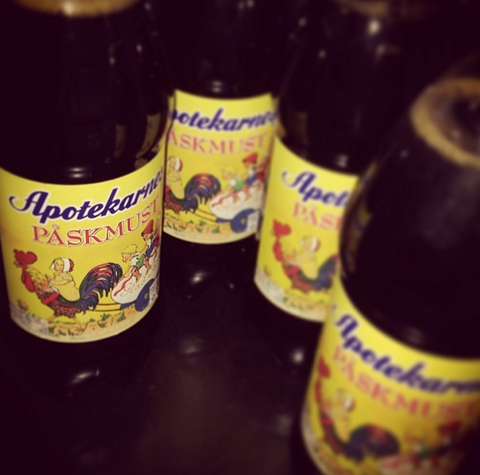
It’s hard to explain to someone who didn’t grow up with it. Dark, sweet, slightly spiced påskmust isn’t just another soft drink, it’s something deeply tied to memory and timing. It doesn’t exist all year round in the same way, which makes it feel even more specific to Easter.
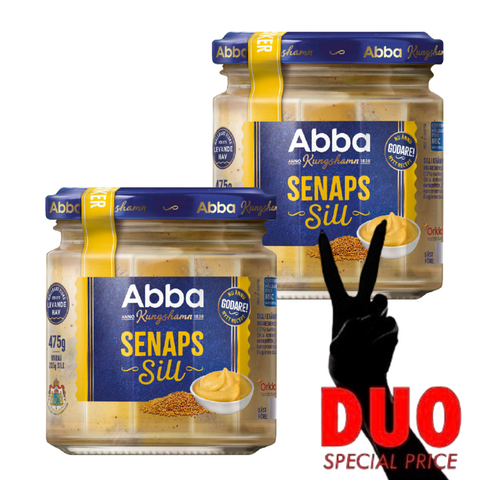
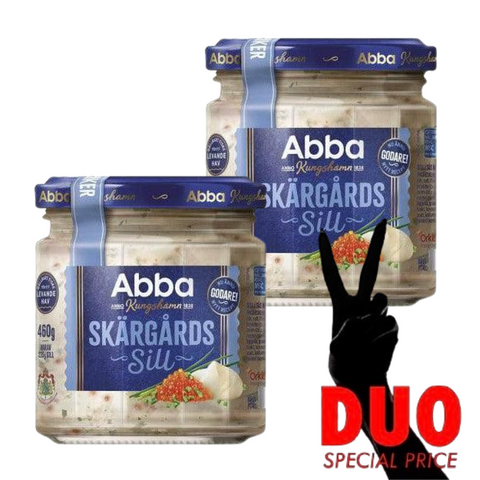
In Sweden, it appears without effort. Weeks before Easter, it fills supermarket shelves, sits stacked in crates, and quietly becomes part of everyday life. It shows up at family lunches, next to plates of eggs and herring, poured into glasses without much thought. You don’t question it you just expect it to be there, like it always has been.
Abroad, you might try to replace it. You look for something similar cola, root beer, maybe another dark soda but it never quite works. The taste is different, but more importantly, the feeling is missing.
Because it’s not really about the flavor. It’s about recognition. That first sip that instantly brings you back, that tells you without needing words: it’s Easter again, just like every year before.
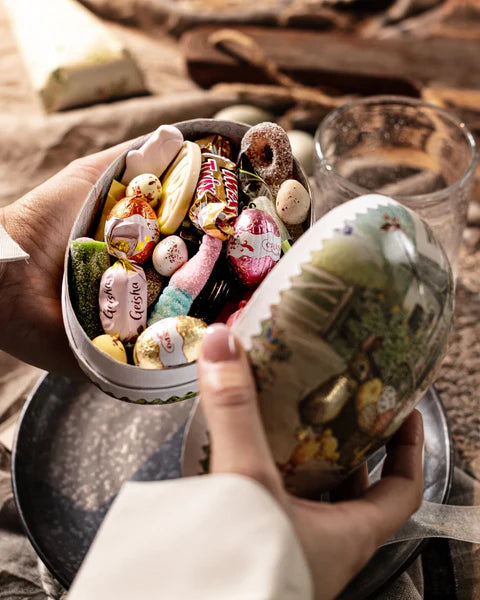
Easter candy exists almost everywhere, but it rarely feels the same as it does in Sweden. There, it’s not just about eating sweets it’s about choosing them, about creating something that feels personal.
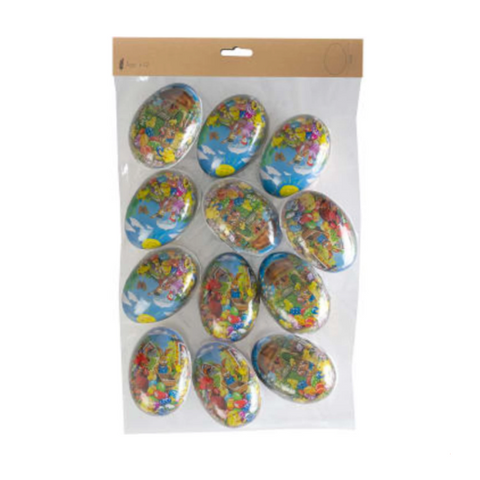
The lösgodis culture is a big part of that. Standing in front of rows of colorful options, taking your time, mixing textures and flavors exactly the way you like them. Sweet, sour, salty licorice, soft foam, chocolate each piece is chosen deliberately. And then it all goes into one big cardboard egg, not many small ones, but one that feels special, almost like a tradition in itself.
Abroad, candy often feels more standardized, more pre-packaged, more fixed. You don’t get the same freedom to create your own mix, and even when you find something similar, it doesn’t quite recreate the experience.
It’s not just about the candy itself it’s about the ritual, the familiarity of knowing exactly what you’ll pick every year, and the quiet satisfaction of opening that one big egg and seeing everything you chose inside.
Swedish Easter decorations are easy to overlook precisely because they’re so simple. There’s no need to overdo anything, no pressure to decorate every corner. Instead, it’s small, intentional details that create the atmosphere.
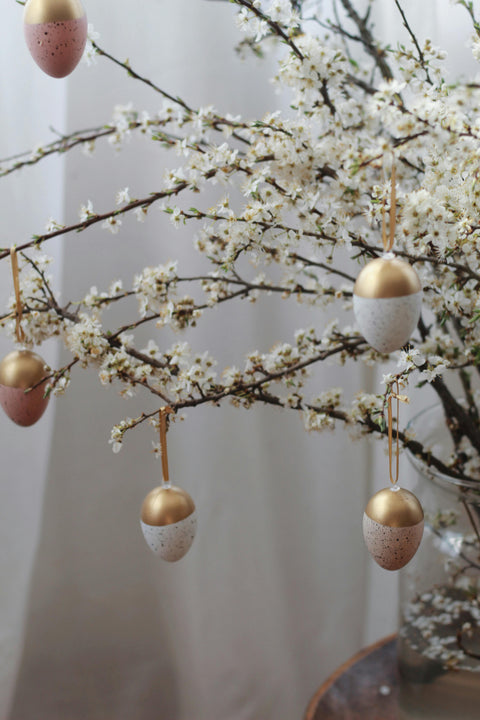
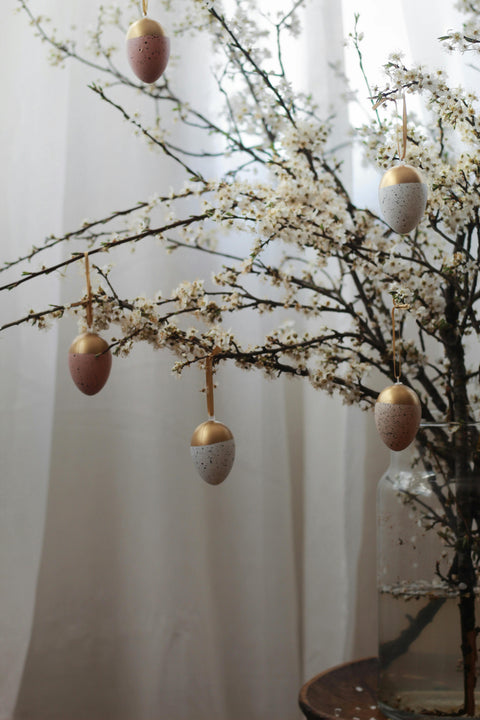
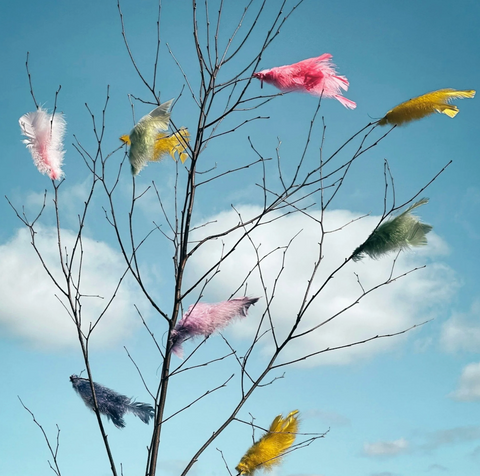
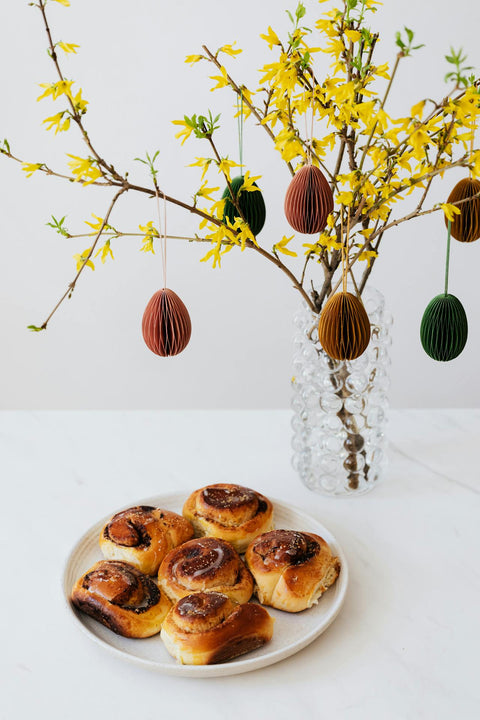
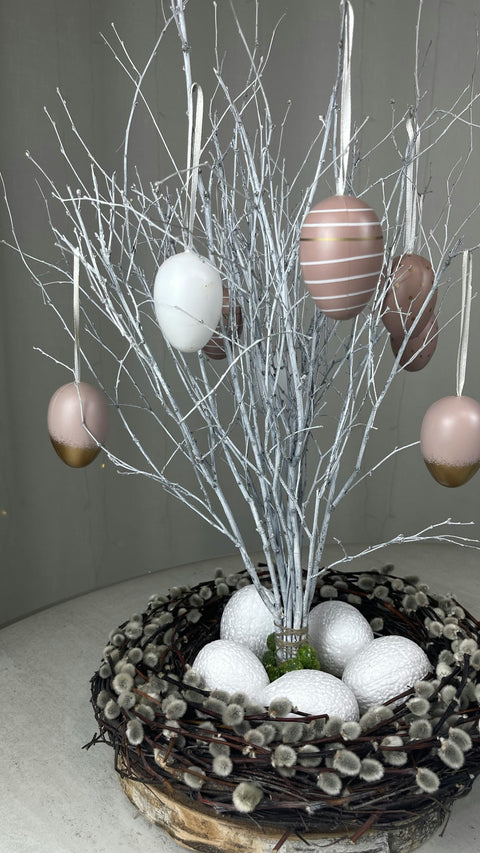
A few branches in a vase påskris decorated with soft, colorful feathers. Sometimes a couple of ornaments, maybe a hint of yellow somewhere in the room. That’s often enough. It’s usually placed by a window, where the natural light catches it during the day, making it feel alive without being overwhelming.
It doesn’t demand attention, but it changes the feeling of a space in a very subtle way. It signals that something is shifting that winter is slowly fading, that spring is close.
When you’re abroad, you might see more elaborate decorations, more themed displays, more color and effort. But they often feel different louder, more intentional. And that’s when you realize how uniquely Swedish this quiet approach is. It’s not about decorating for the sake of it, but about creating a feeling that blends naturally into everyday life.
Easter in Sweden isn’t just about traditions it’s tied to a very specific moment in the year. After months of long, dark winters, the return of light feels almost like a reward.
The days become noticeably longer, the sun lingers in the sky, and the light that enters through the windows feels different softer, yet brighter at the same time. It reflects off surfaces in a way that makes everything feel calmer, cleaner, more open. Even ordinary moments like sitting at the table or having coffee feel slightly different because of it.
It’s not something you can easily recreate somewhere else. Even if the weather is warmer abroad, or the days are already long, it doesn’t carry the same meaning. In Sweden, that light represents a transition. It marks the end of something heavy and the beginning of something lighter.
And when it’s not there in the same way, you notice it more than you expected.
Maybe the biggest thing you miss isn’t something you can describe in one word, but something you feel throughout the entire experience. Swedish Easter is never too much. It doesn’t try to impress, and it doesn’t create pressure. It exists in balance lagom.
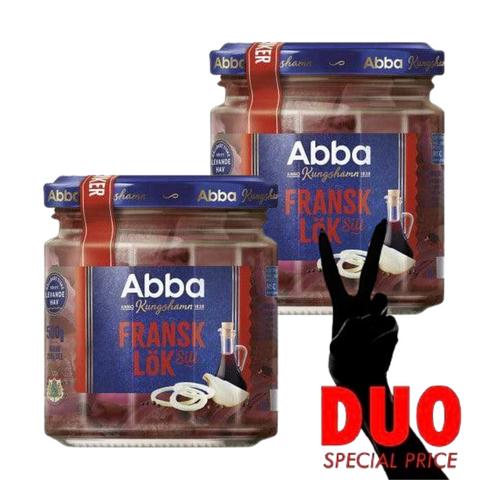
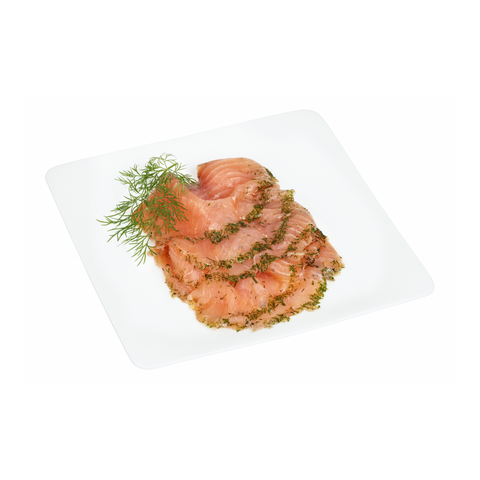
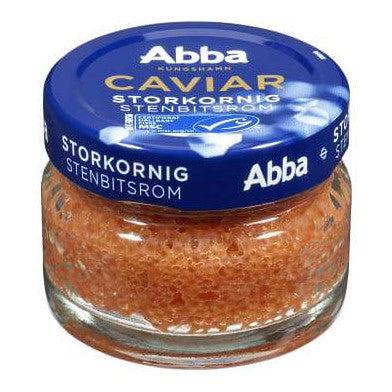
A simple meal, often centered around familiar dishes like eggs, salmon, and herring. A bit of candy, but not excess. Time with family, but without expectations of making it perfect. Maybe a walk outside, enjoying the fresh air and the slow arrival of spring.
There’s a sense that everything is enough as it is. Nothing needs to be bigger, louder, or more elaborate.
Abroad, Easter can sometimes feel different more structured, more commercial, or more focused on doing things a certain way. And while that can be enjoyable, it highlights what’s missing. You start to miss that quiet balance, that feeling that things don’t need to be more than they are to be meaningful.
That’s what lagom really feels like. And it’s something you only fully understand once you’re no longer surrounded by it.