
Regular price

Is Kalix Löjrom Actually Better Than Caviar?
Caviar may dominate the global luxury food conversation, but in Sweden, a quieter competitor has risen to cult status: Kalix Löjrom, the delicately flavored roe harvested in the frozen northern waters of Norrbotten. Unlike traditional sturgeon caviar, which has been cultivated and commercialized across continents, löjrom remains deeply tied to place a wild, seasonal, and uniquely Scandinavian ingredient. This contrast has sparked an increasingly popular question in Europe’s culinary circles: Is Kalix löjrom actually better than caviar? To answer this, we explore taste, sustainability, tradition, and the Arctic magic that makes this product unlike anything else in the world.
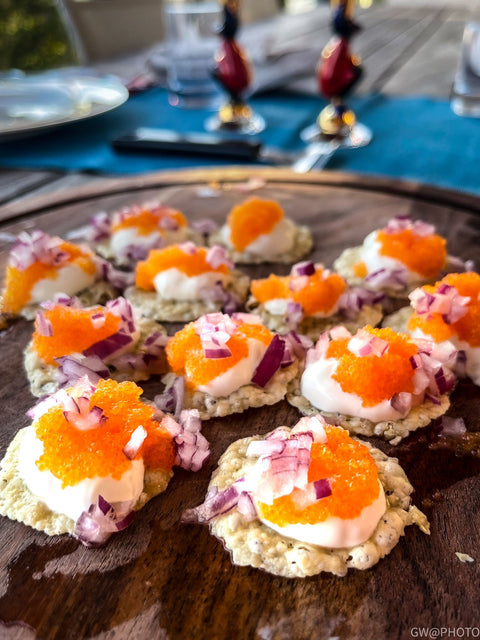
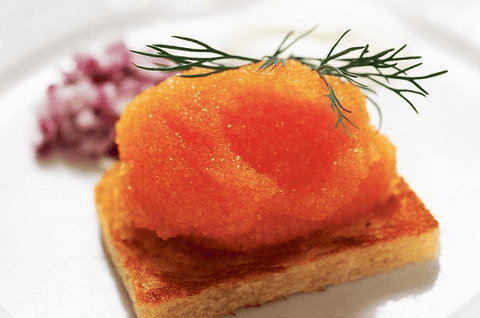
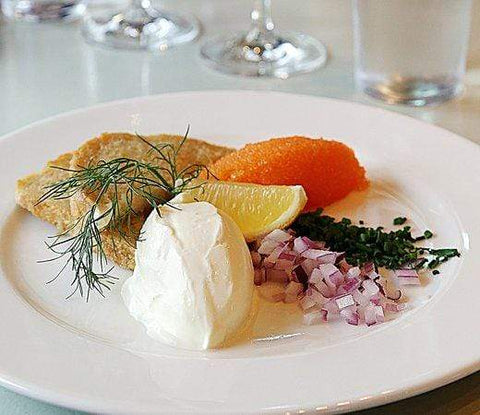
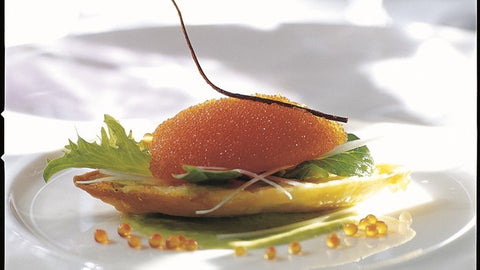
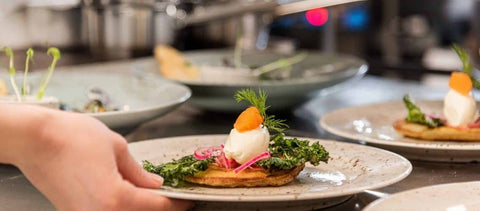
When comparing the taste of Kalix löjrom and classic sturgeon caviar, the difference is immediate and surprisingly dramatic. Traditional caviar often has a strong, salty presence, balanced by deep umami but sometimes overshadowed by a faint metallic or briny aftertaste. This intensity appeals to bold palates, but it can easily dominate a dish. Kalix löjrom, by contrast, is celebrated precisely for its restraint. The small, delicate eggs offer a clean and gentle marine flavor that reflects the purity of the Arctic waters where the vendace fish live. The taste is often described as lightly sweet and buttery, with a soft, subtle “pop” that melts rather than bursts aggressively. Chefs love it because it lifts a dish instead of overwhelming it, making it a choice for refined, minimalist plates where clarity and balance matter.
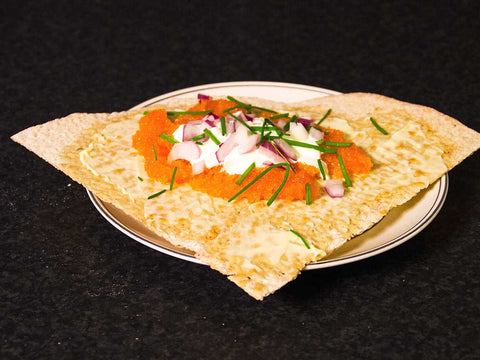
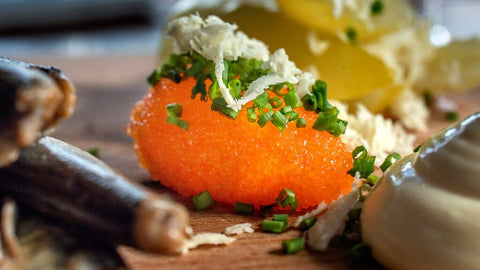
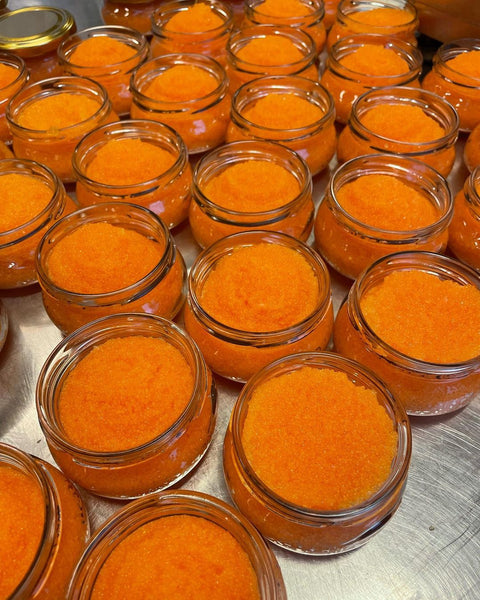
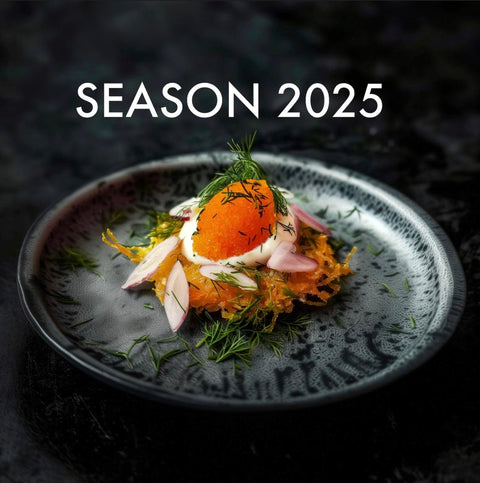
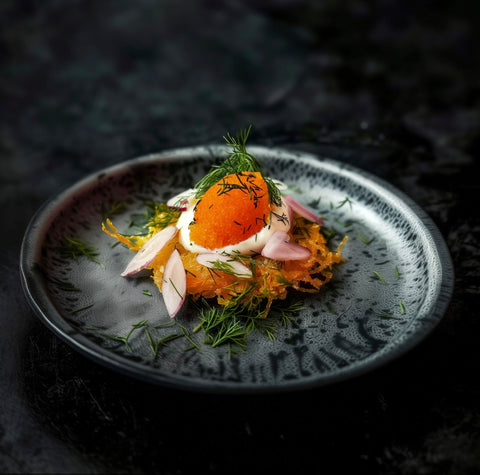
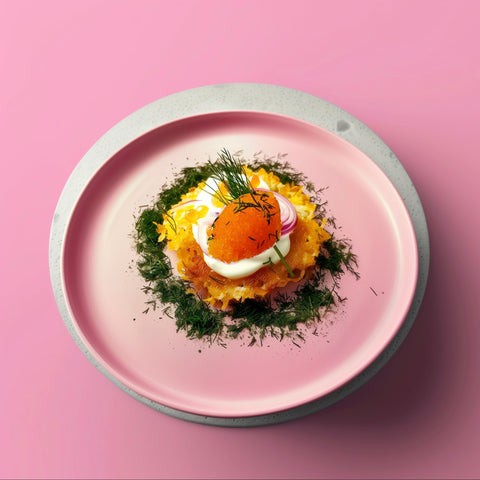
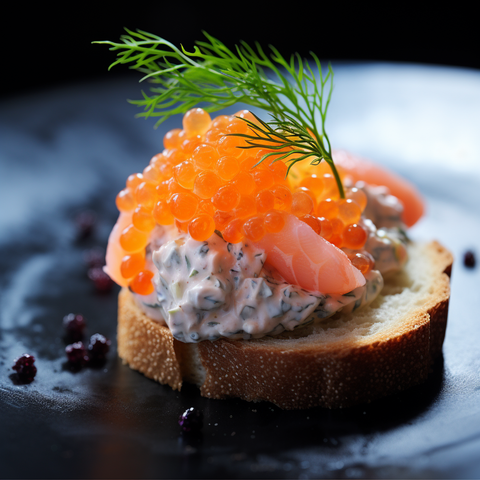
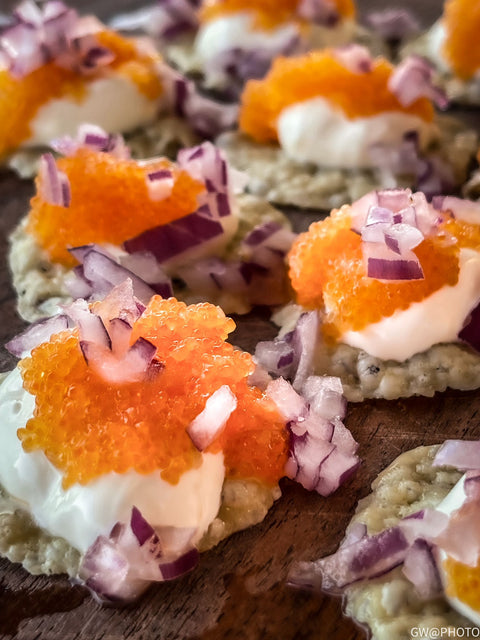
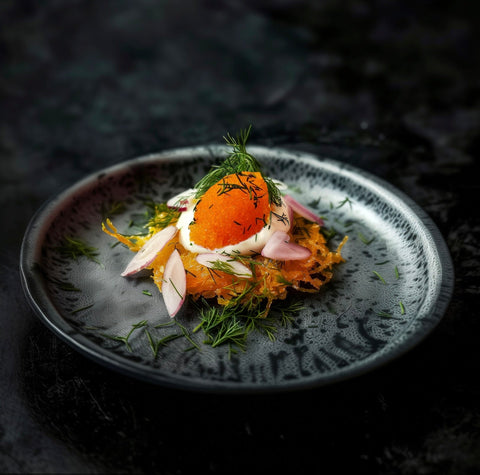
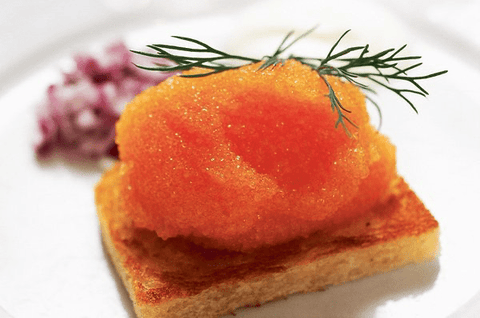
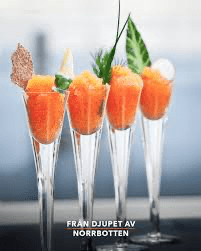
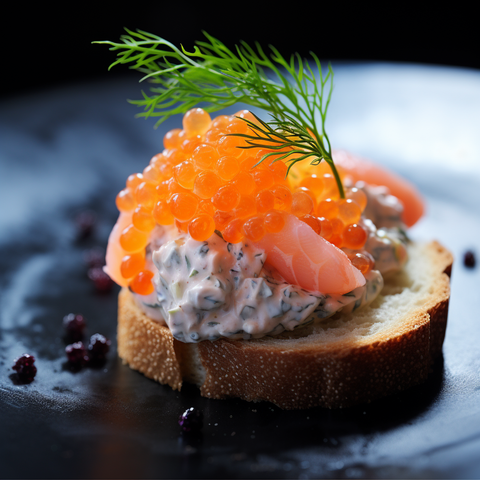
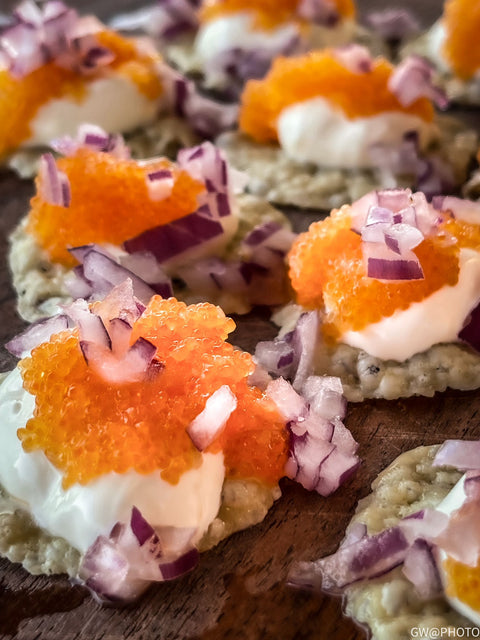
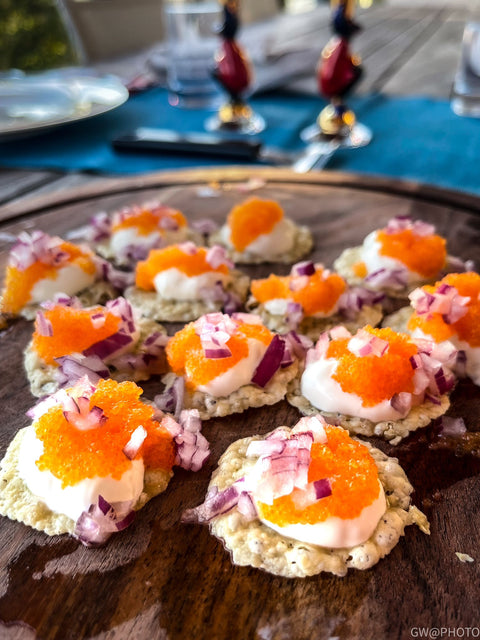
One of the most visually striking differences between löjrom and caviar is color. Most caviars range from dark gray to black, and in many commercial products, color intensity is enhanced through processing to make the eggs appear more premium. Kalix löjrom stands apart with its vibrant natural orange hue a result of carotenoids derived from the zooplankton that vendace feed on in the Bay of Bothnia. This color is not added, modified, or enhanced; it is simply the product of nature working under extreme northern conditions. The Arctic waters, enriched by minerals from melting ice and untouched landscapes, create a marine ecosystem that produces roe with exceptional purity. Every spoonful of löjrom reflects the authenticity of its origin, and the color itself has become a symbol of unprocessed Scandinavian quality.
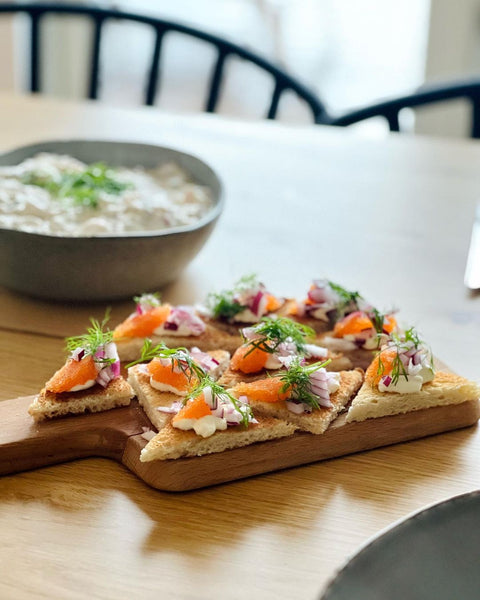
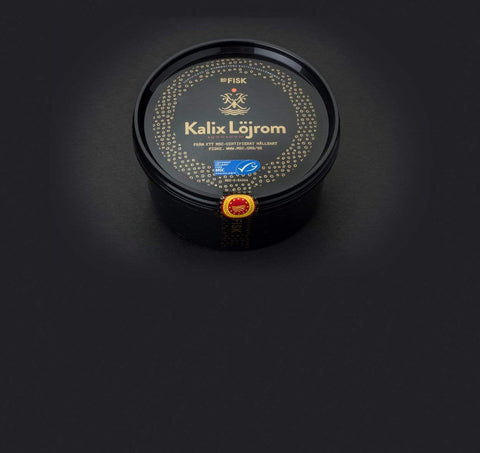
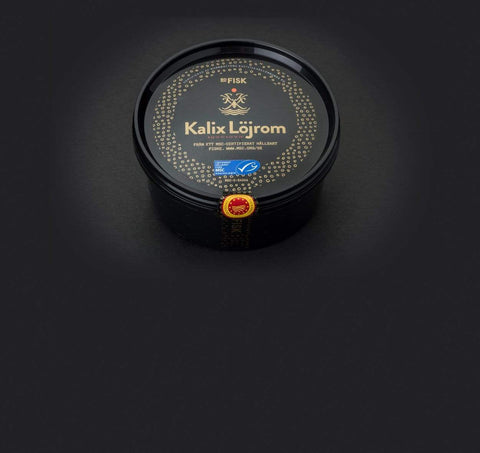
Kalix löjrom is not just rare it is geographically protected, holding one of Sweden’s most prestigious culinary certifications: PDO (Protected Designation of Origin). Much like Champagne or Parmigiano Reggiano, it can only come from a strictly defined region, harvested using methods that local fishermen have followed for generations. The fishing season is extremely short, typically lasting just a few weeks in early autumn, when the vendace roe reaches its perfect maturity. Everything from the cold water temperature to the timing of the harvest must align. This natural limitation means there is never an oversupply; every year’s production is finite and deeply valued. Meanwhile, sturgeon caviar is produced globally through aquaculture, allowing for year-round availability. Kalix löjrom’s rarity is authentic, not manufactured, and that scarcity contributes to its elevated status among Nordic delicacies.
The story of caviar has long been marked by overfishing, endangered sturgeon species, and complicated regulatory frameworks aimed at protecting the dwindling wild population. While many producers now farm sturgeon responsibly, the legacy of ecological strain remains part of the product’s identity. Kalix löjrom, however, comes from a different tradition one rooted in sustainable, small-scale fishing. Sweden enforces strict quotas to protect the vendace population, ensuring the fishery remains healthy and environmentally responsible. The waters of the Kalix archipelago are among the cleanest in Europe, with minimal industrial activity and low salinity that creates ideal conditions for the fish. For many consumers, this sustainable background makes löjrom a more conscious luxury. It allows people to enjoy a premium ingredient while supporting ecosystems rather than stressing them an increasingly important factor in today’s food culture.
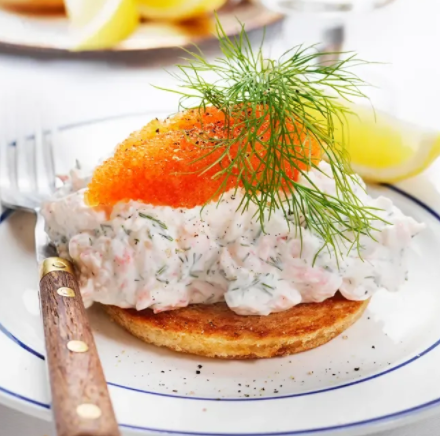
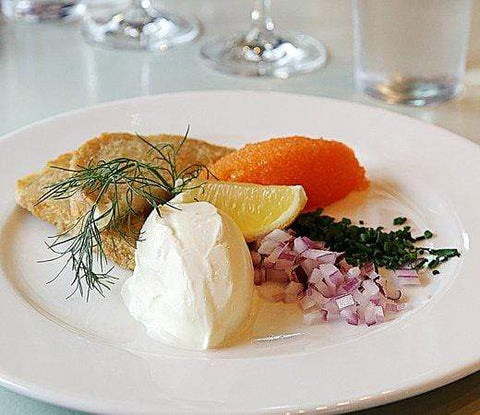
In Sweden, löjrom carries a cultural prestige that caviar rarely enjoys. It is not merely a luxury product; it is a symbol of identity, heritage, and northern pride. The roe famously appears at the Nobel Prize banquet, a tradition that highlights its importance in the Swedish culinary landscape. It is also served at royal events, included in festive spreads during Midsommar, Christmas, and New Year’s, and featured in some of the country’s top Michelin-starred restaurants. Many Swedes describe the arrival of fresh löjrom each autumn as a seasonal celebration a moment when the Arctic region shares its most precious ingredient with the rest of the country. Unlike caviar, which is often associated with global, borderless luxury, Kalix löjrom feels deeply local, tied to real communities and traditions. That authenticity gives it a charm that money alone cannot replicate.
While both ingredients are undeniably premium, their value comes from different places. High-end sturgeon caviar often commands extraordinary prices because sturgeons take many years to mature, and their endangered status drives costs even higher. However, not all expensive food equals exceptional flavor, price can be influenced by scarcity caused by conservation, farming complexity, and global demand. Kalix löjrom, though also costly, feels more transparent in its pricing. Consumers pay for the short harvest season, the PDO certification, the challenges of northern fishing, and the natural purity of a wild product. Many food lovers argue that löjrom offers more honest value for what you get: an ingredient with genuine rarity, natural flavor, and no artificial inflation. It’s a luxury rooted in craft and environment, not market hype.
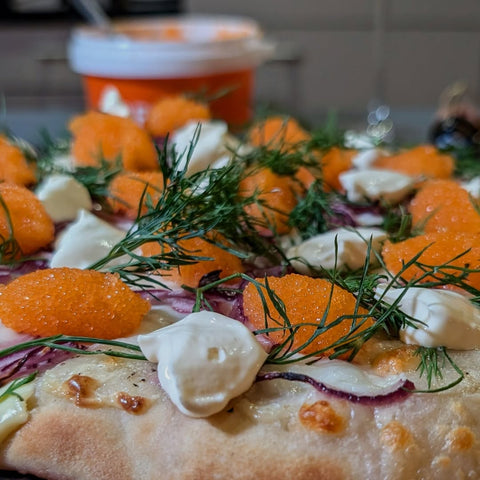
The answer depends on what you value. If you love bold intensity, dramatic flavors, and the long history of sturgeon roe, traditional caviar still holds its ground. But if you seek a luxury ingredient that is gentle, naturally balanced, sustainably harvested, and rich in cultural meaning, then Kalix löjrom offers something far more nuanced. It doesn’t try to compete with caviar it creates its own category. In many ways, it represents a new kind of luxury: quieter, more transparent, and deeply connected to the Arctic landscapes where it originates. For a growing number of chefs and food lovers, that makes Kalix löjrom not just different… but undeniably better.
We are rated Excellent, read what our customers are saying