

Regular price

Easter Is Coming…
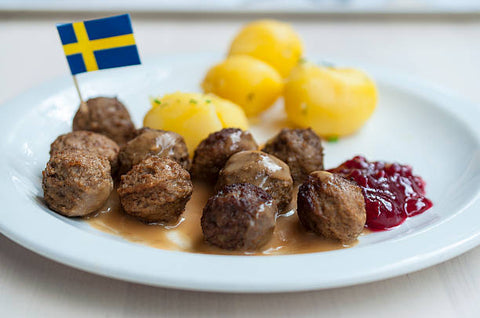
In Scandinavia, Easter marks an important transition from winter to spring. After the long, dark Nordic winter, the arrival of brighter days is something people truly celebrate. In Sweden, Easter called Påsk is both a religious holiday and a time for families to gather, decorate their homes, and share meals together. One of the central traditions is the påskbord, which means “Easter table.” It is a buffet-style meal filled with a variety of dishes placed in the middle of the table so everyone can serve themselves. The concept is similar to the famous Swedish julbord served at Christmas, but the Easter version often features slightly lighter, more spring-inspired dishes. Families typically celebrate between Good Friday (Långfredagen) and Easter Sunday (Påskdagen), with many people enjoying long lunches together during the holiday weekend.
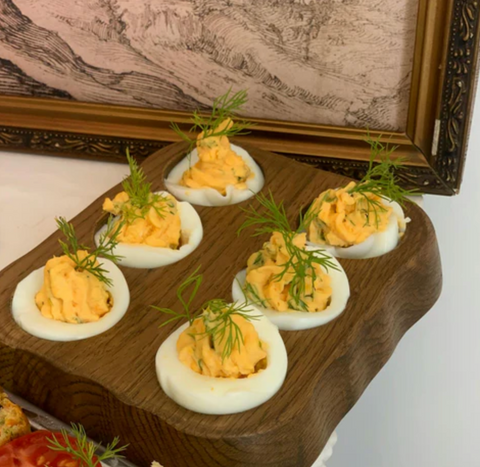
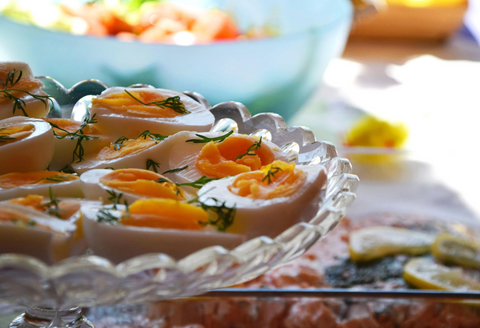
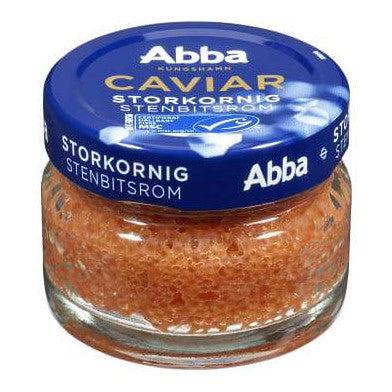
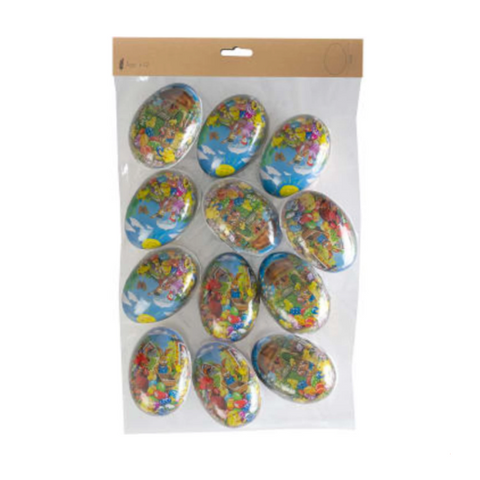
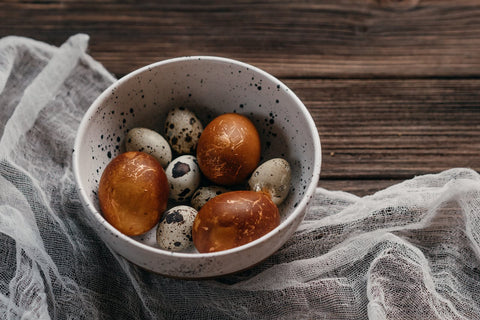
Eggs are one of the most recognizable symbols of Easter across Europe, and they play a very visible role in Swedish celebrations. Historically, eggs were associated with new life and the arrival of spring. They also became popular during Easter because eggs were traditionally restricted during the fasting period of Lent in earlier Christian traditions, so people ate them again once Easter arrived. On Swedish Easter tables, eggs are often served boiled and cut in halves, topped with ingredients like shrimp (räkor), mayonnaise, caviar paste (Kalles kaviar), dill, or chives. Deviled eggs are also common at gatherings. In addition to food, eggs appear in decorations throughout Swedish homes. Children receive large cardboard or plastic eggs filled with candy, known as påskägg, which is one of the most beloved parts of the holiday for younger family members.
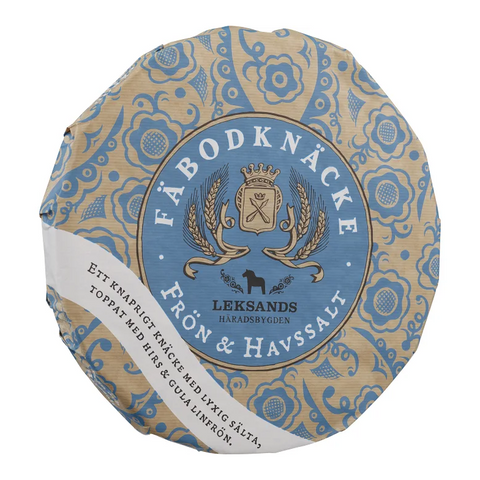
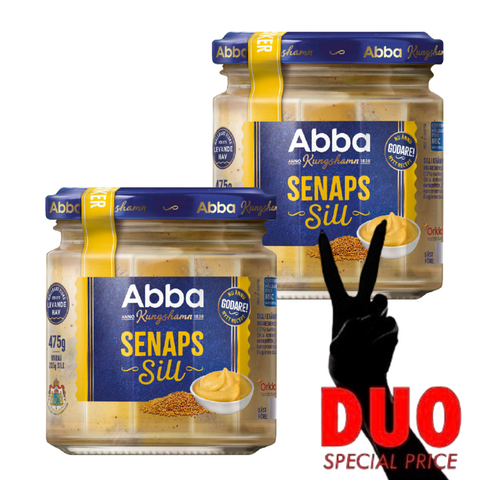
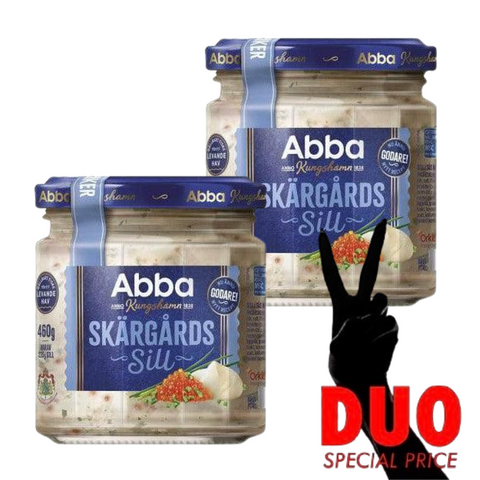
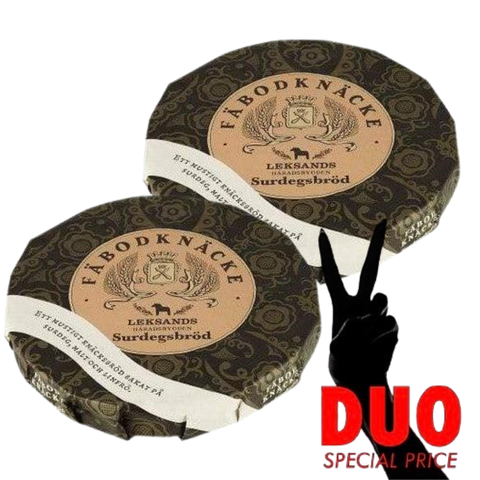
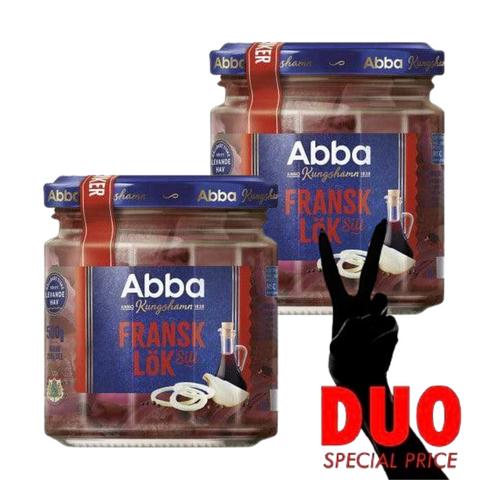
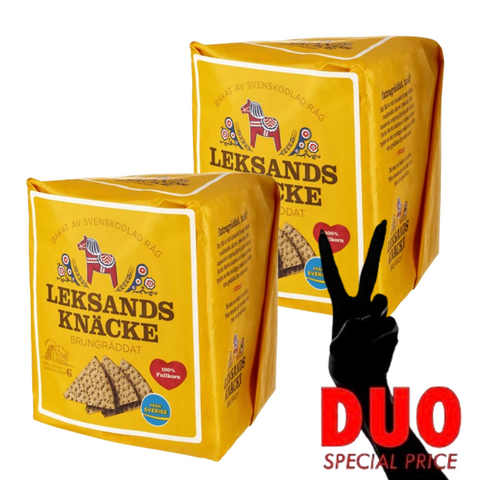
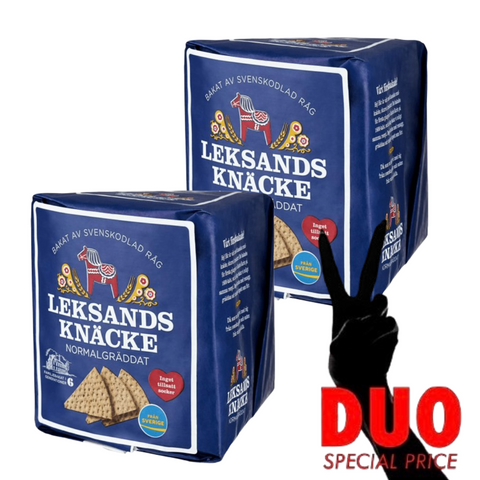
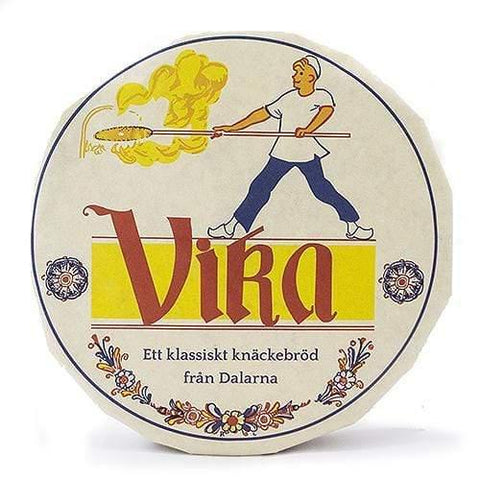
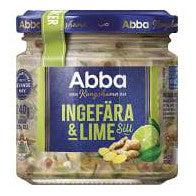
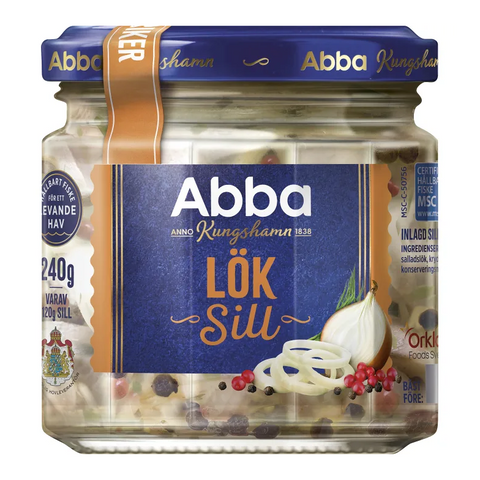
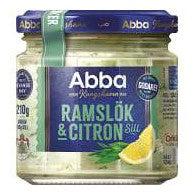
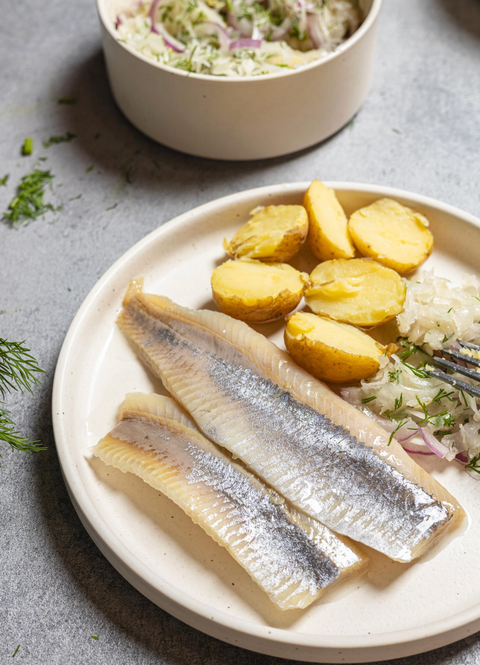
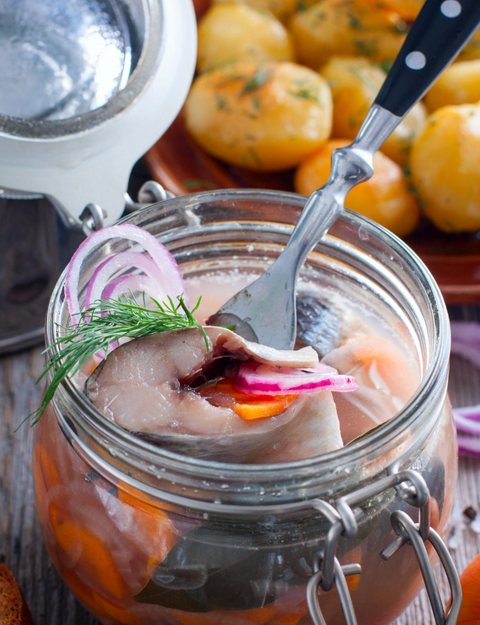
A Swedish holiday table would not feel complete without pickled herring, known as sill. Herring has been a staple food in Scandinavia for centuries because it was historically abundant in the Baltic Sea and easy to preserve through pickling. During Easter, several varieties of herring are usually served on the påskbord. These can include mustard herring, onion herring, dill herring, garlic herring, or creamy herring with sour cream. Each version is prepared with slightly different marinades, giving the dish a range of flavors from sweet to tangy. Herring is typically eaten with boiled potatoes, crispbread (knäckebröd), butter, and sometimes hard-boiled eggs. At traditional celebrations, it may also be accompanied by a small glass of aquavit, a Scandinavian spirit flavored with herbs such as caraway or dill.
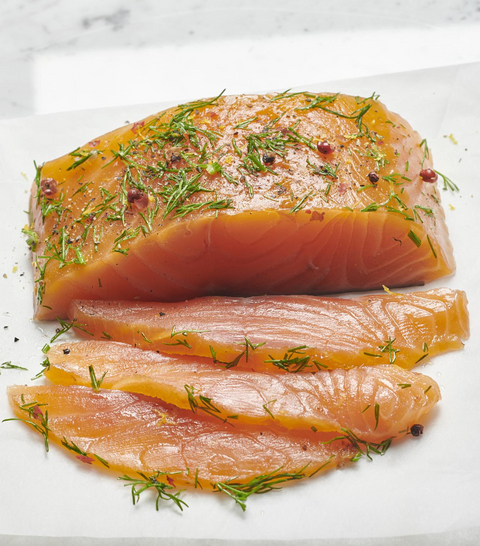
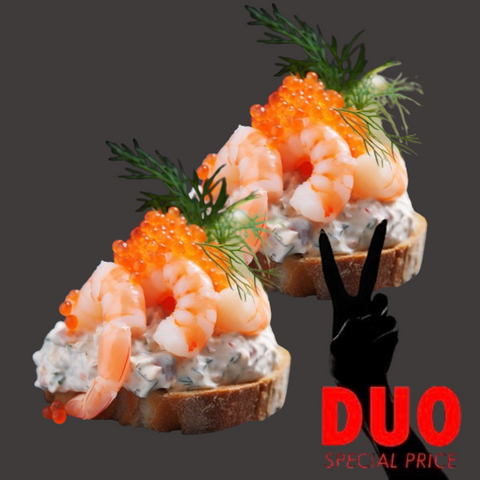
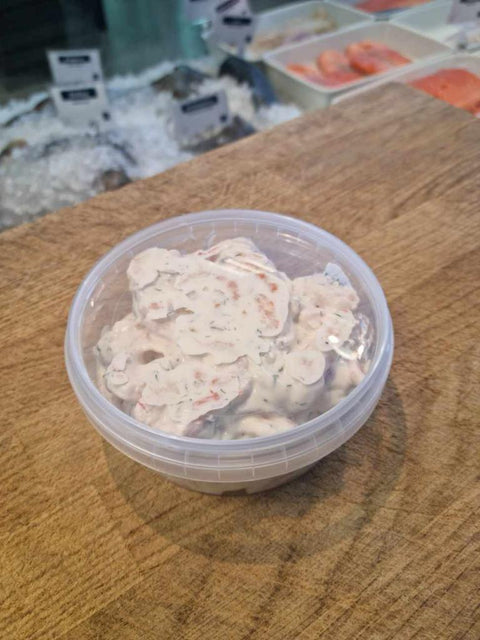
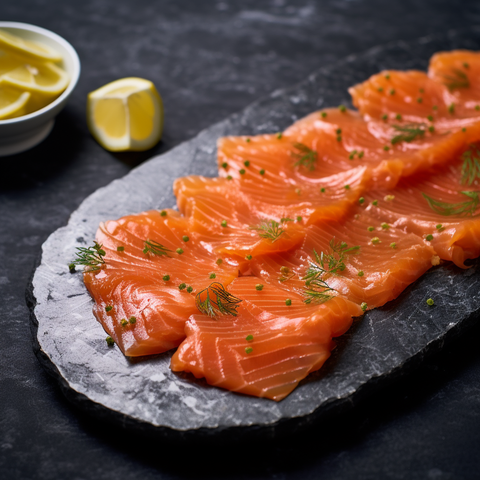
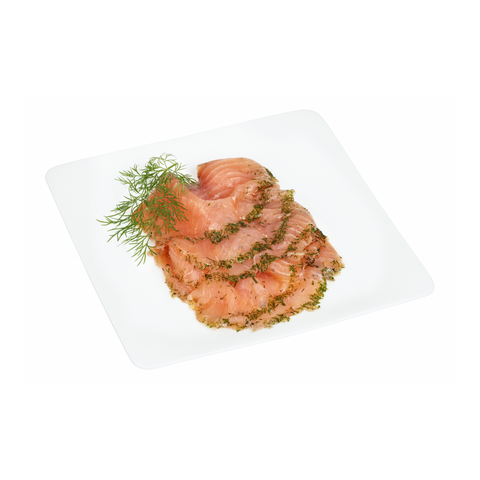
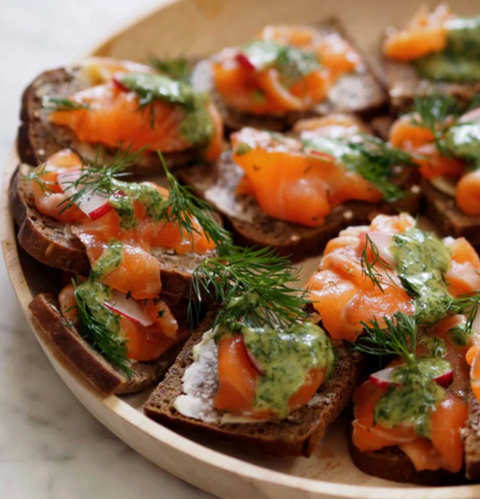
Fish dishes are another important element of the Swedish Easter table. One of the most well-known is gravlax, a dish made from raw salmon that is cured with salt, sugar, and plenty of fresh dill. The curing process gives the salmon a delicate flavor and firm texture. Gravlax is usually sliced very thin and served with hovmästarsås, a classic Swedish mustard and dill sauce. Alongside gravlax, you may also find cold-smoked salmon, cured fish, or shrimp dishes on the Easter table. These seafood-based dishes reflect the strong fishing traditions of Scandinavia and fit well with the lighter, fresh flavors associated with springtime meals.
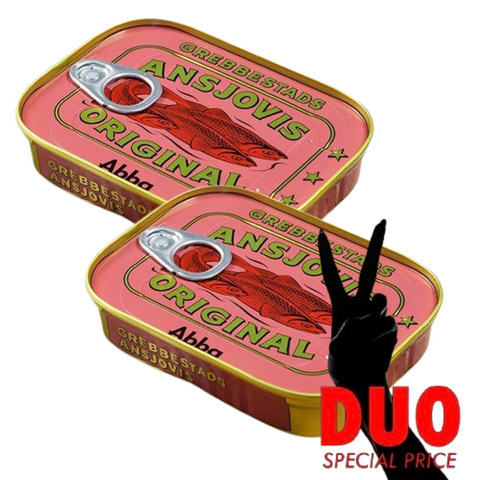
Although many foods on the påskbord are served cold, there are also a few warm dishes that bring comfort and heartiness to the meal. One classic dish that sometimes appears is Janssons frestelse, a baked casserole made from potatoes, onions, cream, breadcrumbs, and Swedish sprats (often translated as anchovies). The dish is creamy, savory, and very popular during Swedish holidays. Another traditional Easter option is lamb, which is commonly roasted and served with herbs, garlic, or seasonal vegetables. Lamb has long been associated with Easter in many European cultures and appears in Swedish homes as well. These warm dishes help balance the lighter fish and egg dishes typically found on the table.
Easter is also a time when Swedish shops fill with colorful sweets and seasonal treats. One of the most recognizable traditions is the påskägg, large decorated eggs filled with candy that are given to children and sometimes adults. Inside, you might find chocolate eggs, jelly candies, marshmallow treats, or marzipan sweets. Sweden has a strong candy culture, and Easter is one of the biggest candy seasons of the year. Another seasonal favorite is påskmust, a dark, sweet soft drink that is very similar to julmust, the drink traditionally served at Christmas. Despite the different name, the drink is essentially the same recipe, but marketed specifically for the Easter season.
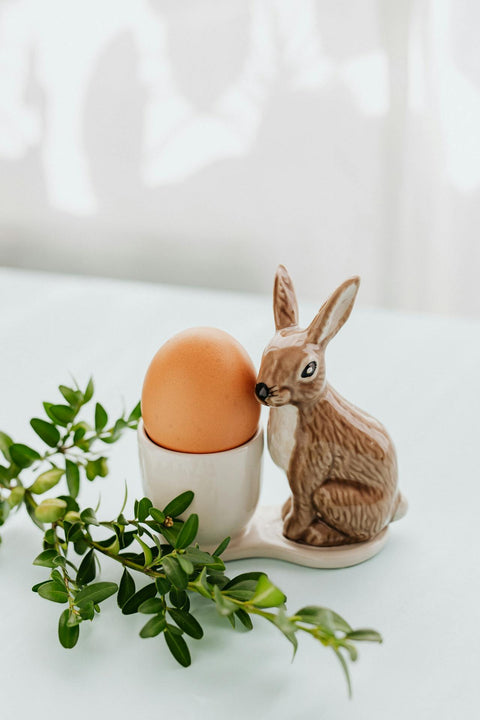
More than any single dish, the Swedish Easter tradition is about gathering and sharing food with others. The påskbord encourages a relaxed and social way of eating, where guests try a little of many different dishes while spending time together. Tables are often decorated with feathers, colorful eggs, birch twigs, and yellow decorations, symbolizing spring and new life. Families may enjoy long lunches or dinners that last for hours, catching up with relatives and celebrating the season. In this way, Easter in Scandinavia is not only about food traditions but also about welcoming spring, slowing down, and enjoying the warmth of community after the long winter months.