
Regular price


A Swedish Easter Table, Built Around Eggs🥚
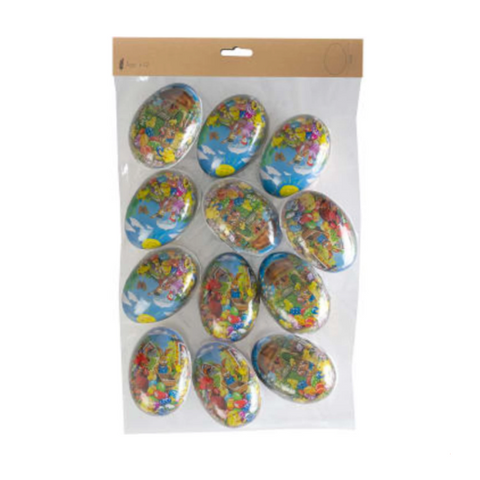
In Sweden, Easter eggs are not just decorative symbols they are an essential part of the meal itself. While many cultures associate eggs with painting and hunting, Swedish Easter (påsk) turns them into something much more tangible: food that is shared, styled, and layered into a buffet experience.
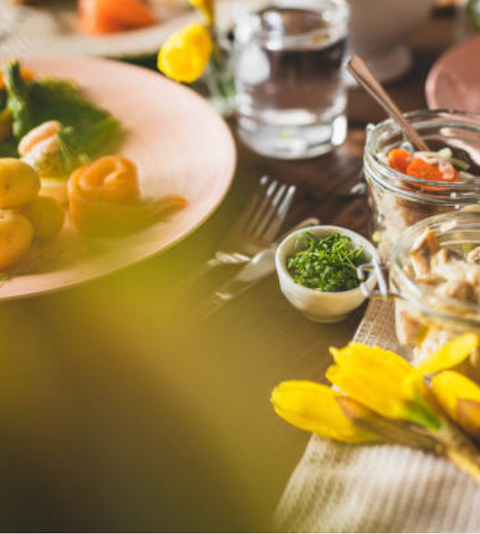
At the center of this tradition is the påskbord, a Scandinavian-style table inspired by the smörgåsbord a spread of multiple small dishes designed to be enjoyed slowly, in combination rather than isolation.
Eggs appear everywhere on this table. Not in one form, but many each one offering a different texture, flavor, and role in the overall experience. They are not just an ingredient; they are a structure that holds the meal together.
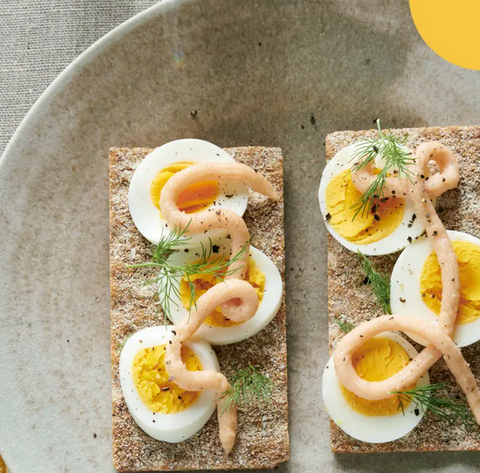
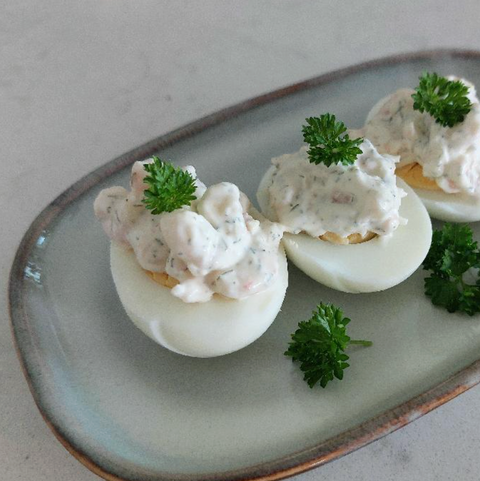
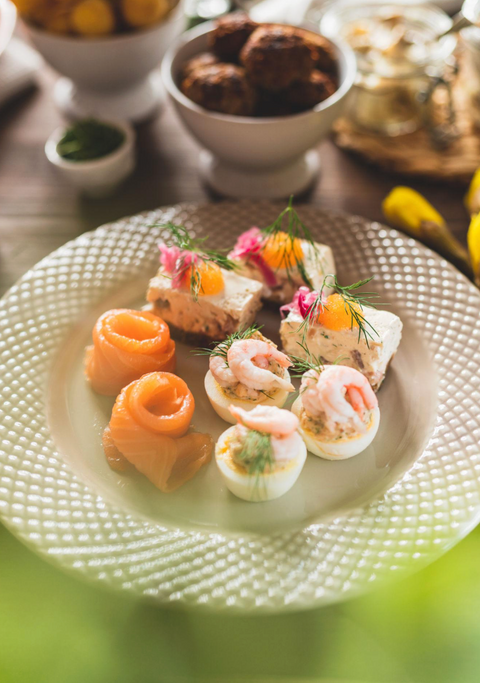
The most iconic egg dish on a Swedish Easter table is ägghalvor boiled eggs cut into halves and carefully topped.
But what makes them special is not complexity it’s composition.
Each egg becomes a small, curated bite:
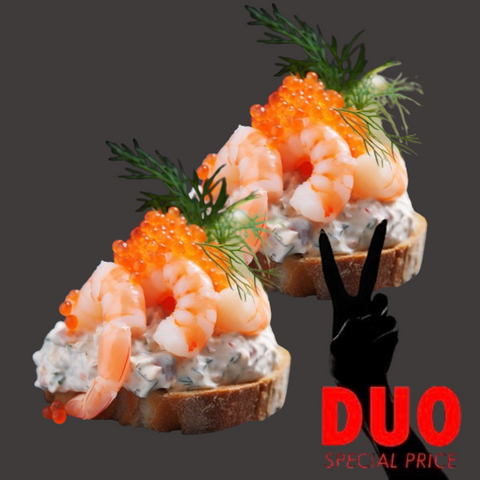
Sweet shrimp paired with creamy mayonnaise and fresh dill
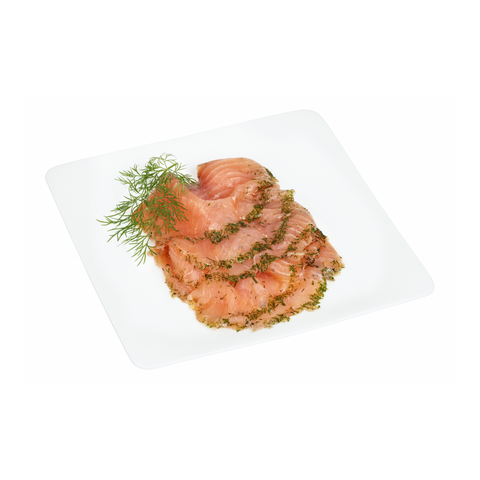
Smoked salmon with crème fraîche for a richer, softer contrast
Fish roe with finely chopped onion for saltiness and texture
These combinations reflect a broader Scandinavian philosophy: simple ingredients, assembled thoughtfully. Eggs are rarely served plain they are almost always elevated, both visually and in flavor. On a påskbord, presentation matters just as much as taste, and these small egg halves often become one of the most visually striking elements of the table.
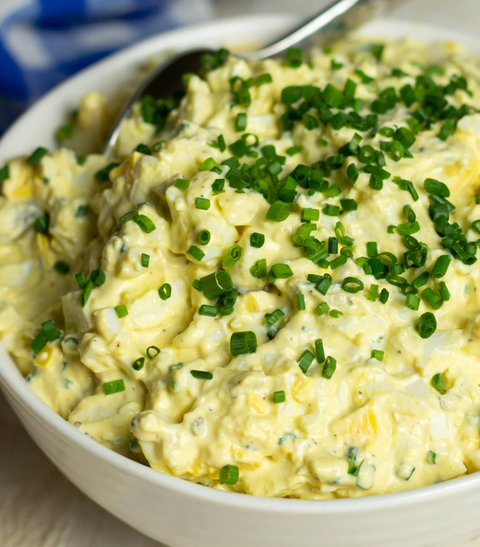
While halved eggs bring structure, egg salad introduces softness.
Swedish-style egg salad is typically lighter than what you might find elsewhere. Instead of being overly rich, it focuses on balance:
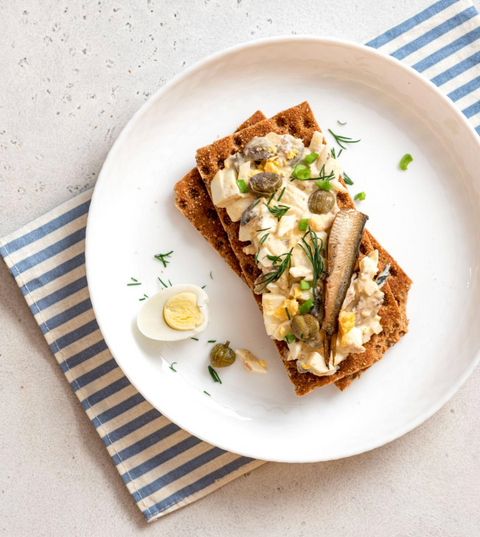
This dish is often served in small bowls as part of the buffet, allowing guests to add it to crispbread or combine it with other elements on their plate.
Its role is important: on a table filled with salty fish, pickled flavors, and creamy dishes, egg salad provides a gentle, neutral base that ties everything together. It reflects the idea that a påskbord is not about bold, overpowering flavors but harmony.
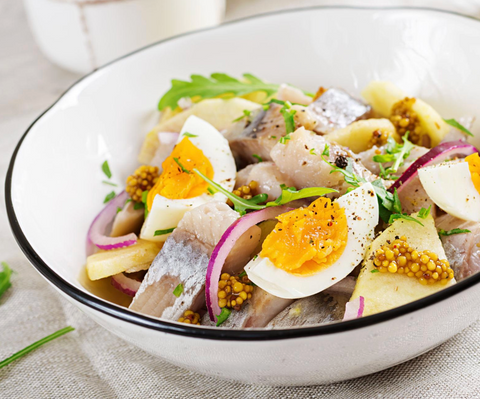
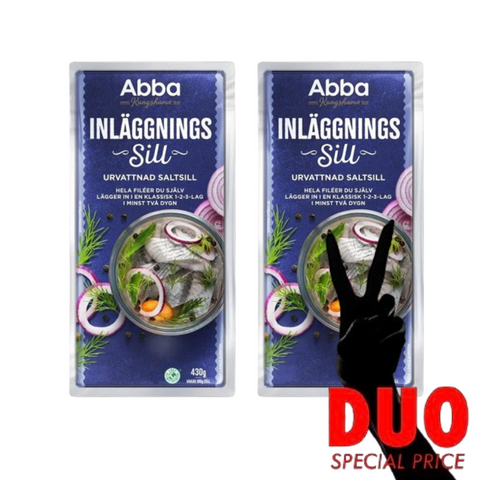
One of the most defining features of Swedish Easter food is its connection to the sea.
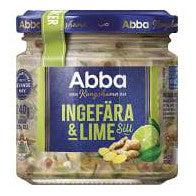
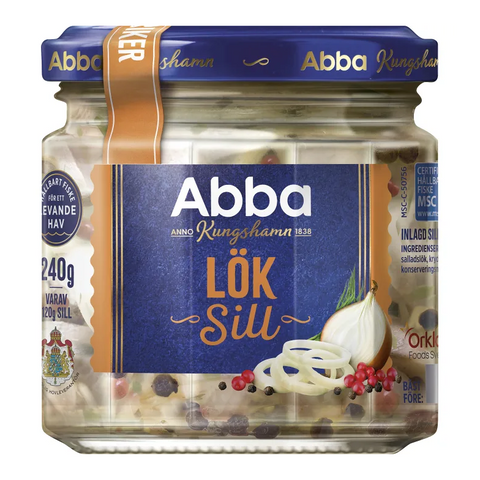
Eggs are rarely served alone they are almost always paired with:
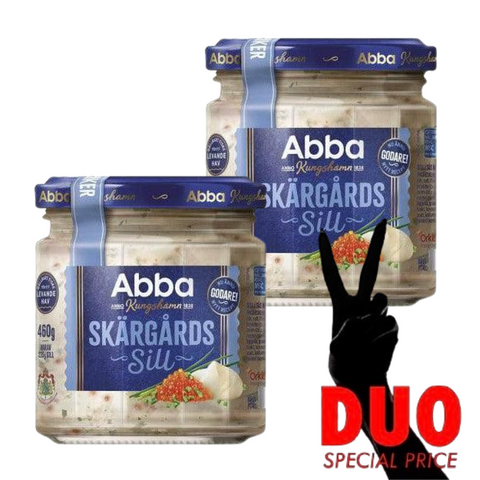
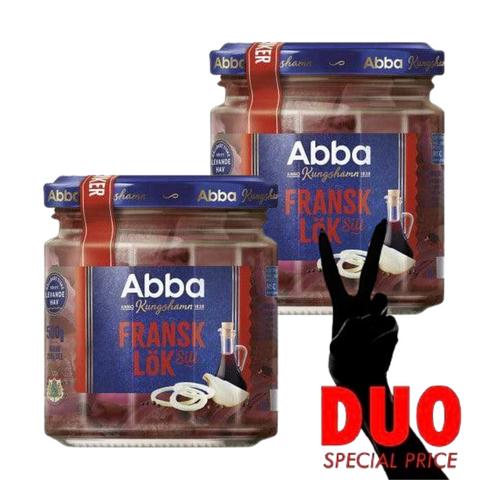
This pairing is not random. The richness of the egg softens the sharp, vinegary intensity of pickled fish, creating balance in each bite. In traditional smörgåsbord courses, eggs often appear alongside herring as part of the first serving, setting the tone for the rest of the meal.
This combination might feel unusual at first, but it is one of the most authentic ways to experience Scandinavian cuisine where contrast is key.
Not all egg dishes are cold or decorative.
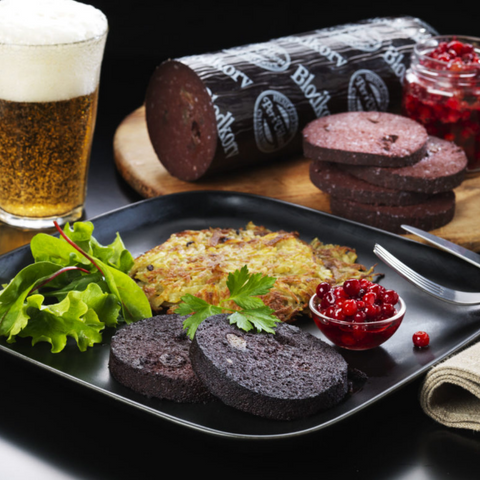
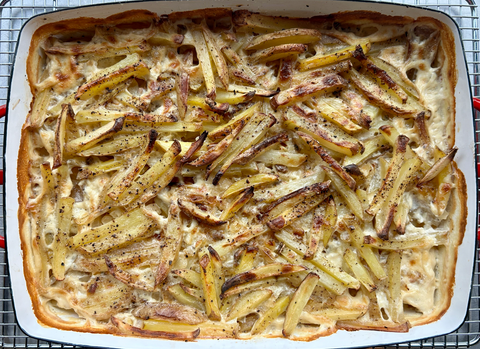
On a Swedish Easter table, eggs are also served alongside warm, comforting dishes like Janssons frestelse a creamy potato casserole made with onions, cream, and spiced fish.
Rather than mixing eggs into the dish, they are kept separate and combined on the plate. A bite of warm, rich potatoes followed by a simple boiled egg creates contrast:
This way of eating assembling flavors as you go is central to the påskbord experience.
Eggs are not only served as dishes they are also used as toppings.
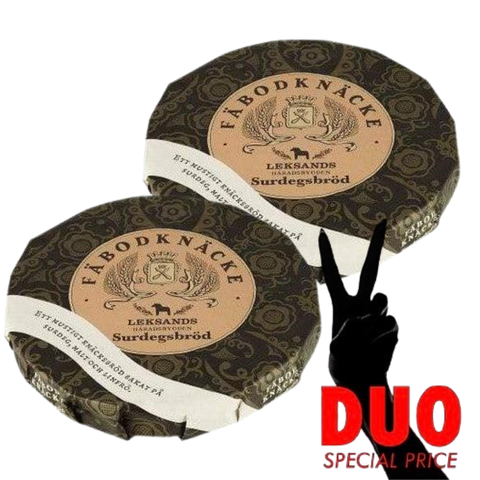
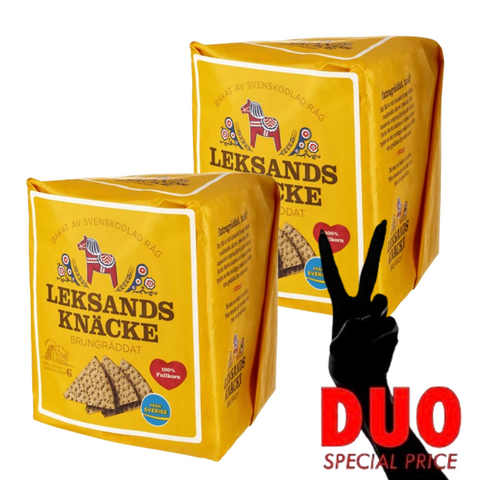
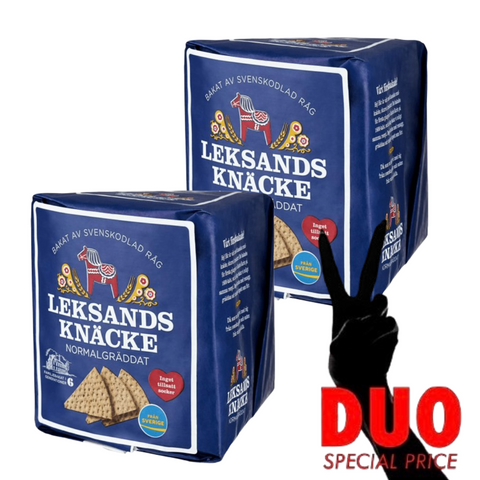
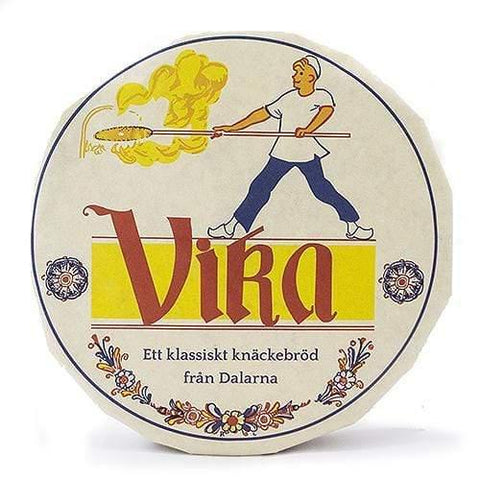
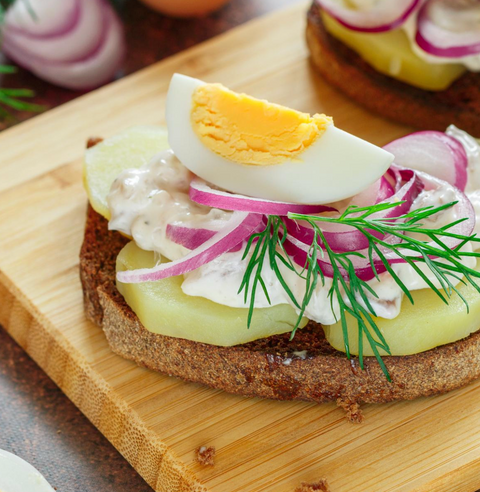
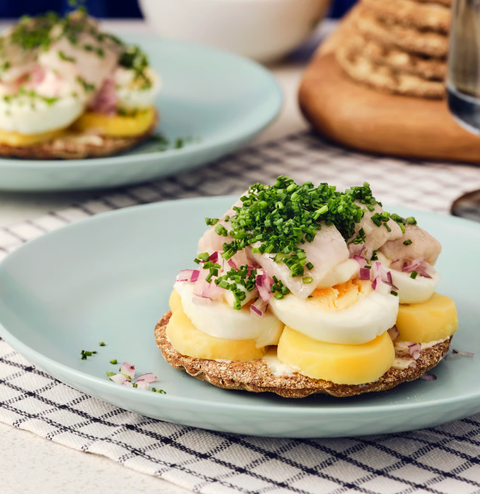
On crispbread (knäckebröd) or dark rye bread, eggs are layered with:
This reflects the Scandinavian tradition of open-faced sandwiches, where each ingredient is visible and intentionally placed.
At Easter, this everyday habit becomes more refined. What is normally simple becomes styled, turning even a basic slice of bread into something that feels curated and seasonal.
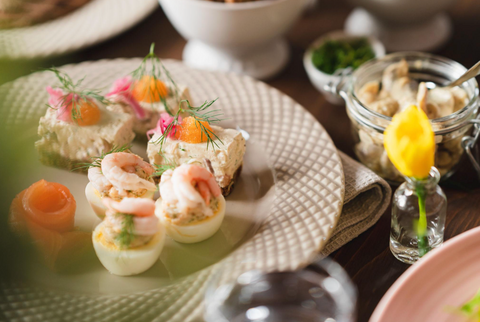
Deviled eggs do exist in Swedish Easter spreads but they are noticeably different from their American counterpart.
Instead of heavy fillings, the Scandinavian version is: lighter, fresher and more seafood-focused.
Typical toppings include shrimp, dill, or fish roe rather than heavier mixtures. The goal is not richness, but balance aligning with the overall aesthetic of the påskbord.
A well-composed Swedish Easter table doesn’t rely on one egg dish it uses several.
Eggs appear in different forms to create contrast:
This variety reflects the essence of Swedish dining: a meal built from many small, intentional elements rather than one central dish.
In Sweden, eggs are not hidden they are displayed.
They are part of a meal that is meant to be shared slowly, where each plate is slightly different depending on how it’s assembled. The påskbord is less about tradition in a strict sense, and more about experience: combining flavors, textures, and moments.
And at the center of it all, quietly holding everything together, are the eggs.