
Regular price

A Deep Dive into Swedish Crispbread
Swedish crispbread is one of the most enduring elements of Nordic food culture. Long before modern refrigeration, supermarkets, or year-round access to fresh ingredients, people in Sweden relied on foods that could last through harsh winters and long periods of isolation. Crispbread emerged from this reality, becoming not only a practical solution but also a defining part of everyday life. Even today, it remains a staple in Swedish households, eaten daily and valued for its simplicity, durability, and unmistakable crunch.
Unlike soft breads, Swedish crispbread is intentionally baked until almost all moisture is removed. This gives it an exceptionally long shelf life and a texture that can last for months, sometimes even years, without spoiling. What began as a necessity gradually became tradition, and tradition eventually became identity.

At its core, Swedish crispbread is a dry, baked bread made from a small number of basic ingredients: rye flour, water, salt, and yeast or sourdough. Rye has historically been one of the most reliable grains in Sweden, thriving in colder climates and poorer soils where wheat struggled to grow. This made it the natural foundation of bread baking across much of the country.
The defining characteristic of crispbread is its extremely low moisture content. By baking the bread thoroughly and drying it completely, households ensured that their bread supply would last throughout the year. In rural communities, baking was often done only a few times annually, making long-lasting bread essential. Crispbread was stored in dry spaces, sometimes hung near the ceiling, where air circulation prevented mold and pests.
This method of baking and storing bread has remained largely unchanged for centuries.
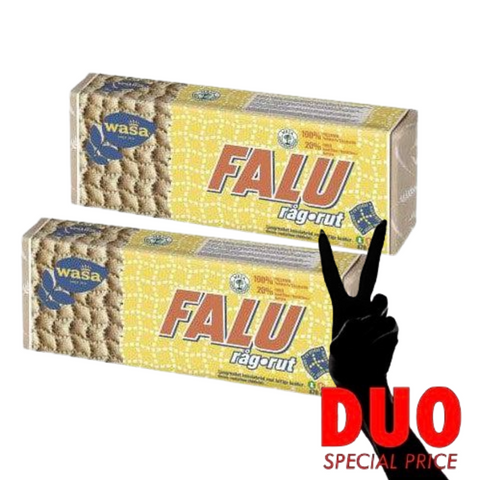
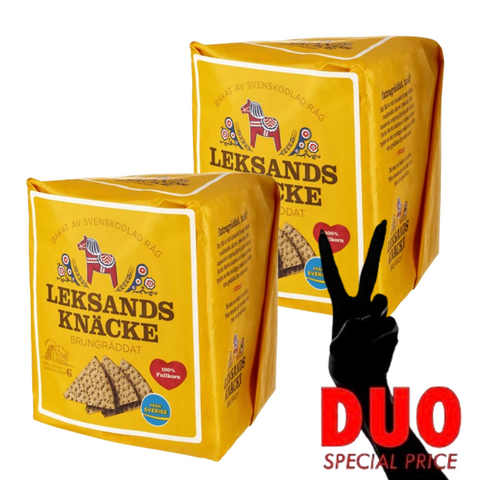
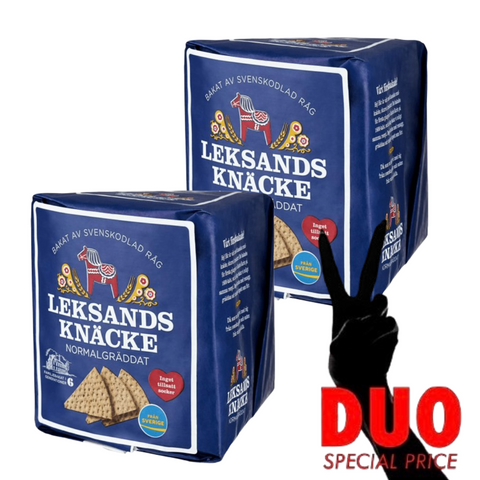
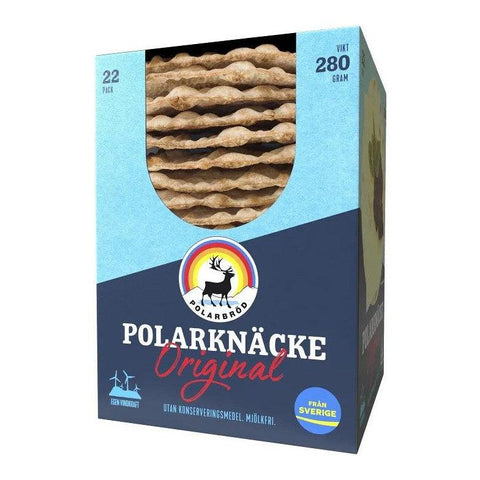
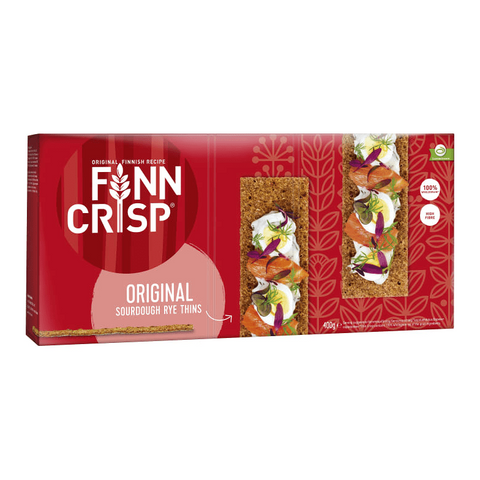
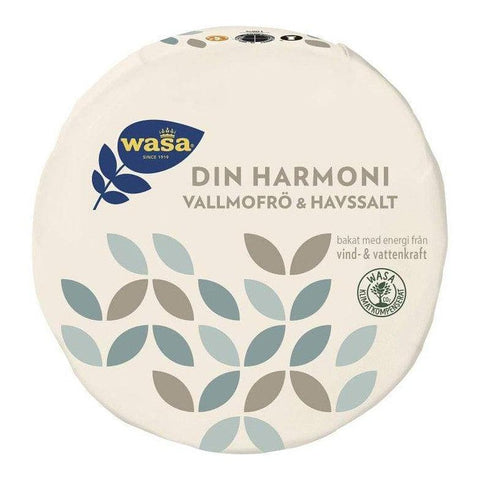
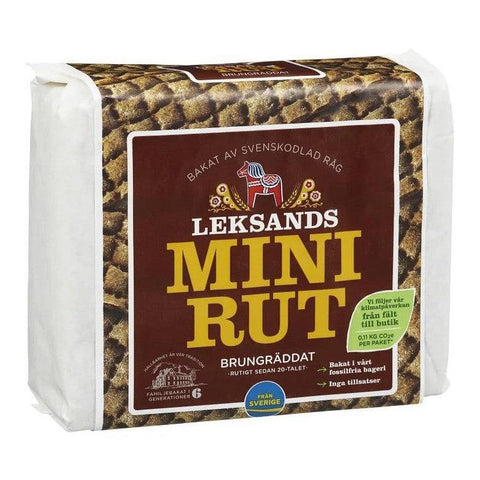
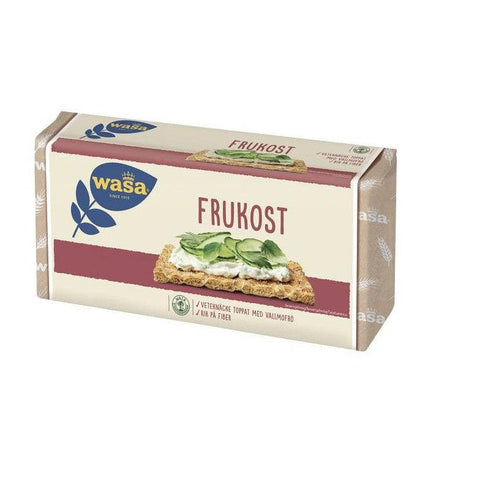
Knäckebröd is the most iconic form of Swedish crispbread and one of the oldest known bread types in the country. The name comes from the Swedish verb knäcka, meaning “to crack,” a reference to the sound the bread makes when broken. This audible crunch is part of the experience and a familiar sound in Swedish kitchens.
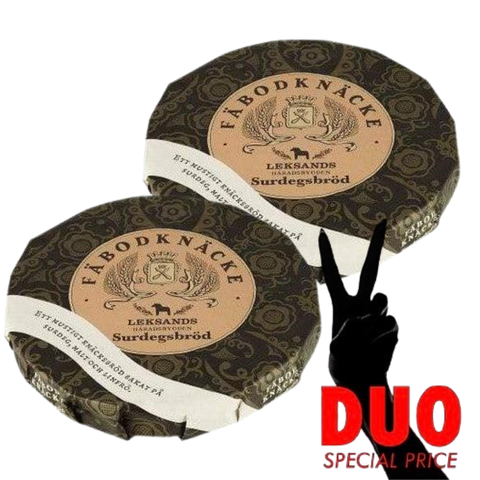
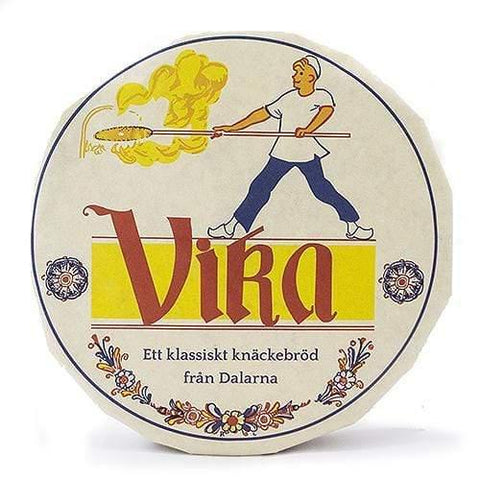
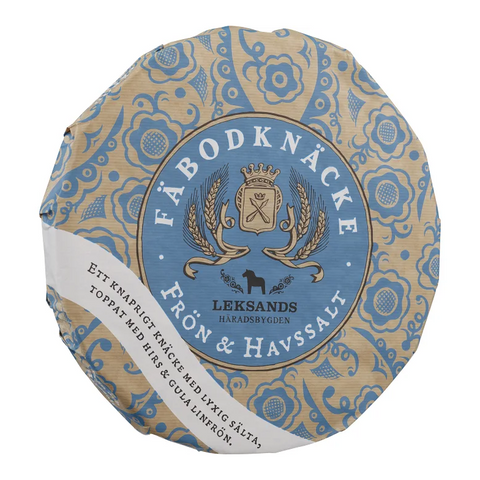
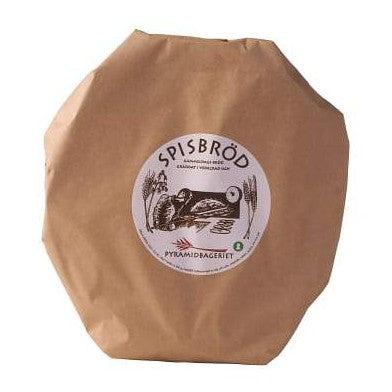
Traditionally, knäckebröd is made almost entirely from rye and baked into thin or moderately thick rounds. Many traditional loaves feature a hole in the center, which served a practical purpose rather than a decorative one. These breads were threaded onto wooden poles and hung near the ceiling, where warm, dry air kept them preserved for long periods. In some households, these hanging breads could be seen year-round.
In terms of flavor, knäckebröd is earthy, slightly sour, and deeply connected to the taste of rye. Its texture is firm and crisp, offering resistance before breaking cleanly. While modern varieties may include seeds, grains, or herbs, the traditional versions remain intentionally simple, reflecting the values of frugality and resourcefulness.

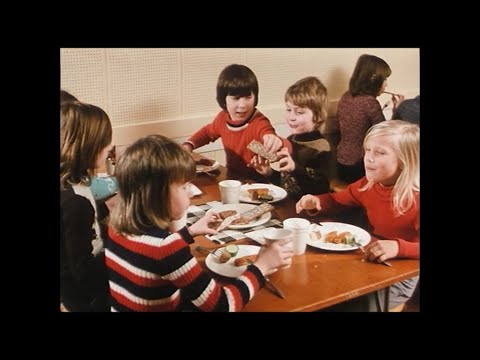
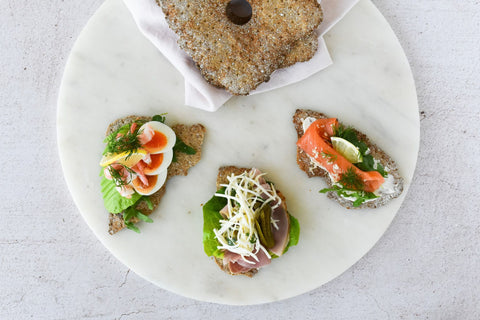
Despite its ancient origins, knäckebröd remains firmly embedded in modern Swedish life. It is not reserved for special occasions or traditional meals but is eaten casually and frequently throughout the day. Many Swedes start their morning with a piece of knäckebröd topped with butter and cheese, while others enjoy it at lunch or dinner as a base for open sandwiches known as smörgåsar.
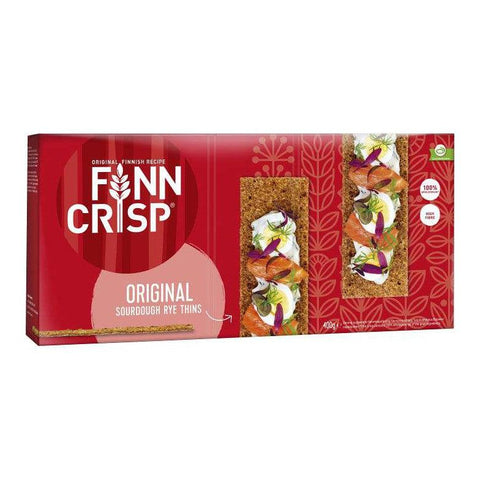
Popular toppings include cured or smoked fish, eggs, cold cuts, and fresh vegetables. Knäckebröd is also commonly eaten on its own as a snack, appreciated for its crunch and satiating quality. There are no rigid rules governing how or when it should be eaten, which is part of its enduring appeal. It adapts effortlessly to both traditional and modern diets.
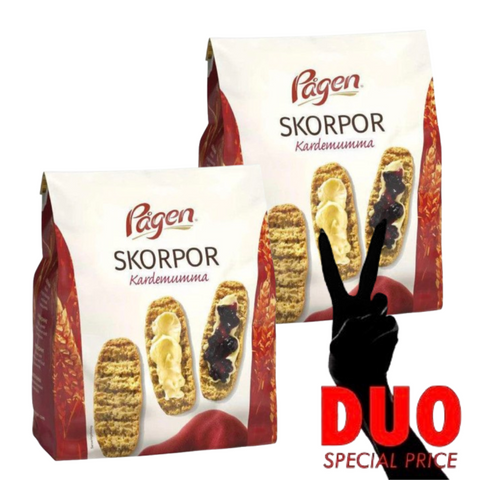
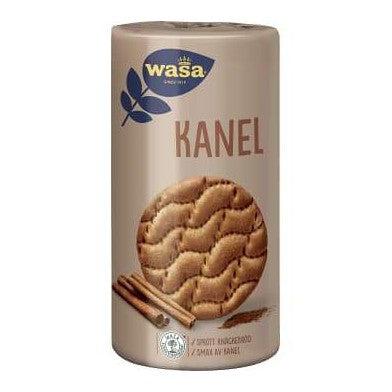
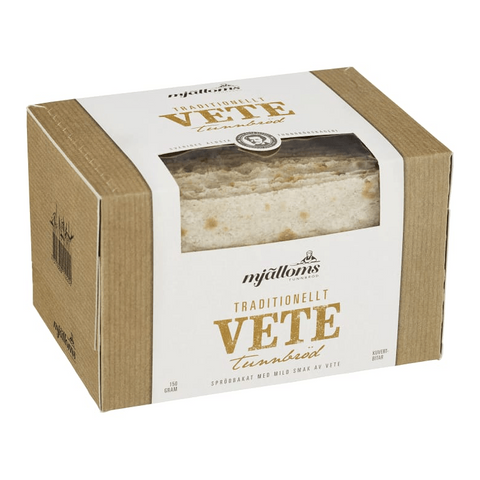
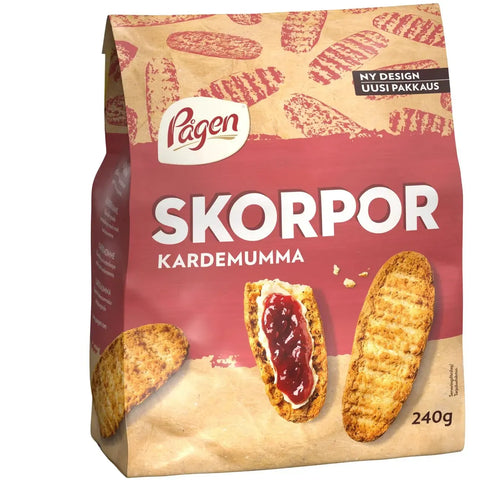
While knäckebröd dominates everyday meals, skorpor occupy a different place in Swedish food culture. Skorpor are twice-baked breads, more closely related to rusks than to crackers. They are usually made from wheat rather than rye and have a lighter, drier texture.
The process of making skorpor begins with baking a soft bread or bun. Once baked, it is sliced and returned to the oven at a low temperature, where it is slowly dried until all moisture is removed. This second baking process gives skorpor their crispness and extended shelf life.
Skorpor are lightly sweet or neutral in flavor and are most closely associated with fika, the daily Swedish coffee break. They are often dipped into coffee or tea, softening slightly before being eaten. Butter, jam, or honey may be added, but many people enjoy them plain. More than nourishment, skorpor represent a moment of pause, comfort, and routine.
Although knäckebröd and skorpor are both long-lasting breads, they serve different purposes in Swedish life. Knäckebröd is a staple food, eaten with meals and treated as an everyday necessity. Skorpor, on the other hand, are tied to rest and social rituals, particularly the quiet moment of fika shared alone or with others.
Their differences highlight the versatility of Swedish bread traditions, which balance practicality with enjoyment and routine with comfort.
Swedish crispbread has long been valued not only for its practicality but also for its nutritional profile, particularly when made with rye. Rye-based crispbread is naturally high in dietary fiber, which supports digestion, helps maintain stable blood sugar levels, and contributes to a feeling of fullness after eating. Because crispbread is low in moisture and fat and typically made with very few ingredients, it tends to be less processed than many soft breads and snack alternatives. Its firm texture also encourages slower eating, which can help with portion awareness. Incorporating crispbread into daily meals is simple and flexible: it can replace soft bread at breakfast or lunch, serve as a base for balanced open sandwiches topped with protein and vegetables, or be enjoyed as a light snack with spreads like cottage cheese, hummus, or avocado. Thanks to its long shelf life and versatility, crispbread fits naturally into a healthy lifestyle that values whole ingredients, moderation, and sustainable eating habits.

Swedish crispbread is not a relic of the past but a living tradition. Every piece carries the imprint of history, climate, and daily life. Whether it is a slice of knäckebröd topped with cheese or a skorpor dipped into warm coffee, these breads offer a genuine taste of Sweden uncomplicated, resilient, and deeply familiar.
At Swedishness, we honor this heritage by sharing authentic Swedish crispbreads made in accordance with tradition, meant to be enjoyed simply and thoughtfully, wherever you are.