





The Story Behind the Advent Calendar
A Christmas Tradition That Keeps on Giving
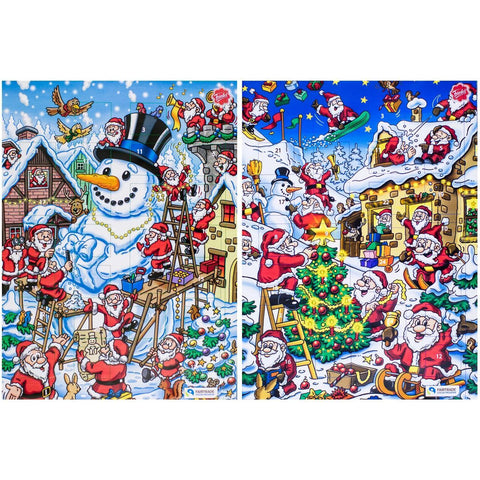
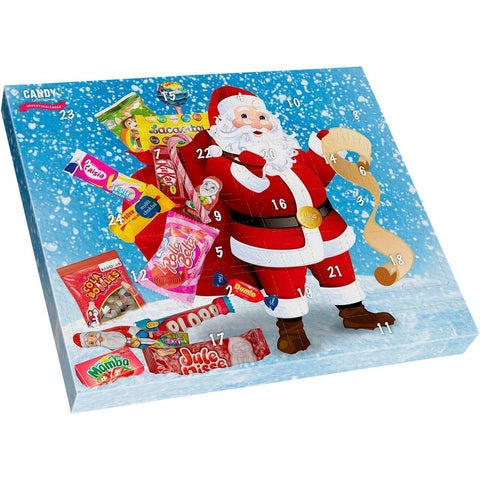
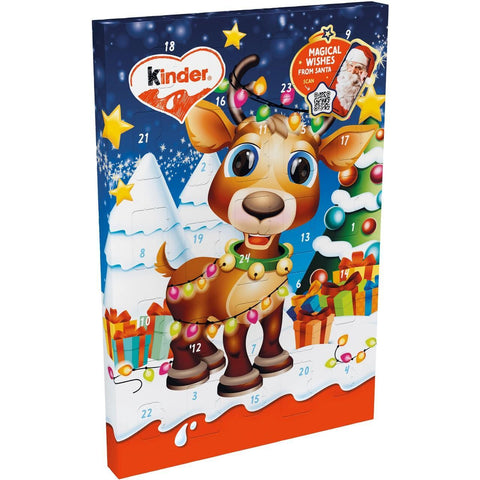
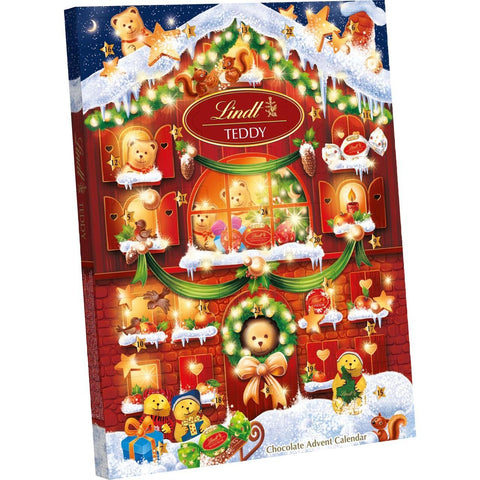
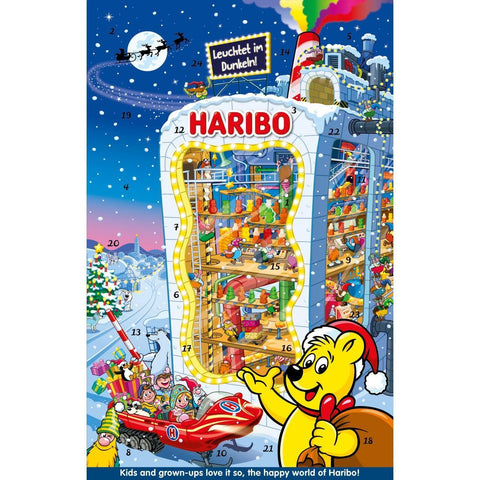
There is something rather lovely about counting down to Christmas one day at a time. A little door to open each morning, a small surprise waiting inside, and the feeling that Christmas is getting closer. Today, Advent calendars come in almost every form imaginable, from chocolate and beauty products to books, tea and gourmet treats. But the tradition has a much longer history than you might think.
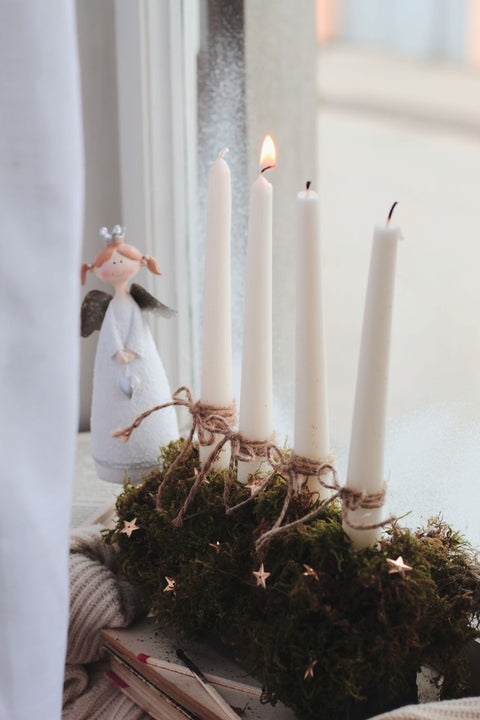
The idea of counting down to Christmas dates back to 19th-century Germany, where families developed their own little rituals to help children understand how many days remained until Christmas Eve. Some marked the days with chalk lines on doors, others hung a new picture on the wall or lit a candle that burned a little further each day. The first printed versions appeared in the early 1900s. One of the most influential was created by German publisher Gerhard Lang, whose childhood memories of receiving 24 little biscuits from his mother inspired him to produce a printed Christmas calendar in 1903. By 1908, his calendars were being commercially published.
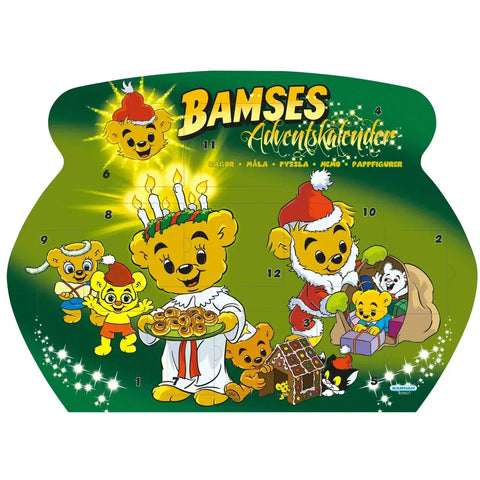
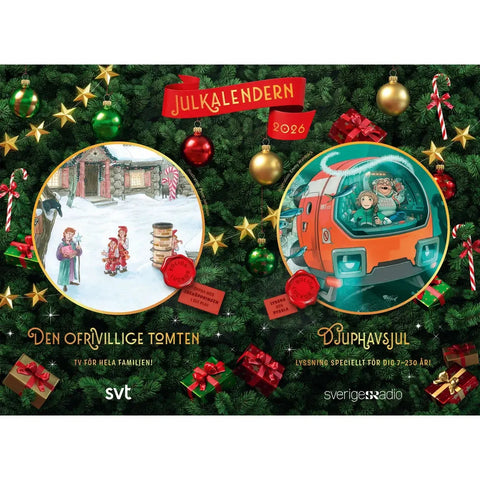
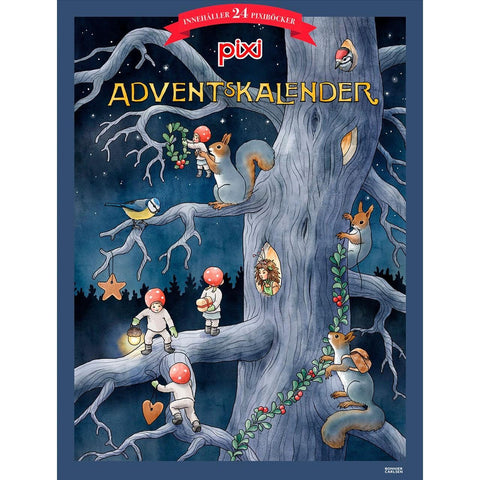
The tradition soon travelled north. Inspired by the German calendars, Sweden introduced its first printed Advent calendar in 1934. Illustrated by artist Aina Stenberg-MasOlle for the Swedish Girl Guides, it featured 24 little windows, one for each day leading up to Christmas Eve. But Sweden developed its own special relationship with the tradition. In 1957, Sveriges Radio introduced its first Advent calendar programme, followed by the first televised version, Titteliture, in 1960. Known today as the Swedish julkalender, the annual television series has become a much-loved part of the country's Christmas celebrations, with a new episode to enjoy every day throughout December.
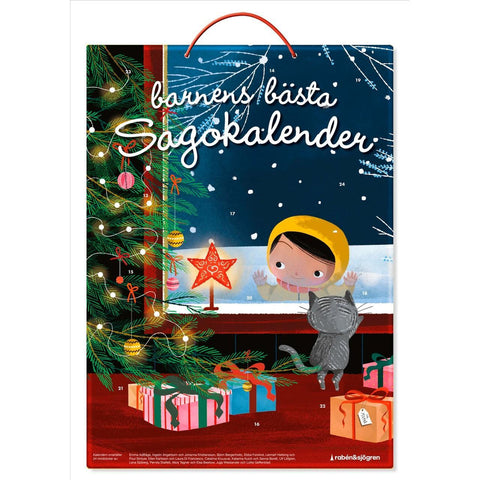
Over the years, the humble paper calendar has evolved into something much more imaginative. While chocolate remains a familiar favourite, Advent calendars have become a way to discover new interests, flavours and experiences. For book lovers, there are stories divided into 24 chapters, offering a little reading moment each morning. For food enthusiasts, cheese and gourmet calendars turn December into a daily tasting experience. And for those who simply enjoy a little surprise, there is no shortage of creative ways to make the countdown special.
Perhaps that's the secret behind their lasting appeal. An Advent calendar isn't really about the size of the gift or what's behind each little door. It's about the anticipation, the small daily rituals and having something to look forward to during the busiest time of the year. A tradition that began with simple chalk marks has certainly come a long way.